Advertising in Dreams: Potential Impacts on the Human Psyche

Counting Sheep or Counting Coors

Though it sounds like science described in a dystopian Orwell novel, the next target for advertisers is consumer’s dreams. Moutinho (2021) notes that companies such as Xbox and Burger King have already teamed up with dream researchers to engineer techniques that will lead consumers to envision their products as they sleep.[1]

One of the most famous experiments to-date was conducted by Coors Brewing Company In 2021. Protocol involved participants watching an advertisement featuring their product, along with waterfalls and mountains, three times before falling asleep; an 8-hour soundscape played while they slept.[2,3] The ultimate goal of the campaign was to compel over 100 million viewers to dream of Coors the night before the Superbowl, and incentives were provided to share the commercial with a friend to receive either a discounted or free twelve-pack.[4] The limited published results of the Coors experiment, which consisted of 18 participants, resulted in five people who dreamt about Coors products.[5] While only 28% of respondents acted as Coors intended, the stage was set to refine the work to garner a higher payout.

Burger King similarly launched a campaign in 2018 when the company teamed up with Florida Sleep & Neuro Diagnostic Services, Inc. Together, they produced the “Nightmare King'' burger for Halloween which included a “ghoulish green” bun and could be accompanied by a frozen black Fanta called, “Scary Black Cherry.”[6] Researchers found this burger increased the incidence of nightmares 3.5 times [7] with one participant reporting dreaming about a person turning into a burger and then a giant snake.[8] 

Research aimed at advertising in dreams is not unique to these two companies. In 2021, a study by the American Marketing Association found that of 400 marketers surveyed, 77% planned to utilize dream-marketing techniques within three years.[9] Robert Stickgold, a Harvard neuroscientist, has warned the public, “They are coming for your dreams, and most people don’t even know they can do it.”[10]

While this may seem to many to be an invasion of privacy, there are currently no regulations addressing advertisements in dreams.[11] Researchers have warned that companies could potentially use the smart speakers that 40 million Americans currently have in their bedrooms to monitor the state of a person’s sleep and then passively advertise to them during dreams without permission.[12] The Federal Trade Commission (FTC), which currently restricts some forms of subliminal advertising, could pass regulations preventing this practice, but so far, they have not done so.[13]

Why do people dream?

Throughout recorded history, humans have often struggled to understand the purpose of dreams and theories have changed throughout history and across cultures. The belief of dreams as methods of prediction was common in ancient times, with the Greeks believing they were portals that could be used to see the future and the Romans believing they were messages sent by the Gods.[14] Similarly, records dating back as early as 1046 BC show oneiromancy (the process of interpreting dreams to foretell future events) was regularly used in ancient China.[15]

By the eighteenth-century, the prominent Western belief went to the extreme of denouncing dreams as a mental derangement which interrupted sleep,[16] but this notion was soon replaced with the Freudian notion that dreams were a method of fulfilling repressed desires.[17] This led to a shift in the post-Freudian era with the idea that dreaming is essential to a person’s well-being.[18]

The past decade has shown significant progress in using technology to understand the science of sleep, but the purpose of dreams is still debated.[19] Modern psychology tends to have two prominent theories of why people dream: one believes that dreams are simply a byproduct of the process of sleeping and the other believes that dreams are revealing hidden information.[20] There is also the thought that dreams are a continuation of waking thoughts and can be used to solve problems in real life.[21] However, scientists are still conducting research and new theories on the purpose of dreams continue to be proposed.

One recent explanation, known as “null theory,” suggests dreams are an evolutionary process that prevent human beings from being physically active while they rest at night.[22] In contrast, Hobson’s theory of protoconsciosness compares the brain in the state of REM sleep to a virtual reality generator using instances of real-world interactions to create possible predictions of time and space.[23] Another proposed theory on the purpose of dreams is the Synaptic Homeostasis Hypothesis (SHH), which postulates that during the day new learning can cause a saturation of synaptic weight, which needs to be downscaled during sleep to avoid learning saturation.[24] Evidence also suggests that it is while dreaming that the brain organizes memories, determining what information to keep, what can be forgotten, and how much detail to remember.[25]

Though dreaming was previously believed to only occur during REM sleep, recent experiments have shown it can actually take place across different sleep stages.[26] This raises another question as to whether dreams may have different purposes during different stages of the sleeping process.[27]

Despite the debate of what dreams are, there is a general notion that breakthroughs to problems can be found in dreams. Both modern scientists and mathematicians have reported struggling to find answers during the day, only to have the answer later revealed in their dreaming state.[28] Clinicians who treat those with terminal illness often view dreaming as an intrinsic part of the process of dying in which patients can gain new insight, create plans to resolve unfinished business, change to a new way of thinking, and address concerns about the legacy they are leaving behind.[29]

In the waking world, recalled dreams can be used as a catalyst for creative projects, shared with others to increase intimacy, or analyzed in a therapy session to address concerns.[30] The cognitive-experiential model of dreamwork is based on the premise that a sleeping mind attempts to integrate experiences from the waking world into preexisting beliefs and memories of past experiences.[31] In this process, a therapist takes the client through “exploration” (a retelling of what was dreamt), “insight” (a method of finding interpretations, connections or meaning in the dream), and “action” (the stage where a person makes a plan based on the insight provided by the dream).[32]

Can the experience of dreams be influenced?

Dream incubation (using a technique to cause a specific dream to occur) dates back thousands of years with the earliest reference found on the Chester Beatty papyri, dating back to Egypt in 1350 BC.[33] The illustration showed a method of evoking the wisdom of the dwarf deity Besa by drawing on the hand and then covering the hand and neck prior to sleep.[34] In ancient Greece, ailing people engaged in a practice of sacred rituals and then slept in oracular temples waiting for the god of medicine, Asclepius, to reveal the cure through a dream.[35] More recently, it is believed that the artist Salvador Dali tried to enhance creativity by falling asleep with a spoon in his hand, so that the noise of it falling would wake him up and allow him to remember when he had just been dreaming.[36]

Researchers are currently testing multiple methods of influencing the dream process. One practice of manipulating dreams to achieve a specific goal is called Targeted Dream Incubation (TDI).[37] It works by pairing a visual image with a sound or scent while a person is awake and emitting the sound or scent while a person is drifting off to sleep to trigger a memory of the item.[38] Another technique is a process called Targeted Memory Reactivation (TMR), which uses unobtrusive tools, such as audible words, to stimulate thoughts within the brain.[39] There have also been studies incorporating the Tetris Effect, the notion that people will begin dreaming about something they are repeatedly exposed to during the day; a phenomenon that was observed when participants who played Tetris for seven hours a day over three days reported seeing visions of playing the game as they fell asleep.[40,41]

Can influencing dreams be beneficial?

Dream manipulation may have positive impacts, and researchers have been actively developing dream incubation techniques to help people achieve their goals in the modern world. Ai et al., (2018) notes that targeted Memory Reactivation (TMR) has previously been used successfully to learn vocabulary, overcome fears, reduce social bias, and improve motor memory.[42] Delbert (2021) adds that Targeted Dream Incubation (TDI) can also be used to minimize addictive behavior, as illustrated by a study that exposed sleeping participants to the smell of rotten eggs and cigarettes, creating an association among the two that resulted in participants smoking 30% less in the following days.[43] In another example, researchers at MIT developed an interactive social robot, named Dormio, that can track a human’s sleep patterns and interact with hypnagogic microdreams with the goal of increasing creativity.[44]

The impact of advertising in dreams

There is a predominant understanding that dreaming is essential for a person to function and that not dreaming at all, or damaged dreaming, can lead to memory loss, inflammation, obesity, Alzheimer’s disease, anxiety, and depression.[45] It has also recently come to light that lucid dreaming (the practice of knowing one is dreaming while asleep), a process that may be beneficial, can be associated with the risk of disruptions in both the quality of sleep and the reality/fantasy boundary.[46] Carr et al., (2020) note this leads to a concern as to whether manipulating dreams, even if it is for a benefit perceived to be positive, could cause damage by interrupting the natural therapeutic process that takes place in a normal state of dreaming.[47]

Since the science of advertising in dreams is still being developed, the consequences are currently unknown; however, those who work in the field of dream research are showing concern. In response to the new application of advertising in dreams, 35 dream and sleep researchers contributed to an open letter warning of the potential consequences.[48] The letter warns that though altering dreams can have beneficial applications, such as boosting a person’s mood or alleviating the symptoms of PTSD, it could also be used to increase addiction (e.g.; Coors association of alcohol with flowing waterfalls).[49]

Some scientists involved with research in this field have also drafted A Dream Engineering Ethic (a living document still in development) which proposes guidelines for any dream research that targets the manipulation of memories, changing the substance of dreams, and altering specific habits.[50] This statement emphasizes the potential benefits of dream engineering (enhanced learning, therapeutic benefits, addiction treatment, enhanced creativity, and nightmare abatement) while simultaneously warning about the perils of, “the infiltration of our most private spaces by those who wish to harm or manipulate us.”[51]

Madhavi et al., (2019) notes that human beings tend to give more value to thoughts perceived to be generated from within, than those that can be attributed to external stimuli.[52] While the potential for a positive impact of dream manipulation exists, dream researchers are concerned that less desirable outcomes, such as influencing a person’s political views or sexual attraction, are possible.[53] The nature of dream manipulation requires that a person be unaware of the stimuli presented, since the person should not be awakened, which poses the problem of the subject having no control over the exposure.[54] With the potential power that suggestibility during sleep can have in a person’s daily decisions, questions arise as to how much of a human’s personality can be altered through this process. Since people often consider preferences for particular food, shows, activities, and hobbies as part of their individual identity, the question is then raised as to whether a company’s manipulation of these choices during the process of dreaming can alter the essential thoughts that make a person who they are.

Contributed by: Theresa Nair

Editor: Jennifer (Ghahari) Smith, Ph.D.

REFERENCES

1 Moutinho S. Are advertisers coming for your dreams?: Scientists warn of efforts to insert commercials into dreams. Science Web site. https://www.science.org/content/article/are-advertisers-coming-your-dreams. Updated 2021. Accessed Oct 24, 2022.

2 Ibid.

3 Orsini J, Rice D. Sweet dreams or nightmares: The future of advertising in dreams. Future of Marketing Institute (FMI) Web site. https://futureofmarketinginstitute.com/sweet-dreams-or-nightmares-the-future-of-advertising-in-dreams/. Updated 2021. Accessed Oct 25, 2022.

4 Stickgold R, Zadra A, Haar A. Advertising in dreams is coming: Now what?:An opinion piece on recent developments in dream incubation technologies and their ethical implications. Dream Engineering|PubPub Web site. https://dxe.pubpub.org/pub/dreamadvertising/release/1. Updated 2021.

5 Moutinho (2021)

6 Handley L. Burger king creates 'nightmare' burger with green bun — and says it will actually give people bad dreams. CNBC Web site. https://www.cnbc.com/2018/10/18/burger-king-creates-nightmare-burger-with-green-bun.html. Updated 2018. Accessed Nov 4, 2022.

7 Reiter A. Burger king says new burger is ‘Clinically proven to induce nightmares’. Food Network Web site. https://www.foodnetwork.com/fn-dish/news/2018/10/burger-king-says-new-burger-is-clinically-proven-to-induce-night. Updated 2018. Accessed Oct 27, 2022.

8 Ibid.

9 Orsini & Rice (2021)

10 Moutinho (2021)

11 Ibid.

12 Stickgold et al. (2021)

13 Gabbatt A. Nightmare scenario: Alarm as advertisers seek to plug into our dreams. The Guardian Web site. http://www.theguardian.com/media/2021/jul/05/advertisers-targeted-dream-incubation. Updated 2021. Accessed Oct 25, 2022.

14 Rani S. Interpretation of dreams: Finding meaning and purpose. Indian journal of health and wellbeing. 2013;4(2):406-.

15 Yu CKC. Imperial dreams and oneiromancy in ancient China—we share similar dream motifs with our ancestors living two millennia ago. Dreaming (New York, NY). Published online 2022. doi:10.1037/drm0000195

16 Dacome L. “To What Purpose Does It Think?”: Dreams, Sick Bodies and Confused Minds in the Age of Reason. History of psychiatry. 2004;15(4):395-416. doi:10.1177/0957154X04041644

17 Rani (2013)

18 Dacome (2004)

19 Hoel E. The overfitted brain: Dreams evolved to assist generalization. Patterns (New York, NY). 2021;2(5):100244-100244. doi:10.1016/j.patter.2021.100244

20 Mahdavi M, Fatehi Rad N, Barbosa B. The Role of Dreams of Ads in Purchase Intention. Dreaming (New York, NY). 2019;29(3):241-252. doi:10.1037/drm0000110

21 Rani (2013)

22 Hoel (2021)

23 Carr M, Haar A, Amores J, et al. Dream engineering: Simulating worlds through sensory stimulation. Consciousness and Cognition. 2020;83. https://www.sciencedirect.com/science/article/pii/S1053810020300325. doi: 10.1016/j.concog.2020.102955.

24 Hoel (2021)

25 Stickgold et al. (2021)

26 Hoel (2021)

27 Ibid.

28 Barrett D. ANSWERS IN YOUR DREAMS. Scientific American mind. 2011;22(5):26-33. doi:10.1038/scientificamericanmind1111-26

29 Wright ST, Grant PC, Depner RM, Donnelly JP, Kerr CW. Meaning-centered dream work with hospice patients: A pilot study. Palliative & supportive care. 2015;13(5):1193-1211. doi:10.1017/S1478951514001072

30 Olsen MR, Schredl M, Carlsson I. Sharing Dreams: Frequency, Motivations, and Relationship Intimacy. Dreaming (New York, NY). 2013;23(4):245-255. doi:10.1037/a0033392

31 Wright et al. (2015)

32 Ibid.

33 Carr et al. (2020)

34 Ibid.

35 Dream - psychoanalytic interpretations | britannica. https://www.britannica.com/topic/dream-sleep-experience/Dreams-as-a-source-of-divination. Accessed Nov 2, 2022.

36 Gabbatt (2021)

37 Crockett Z. Are advertisers going to infiltrate our dreams? The Hustle Web site. https://thehustle.co/are-advertisers-going-to-infiltrate-our-dreams/. Updated 2022. Accessed Oct 25, 2022.

38 Ibid.

39 Ai S, Yin Y, Chen Y, et al. Promoting subjective preferences in simple economic choices during nap. eLife. 2018;7:e40583. https://doi.org/10.7554/eLife.40583. Accessed Oct 29, 2022. doi: 10.7554/eLife.40583.

40 Haar Horowitz A, Stickgold R, Zadra A. Dreams are a precious resource. don’t let advertisers hack them | aeon essays. Aeon Web site. https://aeon.co/essays/dreams-are-a-precious-resource-dont-let-advertisers-hack-them. Updated 2021. Accessed Oct 29, 2022.

41 Stickgold R, Malia A, Maguire D, Roddenberry D, O’Connor M. Replaying the Game: Hypnagogic Images in Normals and Amnesics. Science (American Association for the Advancement of Science). 2000;290(5490):350-353. doi:10.1126/science.290.5490.350

42 Ai et al. (2018)

43 Delbert C. Advertisers are hijacking your dreams, scientists say. Popular Mechanics Web site. https://www.popularmechanics.com/technology/a36719140/sleep-ads-dream-implantation/. Updated 2021. Accessed Oct 25, 2022.

44 Haar A. Project overview ‹ dormio: Interfacing with dreams. MIT Media Lab Web site. https://www.media.mit.edu/projects/sleep-creativity/overview/. Accessed Oct 31, 2022.

45 Erickson A. Dream deprivation is just as unhealthy as sleep Deprivation—Here’s why. . 2021. https://www.thehealthy.com/sleep/dream-sleep-deprivation/. Accessed Oct 31, 2022.

46 Soffer-Dudek N. Are Lucid Dreams Good for Us? Are We Asking the Right Question? A Call for Caution in Lucid Dream Research. Frontiers in neuroscience. 2019;13:1423-1423. doi:10.3389/fnins.2019.01423

47 Carr et al. (2020)

48 Gabbatt (2021)

49 Stickgold et al. (2021)

50 Haar A, Maes P, Carr M. A dream engineering ethic. Infinite Zero Web site. https://00.pubpub.org/pub/83843x5m/release/1. Updated 2020. Accessed Oct 31, 2022.

51 Ibid.

52 Madhavi et al. (2019)

53 Carr et al. (2020)

54 Ibid.

Mindfulness: Armor Against Anxiety

Anxiety Snapshot

Approximately 25% of adults in the United States will experience an anxiety disorder in their lifetime.[1] Feelings of anxiety and worry can stem from regular daily events such as taking an important exam, giving a speech, or going on a first date. Normal occurrences as such will not always point to the presence of an anxiety disorder. However, when feelings of worry and negative thought patterns are chronic and uncontrollable, they can indicate that an anxiety disorder is present.[2] Experiences of anxiety can vary from person to person, and different types of anxiety disorders can provoke various uncomfortable feelings or thought patterns. BetterHelp (2022) lists the ten most common “hallmarks” of an anxiety disorder whether it be generalized anxiety disorder (GAD), panic disorder or social anxiety disorder (i.e., social phobia):[3]

  1. Excessive Worry - Experiencing a sense of dread that lasts six months or longer about regular topics such as school, work, social life, relationships, heath, and finances.

  2. Difficulty Sleeping - Lying awake at night and not being able to fall asleep due to anxious or fearful thoughts about a possible upcoming event.

  3. Fatigue - Feeling exhaustion throughout the day or becoming easily tired even if one gets an adequate amount of sleep.

  4. Trouble Concentrating - Procrastinating either knowingly or unknowingly and struggling to complete daily tasks at school or work due to blanking out.

  5. Irritability and Tension - Feeling on edge regularly or becoming easily angered when stressed out. Tension can also present itself physically in tense muscles or aches and pains.

  6. Increased Heart Rate - Experiencing rapid heart rate or irregular palpitations can occur during panic attacks and episodes of social anxiety. 

  7. Sweating and Hot Flashes - Feeling one’s body temperature rise can stem from increased heart rate and higher blood pressure.

  8. Trembling and Shaking - Feelings of fear and anxiety can induce limb shaking, especially in the hands. A state of heightened adrenaline and a fight-or-flight response can cause shaking as well.

  9. Chest Pains and Shortness of Breath - Limiting the amount of oxygen in the lungs can cause chest pains, particularly during panic attacks. One may feel a sensation of tightness in the chest.

  10. Feelings of Terror or Impending Doom - Feeling like something negative is going to occur can happen suddenly and come from an unknown source. Such feelings are likely to be disproportional to the actual events causing anxiety and panic.

Mindfulness Meditation as a Modern Practice

The field of positive psychological research has a common goal of focusing on what can go right in life, also known as positive affect. Positive affect can include enjoyment, personal connection, and states of pleasant feelings.[4] Deliberate trainings of positive emotions are referred to as Positive Psychology Interventions (PPIs); mindfulness meditation (MM) is one of the most effective known PPIs (Morgan, 2021). MM recently made its way into Western culture during the last century and can be defined as, “The awareness that emerges through paying attention on purpose, in the present moment, and nonjudgmentally to the unfolding of experience moment by moment”.[5] As a result of practicing MM, emotions can be regulated, and physiological and mental changes can occur, enhancing one’s reality.[6] 

Mindfulness meditation manifests in two forms: state mindfulness and trait mindfulness. State mindfulness is the feeling of being present in the moment after practicing MM, whereas trait mindfulness is a practice one carries throughout their life, regardless of knowing about mindfulness or not.[7] There are five approaches one can take when practicing MM:[8]

  • Body Scan: Focusing on one’s bodily sensations; typically starting at the top of the head down to the toes.

  • Focused Attention: Holding concentration on one object or a specific feeling.

  • Open Monitoring: Allowing your mind to wander and focusing on the sensations it naturally is pulled towards while remaining present.

  • Mindful Movement: Utilizing practices such as yoga and tai chi to focus on one’s bodily sensations.

  • Loving Kindness: Visualizing oneself and others while cultivating feelings of gratitude, forgiveness, and love. First turning inward to oneself and progressing outward toward a cherished friend, a neutral person, a difficult person, and eventually everyone elsewhere.

Loving-Kindness Meditation and Loving-Kindness Coloring

A study conducted in the United Kingdom by Mantzios et al. (2022) found that loving-kindness meditation (LKM) and loving-kindness coloring (LKC) were both successful in decreasing feelings of anxiety.[9] Previously mentioned in the last section, LKM is one of the primary and effective practices that show up in mindfulness meditation. LKC is an alternative practice where one redirects attention to a colorful design such as a mandala and actively observes one’s thought patterns to understand which thoughts are provoking certain feelings.[10] Ultimately, both LKM and LKC showed to partially increase state mindfulness, self-compassion, and decrease anxiety.[11] Having the choice between different meditation practices allows individuals to find what works best for them. Some limitations to the study include: the results were only minimally statistically significant and only included under-graduate students as participants. In the case of such limitations, future research should replicate the same study with more of a general population to improve the external validity of the information.[12]

Coping with Anxious Thought Patterns

Additional mindfulness approaches for coping with anxious and fearful thoughts include: thinking realistically, facing one’s fears, and getting regular exercise.[13]

Think Realistically

A real-life example of coping with anxiety using realistic thinking is when one is experiencing health anxiety. For instance, if an individual feels tired most of the time and wonders, “What if I have cancer and don’t know it?” Catastrophic patterns of thought can cause one to go down roads of fearful thinking that are counterproductive to becoming healthier. 

First, one must identify the distorted thoughts that may be occurring on a regular basis. One way to identify a distorted thought is to change a “what-if?” question to an affirmative statement. For example, change “What if my low energy and fatigue are signs of cancer?” to “Because I have low energy and fatigue, I have cancer.” Then, question the validity of the affirmative statement. For instance, what are the actual odds that low energy and fatigue could be indicative of cancer and not something more simple and likely such as a lack of sleep, being overworked, overstressed or possibly dehydrated? Additionally, considering the results of an unrealistic outcome can bring about feelings of peace: “If the worst did happen, is it really true that I’d not find any way to cope?” Once you have assessed the validity of the statements, replace them with more realistic ones. Since there are several possible explanations for fatigue, the “worst-case” odds of having cancer in this scenario are very low.[14]

Face Your Fears

One of the most effective approaches to overcoming one’s fears is to face them head-on.[15] For individuals that experience phobia-related anxiety, facing fears can seem extremely off-putting. However, exposure should be a gradual, step-by-step process instead of immediate and sudden immersion into a fearful situation. This process, known as exposure therapy, usually involves a comprehensive plan to face one’s phobias when feasible.[16] Phobias are likely to induce avoidance behaviors, which can interfere with normal routines such as work or relationships and cause significant distress. Common phobias include: public speaking, riding in elevators, fear of flying, and fear of heights.[17] Sensitization (i.e., the process in which one becomes overly sensitive to particular stimulus) is a prime factor in the development of phobias. For example, a phobia of giving speeches in public can stem from past negative experiences with public speaking. These prior negative experiences are likely to lead to feelings of physical anxiety (e.g., sweating and shaking) as well as psychological symptoms (e.g., worry and low self-esteem). Real-life exposure allows one to unlearn the connection formed between a situation and an anxious response by re-associating feelings of calmness and confidence with that certain situation.[18] A licensed mental health professional can help direct one how to safely be exposed to stimuli they are afraid of. 

Exercise Your Fears Away 

Bourne and Garano (2016) note that getting regular exercise is one of the most powerful and effective methods to combat feelings of anxiety. The body’s natural fight-or-flight response is activated when faced with a perceived threat bringing along an influx of adrenaline. Exercise acts as a natural outlet for an overwhelming amount of adrenaline, diminishing the tendency to react with an anxious response to one’s fears.[19] Regular exercise has a direct effect on the following various physiological factors associated with anxiety:[20]

  • Reduction of Muscle Tension

  • Rapid Metabolism

  • Discharge of Frustration

  • Enhanced Oxygen of the Blood and Brain

  • Increased Levels of Serotonin

In addition to physiological factors, there are also several psychological benefits that accompany increased amounts of regular exercise:[21]

  • Increased Self-Esteem

  • Reduced Insomnia

  • Reduced Dependence on Alcohol and Drugs

  • Improved Concentration and Memory

  • Greater Sense of Control Over Anxiety

If feelings of anxiety are chronic and impact one’s everyday life, steps should be taken to reduce such negative experiences by contacting a licensed mental health professional for further guidance.[22]

Contributed by: Tori Steffen

Editor: Jennifer (Ghahari) Smith, Ph.D.

REFERENCES

1 Bourne, E. J, & Garano, L. (2016). Coping with Anxiety: Ten Simple Ways to Relieve Anxiety, Fear, and Worry. New Harbinger Publications. https://ezproxy.snhu.edu/login?url=https://search.ebscohost.com/login.aspx?direct=true&db=nlebk&AN=1197205&site=eds-live&scope=site

2 BetterHelp. (n.d.) How to tell if you have anxiety: 10 signs and symptoms. (accessed 10-20-2022) https://www.betterhelp.com/advice/anxiety/how-to-tell-if-you-have-anxiety-10-signs-and-symptoms/

3 BetterHelp

4 Morgan, W. J., & Katz, J. (2021). Mindfulness meditation and foreign language classroom anxiety: Findings from a randomized control trial. Foreign Language Annals, 54(2), 389–409. https://doi-org.ezproxy.snhu.edu/10.1111/flan.12525

5 Kabat‐Zinn, J. (2003). Mindfulness‐based interventions in context: Past, present, and future. Clinical Psychology: Science and Practice, 10(2), 144–156. 

https://ezproxy.snhu.edu/login?url=https://search.ebscohost.com/login.aspx?direct=true&db=edswah&AN=000182986300002&site=eds-live&scope=site

6 Morgan (2021)

7 Ibid.

8 Roeser, R. W. (2016). Mindfulness in students' motivation and learning in school. In K. Wentzel & D. Miele (Eds.), Handbook of motivation in school (pp. 385–487). Taylor and Francis. https://www.researchgate.net/publication/301813078_Mindfulness_in_students'_motivation_and_learning_in_school

9 Mantzios, M., Tariq, A., Altaf, M., & Giannou, K. (2022). Loving-kindness colouring and loving-kindness meditation: Exploring the effectiveness of non-meditative and meditative practices on state mindfulness and anxiety. Journal of Creativity in Mental Health, 17(3), 305–312. https://doi-org.ezproxy.snhu.edu/10.1080/15401383.2021.1884159

10 Mantzios et al. (2022)

11 Ibid.

12 Ibid.

13 Bourne & Garano (2016)

14 Ibid.

15 Ibid.

16 Ibid.

17 Ibid.

18 Ibid.

19 Ibid.

20 Ibid.

21 Ibid.

22 Mantzios et al. (2022)

Disasters and Mental Health: The Process of Recovery

An Overwhelming Sense of Loss

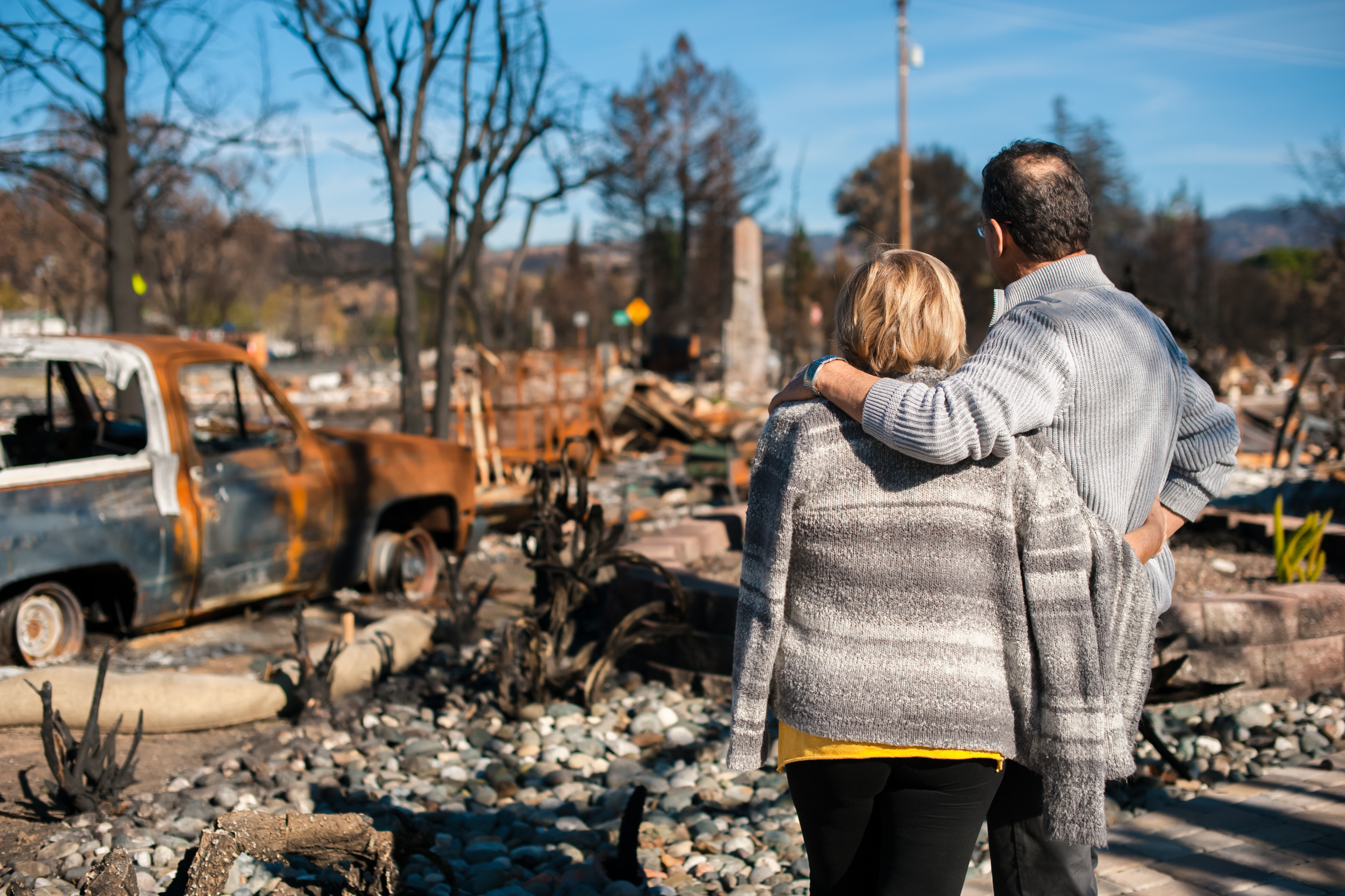
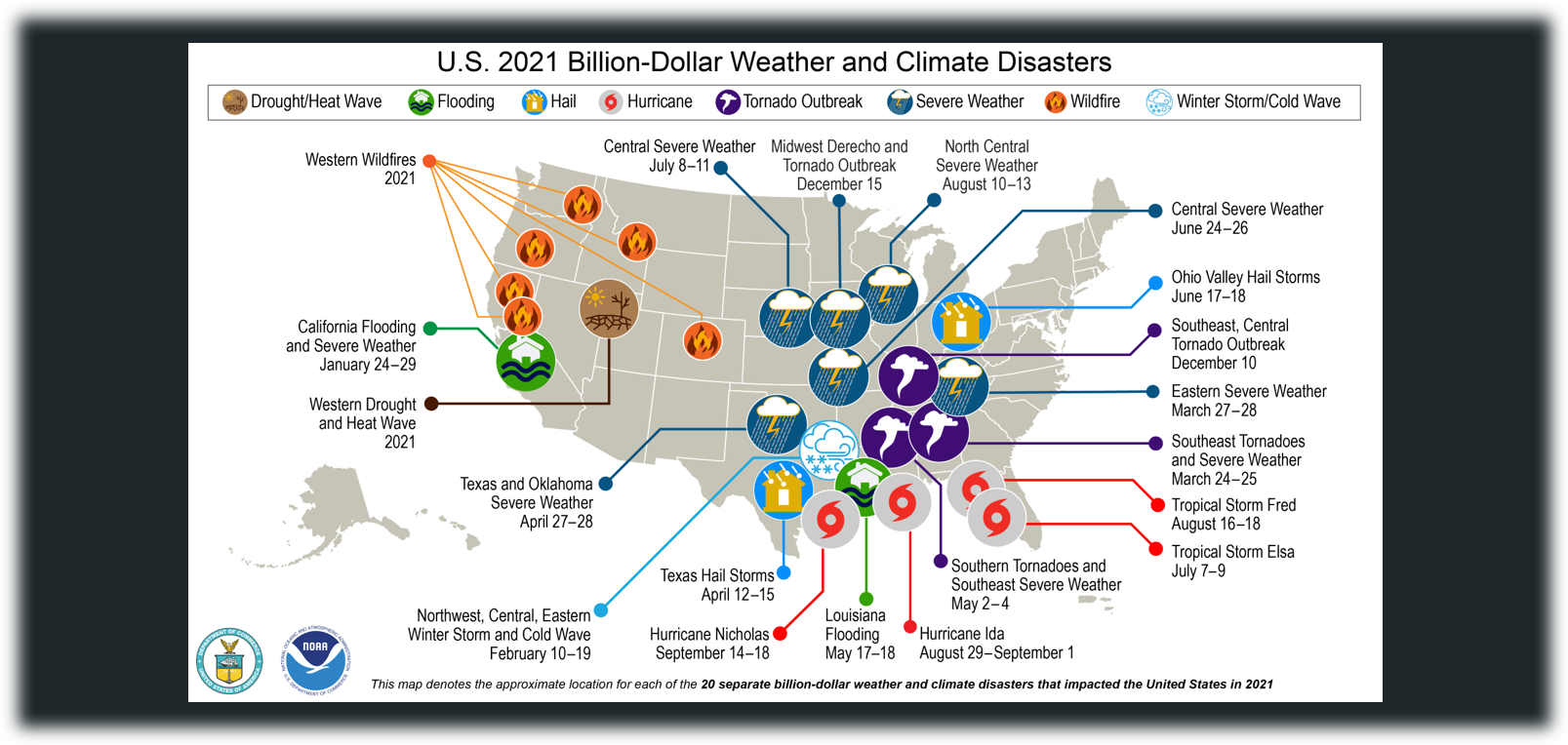
As families in Central Florida struggle to recover from Hurricane Ian, the Bolt Creek Fire continues burning in Washington State.[1,2] The incidence of natural disasters is on the rise, with the years 2020 and 2021 ranking as the two years with the highest recorded number of disasters in the United States.[3] Devastating disasters in 2021 included 20 billion-dollar events ranging from a derecho (a widespread, damaging windstorm that moves across vast distances) in the Midwest, an extreme cold wave event in Texas, multiple wildfires across the west coast, and four tropical cyclones in the Southeast.[4]

In 2021, the United States experienced record-smashing 20 weather or climate disasters that each resulted in at least $1 billion in damages. NOAA map by NCEI.

Image source: Smith (2022)[5]

All regions of the country are affected by some form of natural disaster and exposure to these events take a toll on mental health. In the immediate aftermath of a disaster, survivors are often left in a state of shock while struggling with anxiety over safety and recovery.[6,7] Even those who are not directly impacted by a disaster may still experience trauma due to the potential threat of their area being affected, evacuating to avoid the danger, having loved ones in harm’s way, or watching the event unfold on the news. While every person reacts to these experiences differently, it is normal for disasters to have some degree of impact on mental health.[8] Understanding these reactions, and when to seek help from others, is an important step in the process of recovery.

Common Reactions to Disasters

  • Post-traumatic stress disorder (PTSD) – Post-traumatic Stress Disorder, more commonly referred to as PTSD, is the most commonly studied psychopathology following a disaster.[9] After Hurricane Maria, a sample study of survivors who relocated to Florida from Puerto Rico found that two-thirds showed significant symptoms of PTSD.[10] Those suffering from PTSD may experience flashbacks of the event, detachment from others, reactions to loud sounds, avoiding reminders of the disaster, and restless sleep from nightmares.[11] These symptoms may naturally decline over time, but a person experiencing ongoing symptoms may benefit by seeking treatment from professionals who can provide support through Cognitive Behavior Therapy (CBT) and prescribe medication if needed.[12]

  • Depression – Depression is another common reaction to a disaster.[13] Symptoms of major depressive disorder, or clinical depression, may include: feeling sad, empty or hopeless; loss of interest in enjoyable activities; sleeping too much or too little; slowed thinking or speaking; feeling guilty or worthless; unexplained physical pain; increases or decreases in appetite; emotional outbursts; and thoughts of suicide.[14] A sense of loss is normal after a disaster, and these feelings may fade with time, but if symptoms last for several days, or are impeding the recovery process, it may be time to speak to a mental health professional.[15] If a person is depressed and contemplating suicide, they should seek immediate help by contacting the national suicide hotline at 988, calling 911, or proceeding to the nearest emergency room.[16]

  • Anxiety – The immediate time following a disaster can be filled with fear and uncertainty of the future.[17] Disasters can activate the “flight or fight” response, which sends cortisol and adrenaline rushing through the body to help a person react more quickly.[18,19] This is a normal response to a threatening situation, and it may be difficult to differentiate between a normal rush of adrenaline following an event and the development of anxiety.[20] While occasional experiences of anxiety are considered normal throughout life (and especially following a disaster) if the symptoms persist for months, it could be a sign that a person is developing Generalized Anxiety Disorder (GAD), or another phobia-related disorder.[21] If a person begins experiencing persistent feelings of dread, worrying uncontrollably, constantly being “on-edge,” headaches, stomach aches, difficulty sleeping, or constant thoughts of a specific fear, it may be time to seek professional guidance to determine if therapy and/or medication would be beneficial.[22]

  • Insomnia – Insomnia is a sleep disorder that can interfere with a person’s ability to either fall asleep or stay asleep.[23] Difficulty sleeping is common after disasters, not only because it can manifest by itself, but also because it is believed to be associated with the development of other disorders including PTSD and depression.[24] A 2019 study on survivors of disasters in Korea found that those who were widowed, divorced, elderly, separated, and in pain were the most likely to experience less than 5 hours of sleep per night in the following years.[25] If a person finds themselves experiencing insomnia, there are natural remedies that can be tried including relaxation training, stimulus control therapy, sleep environment improvement, sleep restriction, sleep hygiene, biofeedback, and remaining passively awake.[26] If these techniques do not work, it may be necessary to speak with a professional to see if medication is needed or if the insomnia may be caused by a more serious condition.

  • Mood Swings – Changes in emotions are common after a disaster and may include numbness, sadness, anxiety, irritability, withdrawal, grief, helplessness, and anger.[27] Survivors often experience uncontrollable crying or bursts of anger.[28] It is important to be patient when working through grief as feelings can fluctuate, so it is normal to feel empowered one day and overwhelmed the next.[29] To help process feelings, talking to family members or loved ones may be helpful, but professional help should be sought if the feelings become overwhelming or can only be controlled with drugs or alcohol.[30]

  • Solastalgia – This phenomenon describes the severing of a person from their connection to their homeland and it can arise when the landscape is changed by droughts, wildfires, or pollutants.[31] Solastalgia is a relatively new term, first created by Glen Albrecht and introduced at the Ecohealth Conference in 2003, to help describe the relationship between humans and the rapidly changing environment.[32] “The feeling of homesickness whilst still at home,” describes the feeling of longing for a home that no longer exists.[33] Though research on solastalgia is relatively new, if a person is struggling to adapt to environmental changes and is unsure of how to move forward, cognitive behavioral therapy, interpersonal therapy, psychodynamic therapy, antidepressants, and anti-anxiety medication may be beneficial when working with a mental health provider.[34]

  • Ecological Grief - Ecological grief refers to the mourning that occurs when a person’s environment and lifestyles are affected by climate change.[35] While this grief may affect anyone, it is believed to disproportionately affect those who live in traditional indigenous communities and others who work with the land as part of their culture and survival.[36] Ecological grief can be associated with physical losses, but also with a loss of knowledge since teachings passed down through families for generations may no longer be applicable to the changing environment.[37] This grief can manifest as mood disorders, violence, psychiatric hospitalizations, substance abuse, emotional reactions, suicide ideation, and ecological anxiety.[38] When processing ecological grief, it is recommended to connect with others who are experiencing similar grief, look for productive ways to move forward, and find a licensed mental health provider who is trained to address climate-related concerns.[39]

  • Eco-anxiety – The American Psychiatric Association describes eco-anxiety as, “a chronic fear of environmental doom.”[40] It differs from ecological grief in that it is focused on the forward-thinking practice of worrying about future environmental changes as opposed to mourning an already lost way of life.[41] Negative reactions associated with eco-anxiety include feelings of helplessness, panic, guilt, weakness, sadness, numbness, fear and anger; though at times, eco-anxiety can also have the positive effect of motivation to act.[42] While it is normal to worry about future environmental changes when recovering from a disaster, if the anxiety is severe and cannot be successfully managed at home, it may be helpful to speak with a mental health care professional or family doctor.[43]

Self-Care

While people may not be able to directly stop the natural disasters occurring in their area, they can take steps to protect their mental health. The CDC recommends getting enough sleep, eating well, exercising and avoiding harmful substances such as alcohol and tobacco.[44] After a disaster people will often feel physically and mentally drained, experience changes in sleep patterns or appetite, argue with friends and family, feel lonely, and get frustrated easily, but many of these symptoms should diminish over time.[45] The American Red Cross states that human beings are designed to be naturally resilient, so many people can find successful ways of coping.[46] Each person reacts uniquely in response to disasters, and symptoms may manifest differently,[47] but the following coping techniques have been found to be beneficial when recovering from disasters:

  • Talk it Out - When families and individuals are displaced, it can affect their overall sense of community.[48] Finding someone that feels safe to talk to can help process feelings about a disaster.[49] Spending time helping others in the community (such as neighbors, family, or friends) can help to build trust and make people realize that they are not alone in their experiences.[50] It may help to look for support from others who have survived trauma in the form of a support group conducted by trained professionals.[51]

  • Stay Informed - When people feel they are missing information, they may become stressed or nervous, so schedule a time to regularly get updated information from reliable sources.[52] Many organizations provide resources to deal with the effects of disasters (e.g., FEMA, The Salvation Army, and Feeding America), so make time to become educated about the resources available and what types of services are offered.[53]

  • Relax - Engage in nurturing, relaxing activities that are enjoyable.[54] Relaxation exercises can include yoga, breathing exercises, listening to music, walks in nature, meditation, swimming or stretching.[55]

  • Create - Creative activities can help to express feelings after a disaster.[56] These can include painting, playing music, or baking. Writing may also help to process a sense of loss or concerns about future safety.[57]

  • Volunteer - Volunteering in a community is a way for a person to give back and feel they are making a positive contribution by helping others.[58] It can relieve stress by causing a person to stop thinking about their own problems for a while, put a new perspective on the situation, feel less alone, lift one’s mood, and feel better about themselves.[59]

  • Exercise - Use physical exercise as a means of reducing stress.[60] Engaging in exercise, such as running, swimming, or weightlifting, can help to relieve physical tension, improve self-esteem, and regain a sense of self-control.[61]

  • Eat, Hydrate & Rest - Make sure to not only eat a balanced diet, but also drink enough water to stay hydrated.[62] Get adequate rest to take a break both physically and mentally.[63] If a person finds themselves waking up at night, and unable to fall back asleep, it may be beneficial to try briefly writing about what is on their mind to process the thoughts.[64]

  • Stick to a Schedule - Creating a daily schedule or routine, such as eating healthy meals and sleeping at regular times, is a way to regain a sense of normalcy.[65] Remember to schedule breaks and do things that are enjoyable.[66] Avoid constant or frequent exposure to hearing about or seeing images of the crisis because it may increase anxiety and take away attempts at returning to a sense of normalcy.[67]

  • Set Goals - Setting short-term goals can help structure time and allow a person to focus on the present instead of getting lost in thought.[68] Develop a recovery plan and stick to it; focus on making progress by prioritizing which problems to tackle and breaking them down into small steps that are easy to accomplish.[69]

  • Focus on the Positive - Take time to be grateful for anything that is positive in the situation instead of dwelling on the dread of what might come next.[70] Work on reframing thoughts from the negative to the positive; instead of thinking, “I can’t do this,” think, “What steps can I take to do this?”[71]

  • Grieve - Grief can occur due to loss of family, friends, co-workers, job, loved ones, home, pets, possessions, or life quality.[72] Creating a ritual or ceremony to honor what was lost can help to express grief, affirm relationships/values, and move on with life.[73]


Behaviors to Avoid

Avoid negative behaviors that may give an immediate relief as opposed to dealing with the problem.[74] These behaviors include substance abuse, overworking, self-isolation, and overeating.[75] When recovering from a disaster, everyone in the area will be experiencing significant stress, so it’s important to be patient with not only yourself, but also others.[76] Anger is a normal reaction when recovering from disasters, but to preserve healthy relationships, it may be necessary to take a step back and calm down in order to think clearly.[77]

When to Seek Professional Support

The American Red Cross recommends getting professional support if any of these symptoms are experienced for two weeks or longer:[78]

  • Bursts of anger

  • Feeling hopeless

  • Crying spells

  • Loss of interest in things

  • Difficulty eating or sleeping

  • Fatigue

  • Headaches

  • Stomach aches

  • Avoiding friends/family

  • Feelings of guilt 

If stress from an event is impacting daily life, reach out to a doctor, counselor, therapist, psychiatrist, or clergy member for support.[79] If symptoms such as anger, insomnia, irritability, or anxiety persist, speak with a doctor or mental health provider to inquire if you should be prescribed medication, even for a short duration, following a natural disaster.[80] If symptoms do not improve, or seem to be getting worse, contact a licensed mental health professional for further guidance.[81]

Contributed by: Theresa Nair

Editor: Jennifer (Ghahari) Smith, Ph.D.

REFERENCES

1 Tolan C, Devine C. Lack of flood insurance in hard-hit central florida leaves families struggling after hurricane ian. CNN Web site. https://www.cnn.com/2022/10/09/us/hurricane-ian-central-florida-flood-insurance-invs/index.html. Updated 2022. Accessed Oct 10, 2022.

2 Staff ST. Wildfire evacuations, stevens pass closure remain amid bolt creek fire. The Seattle Times Web site. https://www.seattletimes.com/seattle-news/wildfire-evacuations-stevens-pass-closure-remain-amid-bolt-creek-fire/. Updated 2022. Accessed Oct 10, 2022.

3 Smith A. 2021 U.S. billion-dollar weather and climate disasters in historical context | NOAA climate.gov. Climate.gov Web site. http://www.climate.gov/news-features/blogs/beyond-data/2021-us-billion-dollar-weather-and-climate-disasters-historical. Updated 2022. Accessed Oct 14, 2022.

4 Ibid.

5 Ibid.

6 Makwana N. Disaster and its impact on mental health: A narrative review. J Family Med Prim Care. 2019;8(10):30903095.  https://www.ncbi.nlm.nih.gov/pmc/articles/PMC6857396/. Accessed Oct 14, 2022. doi: 10.4103/jfmpc.jfmpc_893_19.

7 Disaster behavioral health. U.S. Department of Health & Human Services Web site. https://www.phe.gov/Preparedness/planning/abc/Pages/disaster-behavioral.aspx. Updated 2020. Accessed Oct 14, 2022.

8 Felix ED, Afifi W. THE ROLE OF SOCIAL SUPPORT ON MENTAL HEALTH AFTER MULTIPLE WILDFIRE DISASTERS: Social Support and Mental Health After Wildfires. Journal of community psychology. 2015;43(2):156-170. doi:10.1002/jcop.21671

9 Lee J, Kim S, Kim J. The impact of community disaster trauma: A focus on emerging research of PTSD and other mental health outcomes. Chonnam Med J. 2020;56(2):99-107. https://www.ncbi.nlm.nih.gov/pmc/articles/PMC7250671/. Accessed Oct 14, 2022. doi: 10.4068/cmj.2020.56.2.99.

10 Espinel Z, Galea S, Kossin JP, Caban-Aleman C, Shultz JM. Climate-driven Atlantic hurricanes pose rising threats for psychopathology. The Lancet Psychiatry. 2019;6(9):721-723. doi:10.1016/S2215-0366(19)30277-9

11 Psychiatry.org - what is posttraumatic stress disorder (PTSD)?  https://www.psychiatry.org:443/patients-families/ptsd/what-is-ptsd. Updated 2020. Accessed Oct 14, 2022.

12 Ibid.

13 Stuart M. Understanding depression following a disaster. The University of Arizona Cooperative Extension Website.  https://extension.arizona.edu/sites/extension.arizona.edu/files/pubs/az1341h.pdf. Accessed Oct 14, 2022.

14 Depression (major depressive disorder) - symptoms and causes. Mayo Clinic Web site. https://www.mayoclinic.org/diseases-conditions/depression/symptoms-causes/syc-20356007. Accessed Oct 14, 2022.

15 Coping with a disaster or traumatic event. Center for Disease Control (CDC) Web site. https://emergency.cdc.gov/coping/selfcare.asp. Updated 2019. Accessed Oct 17, 2022.

16 Mayo Clinic Web (2022)

17 Coping with disaster. Mental Health America Website.  https://www.mhanational.org/coping-disaster. Accessed Oct 14, 2022.

18 Sheikh K. Natural disasters take a toll on mental health. Brain Facts Web site. https://www.brainfacts.org:443/diseases-and-disorders/mental-health/2018/natural-disasters-take-a-toll-on-mental-health-062818. Updated 2018. Accessed Oct 14, 2022.

19 Learn the difference between high anxiety and an adrenaline rush | first responder wellness. . 2022. https://www.firstresponder-wellness.com/learn-the-difference-between-high-anxiety-and-an-adrenaline-rush/. Accessed Oct 14, 2022.

20 Ibid.

21 Anxiety disorders. National Institute of Mental Health (NIMH) Website.  https://www.nimh.nih.gov/health/topics/anxiety-disorders. Accessed Oct 15, 2022.

22 Ibid.

23 Ghahari J. Insomnia. Seattle Anxiety Specialists, PLLC: Psychiatry & Psychology Web site. https://seattleanxiety.com/insomnia. Accessed Oct 15, 2022.

24 Disturbed sleep linked to mental health problems in natural disaster survivors: Study is the first to describe sleep health consequences of the 2010 earthquake in haiti. ScienceDaily Website.  https://www.sciencedaily.com/releases/2019/06/190607140446.htm. Updated 2019. Accessed Oct 15, 2022.

25 Kim Y, Lee H. Sleep problems among disaster victims: A long-term survey on the life changes of disaster victims in korea. Int J Environ Res Public Health. 2021;18(6).  https://www.ncbi.nlm.nih.gov/pmc/articles/PMC8004935/. Accessed Oct 15, 2022. doi: 10.3390/ijerph18063294.

26 Ghahari (2022)

27 Stress reactions and self-care strategies after a traumatic event. Cigna Website.  https://www.cigna.com/knowledge-center/stress-after-disaster. Accessed Oct 10, 2022.

28 Taking care of your emotional health after a disaster. Red Cross Website.  https://www.redcross.org/content/dam/redcross/atg/PDF_s/Preparedness___Disaster_Recovery/General_Preparedness___Recovery/Emotional/Recovering_Emotionally_-_Large_Print.pdf. Accessed Oct 10, 2022.

29 Cigna (2022)

30 Emotional impact of disasters. txready.org Web site. https://texasready.gov/be-informed/mental-health/emotional-impact-of-disasters.html. Accessed Oct 15, 2022.

31 Kenyon G. Have you ever felt ‘solastalgia’?  https://www.bbc.com/future/article/20151030-have-you-ever-felt-solastalgia. Updated 2015. Accessed Oct 15, 2022.

32 Albrecht G, Sartore G, Connor L, et al. Solastalgia: The distress caused by environmental change. AUSTRALAS PSYCHIATRY. 2007;15:S95-S98. doi: 10.1080/10398560701701288.

33 To P, Eboreime E, Agyapong VIO. The Impact of Wildfires on Mental Health: A Scoping Review. Behavioral sciences. 2021;11(9):126-. doi:10.3390/bs11090126

34 Vanbuskirk S. What is solastalgia? Verywell Mind Website.  https://www.verywellmind.com/solastalgia-definition-symptoms-traits-causes-treatment-5089413. Updated 2021. Accessed Oct 15, 2022.

35 To et al. (2021)

36 Heid M. Ecological grief: What it is, what causes it, and how to cope. EverydayHealth.com Web site. https://www.everydayhealth.com/emotional-health/whats-the-difference-between-eco-anxiety-and-ecological-grief/. Updated 2022. Accessed Oct 15, 2022.

37 Ibid.

38 Aylward B, Cooper M, Cunsolo A. Generation climate change: Growing up with ecological grief and anxiety. Psychiatric News. 2021.  https://psychnews.psychiatryonline.org/doi/10.1176/appi.pn.2021.6.20. Accessed Oct 15, 2022. doi: 10.1176/appi.pn.2021.6.20.

39 Heid (2022)

40 Huizen J. Eco-anxiety: What it is and how to manage it.  https://www.medicalnewstoday.com/articles/327354. Updated 2019. Accessed Oct 15, 2022.

41 Heid (2022)

42 Coffey et al. (2021)

43 Huizen (2019)

44 CDC (2019)

45 Red Cross (2022)

46 Ibid.

47 Kim & Lee (2021)

48 Felix & Afifi (2015)

49 Recovering emotionally from disaster. American Psychological Association Web site. https://www.apa.org/topics/disasters-response/recovering. Updated 2013. Accessed Oct 12, 2022.

50 Self-care after disasters. VA.gov | veterans affairs.  https://www.ptsd.va.gov/gethelp/disaster_selfcare.asp. Accessed Oct 10, 2022.

51 American Psychological Association (2013)

52 CDC (2019)

53 Morganstein J. Psychiatry.org - coping after disaster. American Psychiatric Association Web site. https://psychiatry.org:443/patients-families/coping-after-disaster-trauma. Updated 2019. Accessed Oct 12, 2022.

54 Cigna (2022)

55 Self care and self-help following disasters - national center for post traumatic stress disorder orange county, california. Self Care And Self-Help Following Disasters - National Center for Post Traumatic Stress Disorder Orange County, California Web site. https://orange.networkofcare.org/mh/library/article.aspx?id=3113. Accessed Oct 9, 2022.

56 American Psychological Association (2013)

57 Cigna (2022)

58 Orange County (2022)

59 Veterans Affairs (2022)

60 Cigna (2022)

61 Orange County (2022)

62 Red Cross (2022)

63 Ibid.

64 Coping tips for traumatic events and disasters. Substance Abuse and Mental Health Services Administration Web site. https://www.samhsa.gov/find-help/disaster-distress-helpline/coping-tips. Updated 2022. Accessed Oct 17, 2022.

65 Cigna (2022)

66 CDC (2019)

67 Substance Abuse and Mental Health Services Administration (2022)

68 Cigna (2022)

69 Veterans Affairs (2022)

70 Cigna (2022)

71 Veterans Affairs (2022)

72 Ibid.

73 Ibid.

74 Orange County (2022)

75 Ibid.

76  Red Cross (2022)

77 Veterans Affairs (2022)

78 Red Cross (2022)

79 CDC (2019)

80 Orange County (2022)

81 Ibid.

The Cost of Caring: Compassion Fatigue and How To Overcome It

The Dark Side of Caring for Others

Compassion is one of the foundational elements of a thriving community.[1] Helping others has numerous benefits for the self— from improvements in emotional and social wellbeing to reductions in stress, anxiety, and depression.[2,3] But is there such a thing as too much compassion?

Compassion fatigue is a specific kind of burnout that occurs after prolonged exposure to others’ trauma. It manifests as a combination of secondary traumatic stress (STS) and general burnout.[4] STS involves vicariously experiencing the emotions of others’ trauma while burnout results in feelings of exhaustion and helplessness.[5] This results in a hindered capability to be empathetic towards others’ suffering, as well as many adverse physical and emotional symptoms.[6,7] 

Mechanisms of Compassion Fatigue

There are various potential psychological mechanisms by which exposure to others’ trauma can result in the onset of compassion fatigue:[8]

  1. Countertransference: Countertransference is a concept rooted in psychodynamic therapy. In psychotherapy, it refers to the therapist’s emotional reaction to the client and their experiences. This is essentially the reverse of transference, which refers to the client's emotional reaction to the therapist. Countertransference involves deep identification with the client and the fulfillment of needs through them on the part of the therapist. It is mediated by various sources, such as the therapist’s past experiences, their view of the client, and the specificities of the vicarious trauma brought on by the client’s experiences. Countertransference is seen as an issue in therapy as it can lead to biases in the way therapists provide care. [9]

  2. Burnout: Burnout is a state of physical and emotional exhaustion due to prolonged exposure to situations demanding intense emotional involvement.[10] Rather than a static condition, burnout is a progression that gradually increases and worsens over time if not dealt with. It involves job stress, loss of idealism, and a feeling of helplessness and non-achievement. The main manifestation of burnout is feeling helpless in dealing with the other person’s situation. It can also lead to feelings of dehumanization.[11]

  3. Emotional Contagion: Emotional contagion is an affective process that involves feeling similar emotions upon observing someone’s experiences— the specific emotional response that results may be based on the actual or expected emotions of the other person.[12] Those who view themselves as a hero or savior to others are the most likely to experience this.[13]

Presently, each of these mechanisms is studied in specific contexts. As compared to countertransference and burnout, emotional contagion is relatively infrequently cited as a mechanism of compassion fatigue. Additionally, countertransference is currently thought to be specific to the setting of therapy while the literature on burnout focuses primarily on professional settings. Emotional contagion, on the other hand, has been documented as a widespread phenomenon that can occur in almost any context involving interactions between people, from interpersonal relationships to therapy. Therefore, as noted by Figley (1995), as these mechanisms are often studied individually by different researchers, it is fairly unclear as of now how these interact to produce compassion fatigue. [14]

Who Is Affected By Compassion Fatigue?

Compassion fatigue was originally defined by Figley (1995) as “the natural consequent behaviors and emotions resulting from knowing about a traumatizing event experienced or suffered by a person.”[15] Therefore, it follows that people in professions that involve routinely helping others through traumatic experiences are the most susceptible to developing compassion fatigue— healthcare practitioners, social and emergency workers, and those in similar career fields.[16] In fact, the concept of compassion fatigue was originally developed to describe the feelings of people within these professions.[17]

However, even though it is far less researched in other populations, compassion fatigue can be experienced by anyone. A plethora of universal contexts exist that involve supporting others through traumatic experiences— such as leadership, relationships, parenting, etc. — and any of these can potentially bring about an episode of compassion fatigue.[18-20] 

Risk Factors for Developing Compassion Fatigue

Possessing certain qualities can put people at a higher risk of developing compassion fatigue. These include:

  1. Empathy: It is well-known that trauma can occur directly through the experience of disturbing events. However, trauma can also occur indirectly, from learning about a traumatic event that happened to a close acquaintance.[21] Empathy propagates this vicarious trauma, as it involves experiencing what the other person is feeling.[22,23] Empathy therefore acts as one of the primary mechanisms of compassion fatigue as it increases the likelihood of becoming traumatized and subsequently burnt out by others’ experiences. In fact, those therapists that are most impacted by compassion fatigue are the ones who are the most effective at empathizing with and mirroring their clients’ feelings.[24]

  2. Prior Traumatic Experience: Past, unresolved trauma can make one more susceptible to developing secondary trauma from listening to others’ traumatic experiences. This is particularly likely when there are similarities between the traumatic experience of both people.[25]

  3. Exposure to Children’s Trauma: Suffering in children is particularly evocative of secondary trauma due to its emotional salience. Emergency workers report that they feel most susceptible to developing compassion fatigue upon witnessing children facing traumatic events.[26]

Signs & Symptoms of Compassion Fatigue

Since compassion fatigue involves both burnout and secondary traumatic stress, its symptoms can be organized based on which of these are their root cause.[27]

The symptoms caused by burnout are:[28]

  • Feeling unable to help the other person

  • Overwhelmed and exhausted

  • Feelings of failure

  • Perceived inability to do one’s job well

  • Frustration

  • Skepticism and loss of idealism

  • Apathy and withdrawal from others

  • Depression

  • Substance use

The symptoms caused by secondary traumatic stress are:[29]

  • Fear in situations that don’t necessarily warrant it

  • Paranoia about something bad happening to the self or loved ones

  • Constantly feeling on edge

  • Physiological symptoms of anxiety such as high heart rate, breathlessness, and tension headaches

  • Persistent, uncontrollable thoughts about others’ traumatic experiences

  • Experiencing others’ trauma as if having gone through it

Compassion fatigue can also result in physiological and behavioral changes such as:[30]

Compassion fatigue is sometimes difficult to distinguish from burnout since it involves the same symptoms in addition to those related to secondary traumatic stress. However, besides the fact that compassion fatigue involves additional symptoms, burnout is also distinct in that it gradually advances whereas secondary traumatic stress has a more sudden onset. Moreover, secondary traumatic stress has a faster recovery rate than burnout. Figley (1995) designed the Compassion Fatigue Self-Test for Psychotherapists to help people differentiate whether they are going through only burnout or also the additional component of secondary traumatic stress that characterizes compassion fatigue.[31,32] 

How to Overcome Compassion Fatigue

There are many strategies that individuals can adopt in order to reduce their risk of developing compassion fatigue. These include:[33]

  • Keeping a healthy work-life balance

  • Taking the time to practice relaxation techniques, such as meditation

  • Engagement in creative activities to help with emotional expression

  • Learning how and when to set boundaries

  • Cognitive restructuring through routinely running through situations with a problem-solving lens

  • Development of a plan for when compassion fatigue emerges

Additionally, there are myriad ways for individuals to alleviate symptoms if they are suffering from compassion fatigue. These are:[34]

  • Prioritizing self-care and a healthy lifestyle that involves the right amount of exercise, diet, and sleep

  • Journaling about feelings and takeaways related to caregiving

  • Using stress management techniques can help ameliorate physical symptoms 

  • Delegating tasks to co-workers during the recovery process

  • Reflecting on successes and other positives related to providing care to others 

  • Joining a support group of others going through compassion fatigue

All of these strategies essentially involve prioritizing self-care and drawing boundaries when necessary. In addition to these, seeking out professional help through counselors with specializations in trauma and its processing is also another way to alleviate compassion fatigue.[35]

The Costs of Caring Affect All of Us

Although the actual symptoms of compassion fatigue only impact the caregivers who are afflicted by it, its impacts are far more widespread than expected. Particularly within the healthcare industry, compassion fatigue has far-reaching consequences that impact not only the caregiver, but also co-workers, managers, patients, and even the healthcare system as a whole.[36,37] The performance of professionals can be severely hampered by poor judgment, frequent errors, and disconnected interactions during an episode of compassion fatigue. This leads to lower quality and less impactful care for clients. Additionally, compassion fatigue can lead to healthcare practitioners quitting their jobs. This is especially harmful to the current healthcare system, wherein there is already a lack of manpower.[38] 

As compassion fatigue can be costly to patients, professionals, and even institutions, its treatment and alleviation are key to facilitating an abundance of improvements. In order to promote well-being for all, it is important for both individuals and organizations to take the time to understand and treat compassion fatigue.[39]

Contributed by: Sanjana Bakre

Editor: Jennifer (Ghahari) Smith, Ph.D.

REFERENCES

1 Lonczak, H. S. (2022, August 6). 20 reasons why compassion is so important in psychology. PositivePsychology.com. Retrieved September 12, 2022, from https://positivepsychology.com/why-is-compassion-important/#:~:text=There%20are%20numerous%20proven%20benefits,psychopathology%2C%20and%20increased%20social%20connectedness

2 Ibid.

3 Pogosyan, M. (2018, May 30). In helping others, you help yourself. Psychology Today. Retrieved September 15, 2022, from https://www.psychologytoday.com/us/blog/between-cultures/201805/in-helping-others-you-help-yourself 

4 Cocker F, Joss N (2016). Compassion Fatigue among Healthcare, Emergency and Community Service Workers: A Systematic Review. Int J Environ Res Public Health. 2016 Jun 22;13(6):618. doi: 10.3390/ijerph13060618. PMID: 27338436; PMCID: PMC4924075.

5 Substance Abuse and Mental Health Administration. (2014). Tips for Disaster Responders: Understanding Compassion Fatigue. Understanding Compassion Fatigue | SAMHSA Publications and Digital Products. Retrieved September 28, 2022, from https://store.samhsa.gov/product/Understanding-Compassion-Fatigue/sma14-4869 

6 Adams RE, Boscarino JA, Figley CR (2006). Compassion fatigue and psychological distress among social workers: a validation study. Am J Orthopsychiatry. 2006 Jan;76(1):103-8. doi: 10.1037/0002-9432.76.1.103. PMID: 16569133; PMCID: PMC2699394.

7 Cleveland Clinic (2021, August 29). Empathy fatigue: How it takes a toll on you. Cleveland Clinic. Retrieved September 16, 2022, from https://health.clevelandclinic.org/empathy-fatigue-how-stress-and-trauma-can-take-a-toll-on-you/ 

8 Adams et al. (2006)

9 Figley, C. (1995). Compassion fatigue: Coping with secondary traumatic stress disorder in those who treat the traumatized. New York, NY: Brunner-Routledge. 

10 Pines, A., & Aronson, E. (1988). Career burnout: Causes and cures. Free Press.

11 Figley (1995)

12 Miller, K. I. , Stiff, J. B. , & Ellis, B. H. (1988). Communication and empathy as precursors to burnout among human service workers. Communication Monographs , 55 (9), 336–341.

13 Figley (1995)

14 Ibid.

15 Ibid.

16 Adams et al. (2006)

17 Figley (1995)

18 Smith, D. (2022, March 30). Compassion Fatigue is real and it may be weighing you down. Harvard Business Review. Retrieved September 20, 2022, from https://hbr.org/2022/03/compassion-fatigue-is-real-and-it-may-be-weighing-you-down 

19 Koza, J. (2019, August 21). 5 signs you're experiencing compassion fatigue. One Love Foundation. Retrieved September 21, 2022, from https://www.joinonelove.org/learn/5-signs-youre-experiencing-compassion-fatigue/ 

20 Robertson, B. (2021, February 26). Preventing compassion fatigue in Foster and adoptive parents through therapeutic support and self-care. enCircle. Retrieved September 21, 2022, from https://encircleall.org/blog-2/preventing-compassion-fatigue-in-foster-and-adoptive-parents-through-therapeutic-support-and-self-care#:~:text=Compassion%20fatigue%20is%20a%20combination,apathy%2C%20exhaustion%20and%20ultimately%20burnout

21 Figley (1995)

22 Ibid.

23 American Psychological Association. (n.d.) Empathy. American Psychological Association. Retrieved September 13, 2022, from https://dictionary.apa.org/empathy

24 Figley (1995)

25 Ibid.

26 Ibid.

27 Substance Abuse and Mental Health Administration (2014)

28 Ibid.

29 Ibid.

30 Administration for Children & Families. (n.d.). Secondary Traumatic Stress. Administration for Children & Families. Retrieved September 21, 2022, from https://www.acf.hhs.gov/trauma-toolkit/secondary-traumatic-stress

31 Figley (1995)

32 Stamm, H.B. (1998). Compassion Satisfaction/Fatigue Self-Test for Helpers National Child Welfare Workforce Institute. Retrieved September 30, 2022, from https://ncwwi.org/files/Incentives__Work_Conditions/Compassion-Satisfaction-Fatigue-Self-Test.pdf

33 Administration for Children & Families (n.d.).

34 Ibid.

35 Ibid.

36 Chaudoin, K. (2020, July 27). Pandemic leads to compassion fatigue, burnout for health care workers. Lipscomb University. Retrieved September 30, 2022, from https://www.lipscomb.edu/news/pandemic-leads-compassion-fatigue-burnout-health-care-workers

37 Lombardo, B., Eyre, C., (Jan 31, 2011) "Compassion Fatigue: A Nurse’s Primer" OJIN: The Online Journal of Issues in Nursing Vol. 16, No. 1, Manuscript 3. https://doi.org/10.3912/OJIN.Vol16No01Man03 

38 Chaudoin, K (2020)

39 Ibid.

The Gut-Brain Connection: The Role of Probiotics in Maintaining Good Mental Health

You Are What You Eat

The human intestine consists of around 100 trillion bacteria that are essential for our health. The connection between the gut and brain has been proven to significantly affect people, especially those suffering from mental illness or other mental health disorders. This connection (known as bidirectional signaling) occurs as neural signals control gastrointestinal functioning; however, signaling from gut microbiota can also affect neurological functioning. Current research on the relationship between the gut and brain could impact those with mental health disorders, particularly the two most-prevalent in the U.S. (anxiety at 16.6% and depression at 28.8%).[1] 

mechanisms in the brain

The primary connection between the gut and brain involves the hypothalamic-pituitary-adrenal (HPA) axis. Through this axis, the gut microbiota can regulate levels of stress hormones such as cortisol. Vagal pathways, which are involved in the activation and regulation of the HPA axis, are the means by which the gastrointestinal tract can activate stress circuits.[2] Probiotics live microorganisms that are administered as dietary supplements or food products for health benefits have the ability to reverse the response of stress hormones being released down the HPA axis.[3] Abnormalities and hyperactivity of the HPA axis have been found to be a possible biological factor of anxiety and depression, along with other neuroanatomical abnormalities in levels of neurotransmitters (i.e., chemical substances that deliver hormonal responses in the brain).[4,5] The HPA axis is also related to depression, as depressive episodes are associated with its dysregulation and the resolution of these depressive episodes are associated with its normalization.[6] Gut microbiota are important in influencing the programming of the HPA axis in the early stages of life as well as in the reactivity of stress throughout life. 

There are several neurotransmitters affected by microbiota strains in the gut, such as norepinephrine, serotonin, and neuroendocrine. Specifically, GABA (4-aminobutanoic acid) is an inhibitory neurotransmitter in the central nervous system (CNS) that works in areas of the brain related to emotion, mood, and memory. Dysfunctions in the signaling of GABA are linked to an increase in anxiety and depression.[7] The probiotic strains of Lactobacilli and Bifidobacteria have been found to act on GABA in a similar way to antidepressants by increasing the production of GABA and reducing anxiety.[8] This demonstrates how gastrointestinal tract microflora can produce chemical changes in the brain that could regulate emotional and sensory reactions. In addition, the bacteria of the gastrointestinal tract influences CNS functioning through the neuronal activation of stress circuits. In terms of serotonin, the serotonergic system is a major component of the pathogenesis of mood disorders. There is a relationship between microbial composition and serotonin signaling, as changes in the microbiota affect the signaling systems of both serotonin and GABA in the CNS. Specifically, probiotics increased levels of tryptophan (serotonin’s precursor) thereby increasing serotonin availability in the same way as the antidepressant citalopram.[9] Wallace & Milev (2017) also showed that the administration of probiotics prevented increases in levels of norepinephrine that are induced by stress. 

the dangers of gut inflammation

The bacterial diversity of the human microbiome and inflammation of the gut have been found to be related to anxiety and depression. Stool samples of those experiencing anxiety and depression had a lower diversity in the composition of the microbial community compared to the control group (i.e., those without anxiety and depression) who had a greater diversity.[10] Microbial composition is influenced by factors such as genetic predisposition, age, nutrition, exercise, stress, and use of antibiotics.[11] In addition, the use of antibiotics has been shown to significantly decrease the microbial number and diversity in the gut.[12] Lee & Kim (2021) found that around 50% of patients with irritable bowel syndrome (IBS) have comorbid depression and/or anxiety disorder, revealing a high correlation between IBS and stress-related mental health disorders.[13] In terms of the relation of stress and probiotics to the gut microbiome, psychological stress is known to increase intestinal permeability, which allows for the entrance of harmful chemicals such as toxins and various forms of waste to enter the gut and bloodstream. The presence of pathogenic bacteria in the gut has been found to increase anxiety-like behaviors. Similarly, infection and inflammation of the gut also increase anxiety-like behaviors, via gut inflammation caused by increased intestinal permeability (i.e., “leaky gut”).[14,15]

Benefits of probiotics

Probiotics reduce intestinal permeability and inflammation by improving the integrity of the gastrointestinal lining.[16] Further, probiotics help prevent bacterial translocation that is associated with anxiety and depression.[17] Treatment of probiotics have been observed to cause a behavioral effect resembling that from the treatment of the antidepressant citalopram. This demonstrates that probiotics may have the ability to act as a form of antidepressant in a more natural way than prescription medication. Studies by Liu et al. (2019) and Chao et al. (2020) have observed lower levels of depression scores in groups that were in the probiotic condition compared to the placebo condition.[18,19] 

The implications for the psychological benefits of probiotics are significant. Given the high prevalence of anxiety and depression, probiotics offer a promising alternative to the administration of antidepressants and other psychological medications.[20] It’s important to note that if someone is currently taking prescription antidepressants, they should not lower or stop taking them unless directed to do so by their prescribing physician. In terms of implementing probiotics into one's lifestyle, significant evidence suggests that the daily consumption of a probiotic supplement can have positive psychological effects such as an increase in better mood, decrease in anxiety, and decrease in depression (particularly since anxiety is often comorbid with major depressive disorder).

beneficial probiotic foods

Alternatively, there are several fermented foods that can be implemented into one’s diet to increase probiotic intake:[21]

  • Yogurt - one of the best sources of probiotics; yogurt is cultured/fermented milk that has been supplemented with active cultures that promote the growth of good bacteria in the gastrointestinal tract

  • Sauerkraut - finely cut raw cabbage that has been fermented by various lactic acid bacteria

  • Kefir - a tart and tangy cultured milk drink packed with various strains of beneficial probiotics and live cultures; healthiest option is the plain flavor as flavored varieties often contain added sugar; can also be added to smoothies

  • Kombucha - probiotic-rich fermented drink made with tea, sugar, bacteria and yeast

  • Kimchi - a spicy Korean condiment packed with lactobacilli (mentioned earlier in the article); a great addition to Asian dishes including rice, stir fries, and barbecued meats

  • Miso soup - miso is fermented soy that contains healthy bacteria

  • Tempeh - a good alternative to meat made with probiotic-rich fermented soybeans; this is also a healthy source of protein, fiber, and antioxidants

It is important to eat a variety of diverse probiotic foods, since each contains different types of probiotic strains, and each have different effects on the body. In addition, moderation is key in terms of probiotics, as over-consumption may lead to side effects such as bloating or digestive problems.[22] 

Before adding any supplements to one’s diet (such as probiotics), it’s always best to consult your primary care physician to inquire if probiotic supplementation will be suitable for you and confirm which dosage might be best in your case. 

Contributed by: Preeti Kota

Editor: Jennifer (Ghahari) Smith, Ph.D.

REFERENCES

1 Liu, R. T., Walsh, R. F. L., & Sheehan, A. E. (2019, April 17). Prebiotics and probiotics for depression and anxiety: A systematic review and meta-analysis of controlled clinical trials. Neuroscience & Biobehavioral Reviews. Retrieved October 6, 2022, from https://www.sciencedirect.com/science/article/pii/S0149763419300533?casa_token=ken0MaMJETEAAAAA%3Azjgy9sFKvv6Yf-7-7w9IIarVfXEeDGX9aYQ21R-cwPTSQnGUVf_R9-3AwXkERA4k5Ymlpgzl

2 KA;, F. J. A. M. V. N. (n.d.). Gut-Brain Axis: How the microbiome influences anxiety and depression. Trends in neurosciences. Retrieved October 6, 2022, from https://pubmed.ncbi.nlm.nih.gov/23384445/

3 Ibid.

4 YK;, L. Y. K. (n.d.). Understanding the connection between the gut-brain axis and stress/anxiety disorders. Current psychiatry reports. Retrieved October 6, 2022, from https://pubmed.ncbi.nlm.nih.gov/33712947/

5 Wallace, C. J. K., & Milev, R. (2017, February 20). The effects of probiotics on depressive symptoms in humans: A systematic review - annals of general psychiatry. BioMed Central. Retrieved October 6, 2022, from https://annals-general-psychiatry.biomedcentral.com/articles/10.1186/s12991-017-0138-2

6 Foster & Neufeld (2013)

7 Ibid.

8 Kane, L., & Kinzel, J. (2018). The effects of probiotics on mood and emotion. JAAPA, 31(5), 1-3. 10.1097/01.JAA.0000532122.07789.f0

9 Wallace, C. J. K., & Milev, R. (2017, February 20). The effects of probiotics on depressive symptoms in humans: A systematic review - annals of general psychiatry. BioMed Central. Retrieved October 6, 2022, from https://annals-general-psychiatry.biomedcentral.com/articles/10.1186/s12991-017-0138-2

10 Lee & Kim (2021)

11 Ibid.

12 Foster & Neufeld (2013)

13 Lee & Kim (2021)

14 Foster & Neufeld (2013)

15 Wallace & Milev (2017)

16 Ibid.

17 Lee & Kim (2021)

18 Liu et al. (2019)

19 Chao, L., Liu, C., Sutthawongwadee, S., Li, Y., Lv, W., Chen, W., Yu, L., Zhou, J., Guo, A., Li, Z., & Guo, S. (1AD, January 1). Effects of probiotics on depressive or anxiety variables in healthy participants under stress conditions or with a depressive or anxiety diagnosis: A meta-analysis of randomized controlled trials. Frontiers. Retrieved October 6, 2022, from https://www.frontiersin.org/articles/10.3389/fneur.2020.00421/full

20 Wallace & Milev (2017)

21 How to get more probiotics. Harvard Health. (2020, August 24). Retrieved October 6, 2022, from https://www.health.harvard.edu/staying-healthy/how-to-get-more-probiotics#:~:text=The%20most%20common%20fermented%20foods,sourdough%20bread%20and%20some%20cheeses

22 Yang, S. (2022, April 22). Why cooking with probiotics might change your gut health for the better. TheThirty. Retrieved October 6, 2022, from https://thethirty.whowhatwear.com/how-to-incorporate-probiotics-into-diet/slide13  

TREATING BODY DYSMORPHIA: THE CASE FOR MORE RESEARCH

When Beauty Is the Beast

January 2019. My workouts get longer and my meals get smaller along with my waist. Subtract twelve pounds but the mirror still shows me a monster. Acne, dark spots, rolls of fat— I am a billboard displaying my worst nightmares. At least that’s what my brain tells me. Everything around me proceeds as normal: boys ask me out, girls ask me how, and everyone calls me beautiful. Why does my brain refuse to see me as I actually am? 

The DSM-5 characterizes body dysmorphic disorder (BDD) as a fixation on perceived imperfections in physical appearance that are insignificant or unnoticeable to others.[1] This occurs as a consequence of abnormal visual processing in the brain that results in an increased focus on minute details and an inability to see the bigger picture.[2] BDD often co-occurs with major depressive disorder (MDD) as well as with suicidal thoughts and tendencies. It is also associated with anxiety, social avoidance, neuroticism, and perfectionism.[3] About 1.7% to 2.9% of the general population is impacted by BDD, which is equivalent to about 1 in 50 people. In the US alone, approximately 5 to 10 million people have this disorder.[4] BDD impacts women more frequently than men— with women comprising roughly 60% of the impacted population.[5] However, BDD still remains quite under-diagnosed and the true prevalence may not be known at present.[6]

Photo credit: Sanjana Bakre

Current Treatments for BDD

The two most common treatments for BDD are cognitive behavioral therapy (CBT) and selective serotonin re-uptake inhibitors (SSRIs). Combining both is the most common method of treatment used today.[7] In terms of alleviating symptoms and how long effects last beyond completion of treatment, CBT appears to be the most effective and lasting treatment available. Continuous use of SSRIs is required to alleviate symptoms in the long run.[8] However, neither treatment has yet been proven to be both effective and permanent.[9]

Cognitive Behavioral Therapy (CBT) for Treating BDD

CBT techniques focus on curbing damaging behaviors and thoughts by helping individuals perceive themselves more holistically beyond small imperfections. This helps alter the abnormal visual processing caused by BDD that involves heightened focus on minute details. As it targets this key mechanism of the disorder, CBT remains the recommended treatment for BDD today.[10] Moreover, CBT encourages patients to face their fears— such as going out in public without concealing their perceived flaws— and ultimately aims to adapt patients’ belief systems to be more flexible and self-accepting.[11]  

Research suggests that CBT is moderately effective in treating BDD, both in terms of improvement and permanence: it has been found to reduce symptoms between 50-78% and last at least 2 months.[12] In a study by Wilhelm et al. (2014), after 24 weeks of CBT, the Yale-Brown Obsessive-Compulsive Scale modified for Body Dysmorphic Disorder (BDD-YBOCS) scores of all participants decreased by 30% or more; this margin that indicates that symptoms had “much improved”.[13,14] In another study by Rosen et al. (1995), after undergoing 8 weeks of CBT, participants scored significantly lower on the Body Dysmorphic Disorder Examination (BDDE); these scores remained constant even 4.5 months after treatment was stopped.[15] These results suggest that the effects of CBT are somewhat lasting, likely due to alterations to the negative belief systems and perceptions that directly reinforce BDD. 

However, there is a lack of research confirming that the positive effects of CBT last beyond 6 months.[16] Longitudinal observation in one study conducted by Krebs et al. (2017) supported the opposite notion: adolescents continued to have significant symptoms of BDD and were still at risk for related, dangerous behaviors a year after CBT was stopped.[17] Therefore, it can be reasonably concluded that CBT is, at best, moderately effective as it does not completely alleviate symptoms and appears to be rather short-term in its effects. Continuous CBT is required in order for BDD patients to remain symptom-free in the long-term.[18]

SSRIs for Treating BDD

SSRIs are antidepressant drugs that alleviate a majority of BDD symptoms by altering neurotransmission in the brain. They have been proven to be the most effective antidepressants for treating BDD.[19] SSRIs prolong the effects of the neurotransmitter serotonin by preventing its re-uptake in synapses, inducing feelings of positivity and relaxation.[20] These are generally prescribed to make BDD patients’ daily lives easier and to make them more receptive to CBT.[21]

SSRIs improve both the symptoms and the mechanisms of BDD, reducing anxiety and compulsive behaviors while also altering perceptions of flaws— as with most medication, it is an effective treatment but there is no scope for continuity of the positive effects after treatment is stopped.[22,23] According to research, SSRIs can result in reductions across all elements of the BDD-YBOCS.[24] Patients who took SSRIs also showed significant improvements in their scores on BDD modification of the Fixity of Beliefs Questionnaire for OCD, suggesting meaningful changes in their beliefs regarding physical appearance. These changes are important as they undermine the very maintenance mechanism of BDD.[25] These alterations likely occur in response to improvements in one’s overall mood as well as a reduction in obsessive thoughts.  However, there is a lack of research observing the long-term effects of SSRI treatment beyond 6 months, let alone what occurs after these medications are stopped. A study by Hollander et al. (2008) has been published on the effects of continuing treatment for 6 months and it was found that 8% relapsed and 60% did not improve further.[26] This highlights that while SSRIs may prevent relapse, it only causes improvements for a short period of time.[27] Overall, SSRIs can be considered extremely effective in alleviating symptoms of BDD; however, this effect is ephemeral so SSRIs must be taken continuously in order be considered a permanent treatment for BDD.[28] While SSRIs are considered fairly safe to take long-term, they also have adverse side effects such as weight gain, gastrointestinal issues, and sexual dysfunction. Additionally, there is a lack of empirical data identifying the impacts of taking these beyond 10 years, let alone indefinitely.[29,30]

The Future of BDD Treatment

Overall, both CBT and SSRIs alleviate symptoms— with SSRIs causing greater improvements— for a few months at least. Although SSRIs can technically continue to prevent symptoms if continuously taken, they don’t necessarily allow patients to remain non-reliant on treatment and their long-term side effects are relatively unknown. It appears as though CBT in conjunction with SSRIs, is the most effective existing treatment. 

Unfortunately, research by Rossell et al. (2017) suggests that these treatments only result in a 50-70% improvement because they do not address new findings regarding other mechanisms of BDD, such as abnormal connectivity between brain structures and correlations with GABA receptors.[31] Additionally, a lacuna in BDD-specific research has made it quite difficult to draw conclusions about the efficacy of existing treatments— there are less than 10 published studies investigating each of these treatments, and none of them explore their long-term effects beyond 6 months.[32] At present, more research into BDD treatment is needed not only to better evaluate the efficacy of current treatments, but also so that these can be further developed and optimized. Further research into the mechanisms of BDD can also potentially aid these efforts by providing more guidance in the development of new treatments. Given that BDD and its co-morbidities can severely interfere with people’s lives, future research efforts to inform and advance BDD treatments are essential. 

Contributed by: Sanjana Bakre

Editor: Jennifer (Ghahari) Smith, Ph.D.

If you think you may be suffering from BDD, please reach out to a licensed mental health professional for guidance/assistance.

REFERENCES

1 American Psychiatric Association. (2013). Diagnostic and statistical manual of mental disorders (5th ed.). Washington, DC.

2  Feusner, J. D., Moody, T., Hembacher, E., Townsend, J., Mckinley, M., Moller, H., & Bookheimer, S. (2010). Abnormalities of Visual Processing and Frontostriatal Systems in Body Dysmorphic Disorder. Archives of General Psychiatry, 67(2), 197. https://doi.org/10.1001/archgenpsychiatry.2009.190

3 American Psychiatric Association (2013) 

4 Phillips, K. A. (n.d.). Prevalence of BDD. International OCD Foundation. Retrieved September 28, 2022, from https://bdd.iocdf.org/professionals/prevalence/#:~:text=Body%20Dysmorphic%20Disorder%20affects%201.7,United%20States%20alone%20have%20BDD

5 Phillips KA, Diaz SF. Gender differences in body dysmorphic disorder. J Nerv Ment Dis. 1997 Sep;185(9):570-7. doi: 10.1097/00005053-199709000-00006. PMID: 9307619.

6 Phillips, K. A. (n.d.). Who gets BDD? International OCD Foundation. Retrieved September 28, 2022, from https://bdd.iocdf.org/about-bdd/who-gets/

7 Hollander, E., Allen, A., Kwon, J., Aronowitz, B., Schmeidler, J., Wong, C., & Simeon, D. (1999). Clomipramine vs Desipramine Crossover Trial in Body Dysmorphic Disorder. Archives of General Psychiatry, 56(11), 1033. https://doi.org/10.1001/archpsyc.56.11.1033

8 Phillipou, A., Rossell, S. L., Wilding, H. E., & Castle, D. J. (2016). Randomised controlled trials of psychological & pharmacological treatments for body dysmorphic disorder: A systematic review. Psychiatry Research, 245, 179–185. https://doi.org/10.1016/j.psychres.2016.05.062

9 Beilharz, F., & Rossell, S. L. (2017). Treatment Modifications and Suggestions to Address Visual Abnormalities in Body Dysmorphic Disorder. Journal of Cognitive Psychotherapy, 31(4), 272–284. https://doi.org/10.1891/0889-8391.31.4.272

10 Phillipou et al. (2016)

11 Beilharz et al. (2017)

12 Ibid.

13 Wilhelm, S., Phillips, K. A., Didie, E., Buhlmann, U., Greenberg, J. L., Fama, J. M., … Steketee, G. (2014). Modular Cognitive-Behavioral Therapy for Body Dysmorphic Disorder: A Randomized Controlled Trial. Behavior Therapy, 45(3), 314–327. https://doi.org/10.1016/j.beth.2013.12.007

14 Phillips, K. A., Hart, A. S., & Menard, W. (2014). Psychometric evaluation of the Yale–Brown Obsessive-Compulsive Scale Modified for Body Dysmorphic Disorder (BDD-YBOCS). Journal of Obsessive-Compulsive and Related Disorders, 3(3), 205–208. https://doi.org/10.1016/j.jocrd.2014.04.004

15 Rosen, J. C., Reiter, J., & Orosan, P. (1995). Cognitive-behavioral body image therapy for body dysmorphic disorder. Journal of Consulting and Clinical Psychology, 63(2), 263–269. https://doi.org/10.1037/0022-006x.63.2.263

16 Harrison, A., Cruz, L. F. D. L., Enander, J., Radua, J., & Mataix-Cols, D. (2016). Cognitive-behavioral therapy for body dysmorphic disorder: A systematic review and meta-analysis of randomized controlled trials. Clinical Psychology Review, 48, 43–51. https://doi.org/10.1016/j.cpr.2016.05.007

17 Krebs, G., Cruz, L. F. D. L., Monzani, B., Bowyer, L., Anson, M., Cadman, J., … Mataix-Cols, D. (2017). Long-Term Outcomes of Cognitive-Behavioral Therapy for Adolescent Body Dysmorphic Disorder. Behavior Therapy, 48(4), 462–473. https://doi.org/10.1016/j.beth.2017.01.001

18 Ibid. 

19 Hollander et al. (1999)

20 National Health Service UK. (2021, December 8). Overview - Selective serotonin reuptake inhibitors (SSRIs). NHS UK. Retrieved September 22, 2022, from https://www.nhs.uk/mental-health/talking-therapies-medicine-treatments/medicines-and-psychiatry/ssri-antidepressants/overview/#:~:text=It's%20thought%20to%20have%20a,messages%20between%20nearby%20nerve%20cells

21 Greenberg, J. L., Wilhelm, S., Feusner, J., Phillips, K. A., & Szymanski, J. (2019, January 23). How is BDD Treated? International OCD Foundation. https://bdd.iocdf.org/about-bdd/how-is-bdd-treated

22 Phillips, K. A. (2005). The broken mirror: understanding and treating body dysmorphic disorder. Oxford University Press.

23 Phillips, K. A., & Hollander, E. (2008). Treating body dysmorphic disorder with medication: Evidence, misconceptions, and a suggested approach. Body Image, 5(1), 13–27. https://doi.org/10.1016/j.bodyim.2007.12.003

24 Ibid. 

25 Hollander et al. (1999)

26 Phillips et al. (2008)

27 Jain S, Grant JE, Menard W, Cerasoli S, Phillips KA. A chart-review study of SRI continuation treatment versus discontinuation in body dysmorphic disorder. Abstracts, National Institute of Mental Health NCDEU 44th Annual Meeting; Phoenix, AZ. 2004. p. 231.

28 Phillipou et al. (2016)

29 National Collaborating Centre for Mental Health (UK). Depression in Adults with a Chronic Physical Health Problem: Treatment and Management. Leicester (UK): British Psychological Society (UK); 2010. NICE Clinical Guidelines, No. 91.

30 Peterson A. (2019) New Concerns Emerge About LongTerm Antidepressant Use. Anxiety and Depression Association of America. Retrieved September 28, 2022, from https://adaa.org/sites/default/files/New%20Concerns%20Emerge%20About%20Long-Term%20Antidepressant%20Use.pdf

31 Beilharz et al. (2017)

32 Phillipou et al. (2016)

A Case for Mental Health Professionals in School: Ending the School to Prison Pipeline

School to Prison Pipeline

The school to prison pipeline refers to the practice and policies that schools enact that result in pushing school children out of classrooms and subsequently into the criminal justice system.[1] This path disproportionately affects minority students of color as well as students with disabilities.[2]

These life-changing negative effects are typically the result of short and long-term actions and include: an increased rate of being imprisoned; dropping out of school; and repeating a grade.[3] Policies (e.g., zero tolerance), practices (e.g., suspensions and expulsions) and the presence of police officers in schools have resulted in the arrest of cumulatively tens of millions of public-school students for non-serious issues such as bad grades, tardiness and disorderly conduct.[4] The removal of students from educational learning opportunities and displacement into the juvenile and criminal justice system creates life-changing negative effects.[5]


Zero Tolerance Policies

Zero tolerance policies mandate school officials to give students severe, punitive and exclusionary consequences in response to misbehaviors by students.[6] These punishments are typically predetermined and apply regardless of the circumstances surrounding an incident.[7]

Winter (2016) noted these policies are proven to not work, as they do not actually make schools safer; moreover, they lead to disproportionate discipline for students of color.[8] Research has found that suspension is ineffective at changing students’ behavior and has serious long-term repercussions as they fall behind, academically.[9] Bacher-Hicks (2020) explained that some examples of these long-term repercussions include: lower educational achievement; lower graduation rates; lower college enrollment rates; and higher involvement in the juvenile and adult criminal justice systems.[10]

School Resource Officers

School Resource Officers (SROs) are sworn law-enforcement officers with arrest powers who work within a school setting.[11] Washington & Hazelton (2021) explain that SROs were originally established to prevent/stop mass shootings; however, their main role has become one contributing to the negative long-lasting impacts of school children in the school to prison pipeline.[12] School Resource Officers often use aggressive policing (which are a set of strategies used by law enforcement) to control disorder and strictly punish all levels of deviant behavior.[13] Sawchuck (2021) noted SROs are more likely to use force, and often arrest, for non-serious issues such as bad grades, tardiness and disorderly conduct.[14] School Resource Officers also disproportionately target students of color and individuals with disabilities, as arrest rates of these two groups are 3.5% higher in schools with SROs compared to those without.[15] An excessive use of force negatively harms an individual mentally, emotionally and sometimes physically.


Mental health impacts within the school to prison pipeline

Roughly 22% of children in the US suffer from mental illness and many schools are not equipped with appropriate professionals or practices to address it. This disparity often leads to students with mental health problems being suspended, expelled or arrested based on poor policies.[16] Although Anderson (2022) notes that many children are not tested for developmental delays and disorders, mental health issues, and disabilities, social worker Marcia Gupta believes that there is a need to understand the root causes of a child’s behavioral issues.[17,18] While ADHD may be a cause of a student’s behavioral issues, Gupta educates school staff how the behaviors may be the result of trauma, anxiety, and/or depression.[19] Rates of depression and anxiety among kids aged 3-to-17 have increased over the past five years; in 2020, nearly 1-in-10 kids (9.2%) had been diagnosed with anxiety.[20] Rather than punishment, which can have lifelong consequences, Anderson explains that children should receive behavioral health services in educational settings as an early intervention.[21]

A 2019 Georgetown Center on Poverty and Inequality reported that 45% of girls apprehended in the juvenile justice system report at least five Adverse Childhood Experiences.[22] Adverse Childhood Experiences (ACEs) are traumatic events that occur before a child turns 18. These events can include physical and emotional abuse; neglect; caregiver mental illness; and household violence. Harvard University’s Center on the Developing Child indicates that the more ACEs that a child has, the more likely they are to suffer from negative effects such as heart disease, diabetes, poor academic achievement and substance abuse.[23] The experience of ACEs in addition to other traumatizing events (e.g., racism) can result in toxic stress.[24] Resulting in lifelong health problems, the inability to receive adequate resources (e.g., caregiver support) causes a child’s body to endure long lasting stress since their body is unable to stop the stress response normally.[25]


How do we improve?

Reforming zero tolerance policies would be a significant step towards solving the school to prison pipeline problem. This reform could include positive reinforcement (e.g., the encouragement of behaviors through rewards) making the positive behavior more likely to occur.[26] Positive reinforcement is effective in that it reinforces what the child is doing correctly instead of focusing on what the child is doing wrong.[27] Newman (2021) notes this has the potential to motivate students to engage in positive behaviors through incentivization of good choices.[28]

School resource officers who are ill-equipped to address mental health issues in students play a vital role in maintaining the school to prison pipeline. An alternative to SROs would be an investment in counselors, nurses, social workers and other professionals to provide the adequate support needed for students. Currently, 1.7 million students attend schools with police but no counselors; 3 million students are in schools with police but no nurses; 6 million students are in schools with police but no school psychologists; and 10 million students are in schools with police but no social workers.[29] School counselors, nurses, social workers, and psychologists act as first responders towards children who are sick, stressed, traumatized, may act out, or may hurt themselves or others.[30] The National Association of School Psychologists (2010) note that the presence of professionals, such as school psychologists, result in academic performance improvement as well as decreased behavior problems.[31]

By replacing school resource officers with mental health and health care professionals, students can enjoy greater stability and safety, better excel in their studies/are more likely to achieve greater educational achievements and experience overall better mental health throughout life.

Contributed by: Ariana McGeary

Editor: Jennifer (Ghahari) Smith, Ph.D.

REFERENCES

1 What is the School-to-Prison Pipeline? (n.d.). Retrieved from ADL: https://www.adl.org/education/educator-resources/lesson-plans/what-is-the-school-to-prison-pipeline

2 DREDF. (n.d.). School-to-Prison Pipeline. Retrieved from Disability Rights Education & Defense Fund: https://dredf.org/legal-advocacy/school-to-prison-pipeline/

3 ACLU Washington. (2019). What are the impacts of suspension and expulsion?

Retrieved from ACLU: https://www.aclu-wa.org/docs/what-are-impacts-suspension-and-expulsion

4 Elias, M. (2013). The School-to-Prison Pipeline. Retrieved from Learning For Justice: https://www.learningforjustice.org/magazine/spring-2013/the-school-to-prison-pipeline#:~:text=The%20vast%20majority%20of%20these,enforcement%20are%20black%20or%20Hispanic.

5 American University. (2021). Who is Most Affected by the School to Prison Pipeline? . Retrieved from AU School of Education: https://soeonline.american.edu/blog/school-to-prison-pipeline#:~:text=The%20school%2Dto%2Dprison%20pipeline%20causes%20a%20disproportionate%20number%20of,more%20likely%20to%20be%20imprisoned.

6 Zero-Tolerance Policies and the School to Prison Pipeline. (2018). Retrieved from Shared Justice: https://www.sharedjustice.org/most-recent/2017/12/21/zero-tolerance-policies-and-the-school-to-prison-pipeline#:~:text=The%20%E2%80%9Cschool%20to%20prison%20pipeline,funnel%20students%20into%20this%20pipeline.

7 Ibid.

8 Winter, C. (2020). Amid evidence zero tolerance doesn't work, schools reverse themselves. Spare the Rod. Retrieved from: https://www.apmreports.org/episode/2016/08/25/reforming-school-discipline

9 Ibid.

10 Bacher-Hicks, A. (2020). Long-term Impacts of School Suspension on Adult Crime. CEPR.

Retrieved from: https://sdp.cepr.harvard.edu/blog/long-term-impacts-school-suspension-adult-crime#:~:text=%E2%80%9CSchools%20that%20suspend%20more%20students,and%20adult%20criminal%20justice%20systems.

11 Sawchuck, S. (2021). School Resource Officers (SROs), Explained: Their duties, effectiveness, and more . Retrieved from Education Week: https://www.edweek.org/leadership/school-resource-officer-sro-duties-effectiveness

12 Washington, K., & Hazelton, T. (2021). School Resource Officers: When the Cure is Worse than the Disease. Retrieved from ACLU Washington: https://www.aclu-wa.org/story/school-resource-officers-when-cure-worse-disease

13 Sawchuck, S. (2021)

14 Ibid.

15 Washington, K., & Hazelton, T. (2021)

16 Ibid.

17 Anderson, T. (2022). Disrupting the school-to-prison pipeline will reduce disparities for Kansans. Kansas Reflector. Retrieved from: https://kansasreflector.com/2022/08/04/disrupting-the-school-to-prison-pipeline-will-reduce-disparities-for-kansans/

18 McCoy, N. (2019). The school-to-prison pipeline is a public health crisis for youth of color; BU panel shows how to break the cycle. Center for Innovation in Social Work & Health. Retrieved from: https://ciswh.org/school-to-prison-pipeline-public-health-crisis-for-youth-of-color 

19 Ibid.

20 Anderson, T. (2022)

21 Ibid

22 Ojukwu, O. (2022). The Mental Health Impacts of the School-To-Prison Pipeline. EQ

Collective. Retrieved from: https://www.eqcollective.org/news/the-mental-health-impacts-of-the-school-to-prisonpipeline#:~:text=Mental%20Illness%20Within%20the%20School%2Dto%2DPrison%20Pipeline&text=According%20to%20a%202019%20report,in%20the%20prison%2Fjail%20environment.

23 What are aces? And how do they relate to toxic stress? Center on the Developing Child at Harvard University. (2020). Retrieved from: https://developingchild.harvard.edu/resources/aces-and-toxic-stress-frequently-asked-questions/

24 Ibid.

25 Ibid.

26 Scott, H., Jain, A., & Cogburn, M. (2021). Behavior Modification. StatPearls.

27 Use Positive Reinforcement. (n.d.). Retrieved from Familyeducation: https://www.familyeducation.com/life/positive-reinforcement/use-positive-reinforcement#:~:text=Positive%20reinforcement%20reinforces%20what%20the,%2C%20and%20natural%2C%20logical%20rewards.

28 Newman, P. (2021). How Positive Reinforcement Improves Student Behavior . Retrieved from Kickboard: https://www.kickboardforschools.com/pbis-positive-behavior-interventions-supports/how-positive-reinforcement-improves-student-behavior/#:~:text=Positive%20reinforcement%20is%20focused%20on,by%20incentivizing%20their%20good%20choices.

29 Blad, E. (2019). 1.7 Million Students Attend Schools With Police But No Counselors, New Data Show . Retrieved from Education Week: https://www.edweek.org/leadership/1-7-million-students-attend-schools-with-police-but-no-counselors-new-data-show/2019/03

30 Ibid.

31 National Association of School Psychologists. (2010). School Psychologists: Improving Student and School Outcomes. Retrieved from National Association of School Psychologists: http://www.gaspnet.org/Resources/Documents/SP%20improving%20outcomes.pdf

Examining Substance Use & Addictive Disorders: A Q&A with SAS Therapists

An Uncontrollable Use

Substance use disorder (SUD) is a mental disorder affecting one’s brain and behavior, leading to an uncontrollable use of substances such as drugs, alcohol or medications. Symptoms can range from moderate to severe, with the most severe form of SUD referred to as an addiction.[1]

The National Institutes of Health (NIH) note the prevalence of SUD among adults in the U.S.:[2]

  • Nearly one-third of adults have alcohol use disorder at some time in their lives, but only about 20 percent receive treatment.

  • 10 percent of adults have drug use disorder at some point in their lives, but only 25% receive treatment.

Further, nearly 6% of those aged 12+ experienced prescription psychotherapeutic drug misuse in 2020.[3]

Comorbid conditions tend to present more in those with SUD, although research has not yet found concrete causal relationships among them. Co-occurring disorders may include: anxiety disorders, depression, attention-deficit hyperactivity disorder (ADHD), bipolar disorder, personality disorders, and schizophrenia. In the event of comorbid conditions, treatment for one disorder may be compounded and more difficult, though is still achievable.[4]

Compared to those without drug use disorder, individuals experiencing drug use disorder are:[5]

  • 1.3 times as likely to experience clinical depression

  • 1.6 times as likely to have post-traumatic stress disorder (PTSD)

  • 1.8 times as likely to have borderline personality disorder (BPD).

Generally, it is better to treat the SUD and co-occurring mental disorder together, not separately. Thus, health care providers need to conduct full evaluations and provide a treatment plan based on one’s specific situation, in regards to their: age, misused substance and comorbid mental health disorder(s).  Both Cognitive Behavioral Therapy (CBT) and Dialectical Behavior Therapy (DBT) have been found to be effective in treating substance use disorder.[6]

Q&A

SAS THERAPISTS DISCUSS SUBSTANCE USE DISORDER AND EFFECTIVE TREATMENT MODALITIES

1. How does someone even become aware that they have a problematic substance/alcohol use disorder/addictive disorder versus simply enjoying ____ to relax/unwind on a frequent basis? How does someone know when it’s time to seek assistance?

“Awareness of alcohol or substance use disorder or an addictive disorder (e.g. gambling, shopping, etc.) often comes as a result of some unwanted consequence related to the behavior - for many people this looks like a DUI, concern expressed from a loved one, physician, employer, etc., a negative test result from the doctor, or just feeling so crappy the next day that you start to wonder if the substance is worth the pain. It could be an incredible amount of debt, being kicked out of a casino, or having your credit cards maxed out and shut off/things going to collection. People also become more aware of the behavior as problematic when they try to stop and can't seem to stick to that goal. It freaks them out. Generally speaking, if you're worried you might have a problem, there's a good chance you do!

It's also important to note that using a substance to ‘unwind on a frequent basis’ in and of itself is problematic - what happens if you don't use this substance? What do you feel? If you can't tolerate your thoughts or emotions or physical sensations without using a substance to ‘unwind,’ it might be a good time to check in with a therapist.” (Jennie Ketcham Crooks, LICSW, MSW)

“This is a question frequently asked, both by those who use substances themselves and concerned loved ones. There are some aphorisms from the recovery world I often quote when helping to answer the question, including: ‘If you have to control it, it is already out of control.’ While of course this isn’t absolute, it can be a helpful realization that even minor things like counting drinks or scheduling use (‘I only use on weekends’, etc.) are not common in actual recreational users. It can be a cue for us and friends/family that the ‘control’ is gone if we are talking about controlling, so that cue can lead to seeking assistance. It is a helpful reminder that merely seeking assistance is not admitting addiction or signing-on for lifetime abstinence. Many folks today are trying on a trend – with regard to alcohol – called ‘sober curious’ for instance, which highlights a period of sober time with an attention to what is lost and gained without the presence of a drug (including alcohol) in their lives. In all, seeking assistance or merely asking questions (Google can be our friend!) is unlikely to be harmful. The more you know, right?!” (Kate Willman, MA, LMHCA, HCA)

2. In your experience, what are the biggest obstacles that someone has to overcoming a substance/alcohol use disorder/addictive disorder? How can they best overcome those obstacles?

“A major obstacle is the way in which society normalizes the use of alcohol and marijuana in particular - we think as if we ‘should’ be able to ‘drink normally,’ and when we fail to do so, it is pretty crushing. So we try and try again, and fail and fail again. Yet, the biggest obstacle to overcome is the tolerance of uncertainty; we don't know if you'll ever use again (That is, not until you use! Then we know!). Intolerance of uncertainty may be one contributing factor to why the relapse rates are so high. If one cannot tolerate the uncertainty about when they will use again, the only way to gain certainty is to use.” (Jennie Ketcham Crooks, LICSW, MSW)  

“The first ‘big obstacle’ that comes to mind is that drugs work. That may sound a bit odd, but: it’s true! The substances themselves will always be potent, will always have a desired effect on neurotransmitters at various levels, and are likely to always be made available in one way or another. In fact, some addictive substances are even legal to obtain. Therefore – in part to account for the assurance that drugs work – the next biggest obstacle most folks must overcome is their own desires to keep using. Again, this might sound odd to an outsider, but many addicts even in long-term recovery readily admit that if they could still use successfully, they would! So a person might have every desire in the world to stop using, and they can still retain some desire to keep using. Behavioral addictions like gambling or pornography use are similar in that the process or ‘chase’ of the behavior stimulates neurotransmitters in much the same way as a substance would.

One of the best ways I’ve seen others face and overcome this obstacle is through mutual support. Whether friends, family, professionals (like a therapist), or simply peer support from other people who have struggled with substance use or behavioral addictions… most people simply cannot do it alone. Many people today have also been able to find help online, through anonymous forums, meetings and/or social media. In the end, however, only the individual will be able to decide for themselves when ‘enough is enough’.” (Kate Willman, MA, LMHCA, HCA)

3. In what ways has the pandemic affected substance/alcohol use disorder/addictive disorder (rates, types, recovery) that you personally have witnessed in practice?

“Many people use substances or alcohol to ‘feel better’ - socially, it's been a way to connect (‘let’s grab a beer!’), physiologically it depresses your system (Anxious AF? Let’s grab a beer!), and the pandemic has been a context in which many people have needed social connection and experienced increases in anxiety (germs everywhere folks).” (Jennie Ketcham Crooks, LICSW, MSW)

“The pandemic seemed to exacerbate existing problems and / or introduce new anxieties for people. Many of our best, most natural coping mechanisms were unavailable to us, including – for instance – the live support of family and friends, the release, productivity + enjoyment of the workplace, and various hobbies enjoyed both socially or alone. And all of this at a time when we needed to cope more than ever. The already easy access to legalized substances like alcohol and cannabis became even easier via delivery programs in many areas, and so some people came to rely on use as a coping mechanism in the absence of others.

The two-or-so years of pandemic saw a decrease in coping outlets coupled with an overall increase in anxiety and depression (amidst other social, economic and political stressors). To boot, many people found themselves isolated. In other words, a prime opportunity for addiction issues to flourish, and since addiction already breeds isolation, a lack of social accountability encouraged isolation in the pandemic even further.” (Kate Willman, MA, LMHCA, HCA)

4. Would any specific psychotherapeutic modality be better-suited for someone battling these disorders than others?  If yes, which would you recommend and why?

“I think that any therapy that supports a client to identify their values and take committed action in alignment with those values will help them tolerate the distress of overcoming an substance or addictive disorder. I often talk about substances/alcohol or addictive behaviors as a solution to some problem, so knowing what's important to you in this life can help increase your motivation and your distress tolerance; chances are if you've quit a substance or alcohol (or gambling or shopping), whatever problem substances or alcohol solved will still be there. Ultimately, behavioral therapy will be an important component of treating substance and addictive disorders because your behavior will be required to change.” (Jennie Ketcham Crooks, LICSW, MSW)

“There is clinical research to support all types of different modalities for treating addiction.

The first that comes to mind specifically is Dialectical Behavioral Therapy (DBT) for its focus on skills to promote and practice emotional regulation, mindfulness, and tolerance for distress.

Acceptance and Commitment Therapy (ACT) combined with harm-reduction practices also comes to mind as a frequently used treatment as it does not focus on symptom reduction as an outcome. This can aid in recovery from or re-evaluation of a person’s relationship with drugs in that it removes focus on the substances and/or behaviors themselves and instead brings focus back to the person themselves.

Several variations on psychodynamic therapy have also been seen in addiction treatment, including existential and narrative therapeutic approaches.

Finally, people struggling with addiction – both behavioral and with substances – are still people, right? And their use is just a symptom of what are much larger problems. The person-centered approach can assist in a practitioner’s ability to use the best modality when treating those with use issues while also taking into account the presence of comorbid conditions.” (Kate Willman, MA, LMHCA, HCA)

5. Do certain comorbid mental health conditions appear more prevalent than others in those with these substance/alcohol use disorders?  Do some conditions make treatment more difficult?

“We see a high comorbidity between social anxiety and alcohol use disorder, largely related to what I noted in question 3 - when we feel nervous about social engagement, it can be easy to ‘grab a beer.’ While beer makes that anxiety go away temporarily, it ends up reinforcing an unhelpful learning pattern wherein the person ‘learns’ that beer is what kept them safe in the social engagement (versus learning that social engagement - and the experience of anxiety! - is a safe activity). That learning then says, ‘I must drink beer EVERY time I engage socially.’” (Jennie Ketcham Crooks, LICSW, MSW)

“The observable correlations between mental health issues and substance abuse are many.

First, the most common mental health issues such as depression, anxiety, etc. can lead to use or abuse of substances as a form of neutralizing discomfort (sometimes colloquially known as ‘self-medicating’). We see similar patterns in those experiencing behavioral addictions. Second, substance use itself can contribute to the experience of one or more symptoms of mental health issues – including depression, anxiety, suicidal ideation, psychosis, obsessive thoughts, etc.

Even further, there is substantial evidence that neurological changes can occur as a result of substance use, depending on frequency, duration + severity of use, as well as what substances are used and at what age(s) use begins. There are often correlations between substance use and mental health symptomology that are etiologically indistinguishable, i.e.: there is often a reciprocity between mental health issues and substance use issues that can make it difficult to discern the specific dynamics between them, let alone causation or source of either or both.

This is all to say that there are many possible comorbid conditions – especially those in the mental health realm – that make treating addiction more difficult. Additionally, a holistic perspective shows us that this generally means the life of the client is more difficult, and we should do our best to help mitigate confusion or shame in these cases. There are certainly some conditions we see more often than others – anxiety, depression, chronic pain, and various forms of trauma – however, this might be less correlated to addiction and more because these are prevalent conditions anyway.” (Kate Willman, MA, LMHCA, HCA)

6. Can you give an example of how you may guide someone in therapy who wants to overcome a substance/alcohol use disorder/addictive disorder? 

“If someone is seeing me specifically for addiction, we will begin with a practice of noting - with gentle curiosity - the behaviors they'd like to question. We gather data, do some values mining, and a functional assessment: Is this behavior moving you closer to or further away from a meaningful life. Then, depending on that result, we make some changes and commit to action. After a period of treatment, and after you see the changes happening in your life, we will do a course of mindfulness-based relapse prevention.” (Jennie Ketcham Crooks, LICSW, MSW)

“I would start by assessing for co-occurring disorders and then – if they are present – do my best assess which has a higher acuity and therefore probably requires attention first (this may or may not be the use itself). I’d also assess a client via the Stages of Change model to attempt to decipher ‘how ready’ they are to stop using. For instance, if a person is in ‘precontemplation’, we wouldn’t want to start jumping into recovery strategies. Once I’ve assessed where someone is in the process, we can collaborate on options to move forward. Sometimes a client needs support, needs to experience trust and empathy before they are willing to face the big world ahead of them without their drug or behavior of choice. Therapy, thankfully, is a great place to receive these, and even if a strong desire to change isn’t first apparent, it can develop over time through an informed and cooperative relationship.” (Kate Willman, MA, LMHCA, HCA)

7. Is there anything else you’d like to share with those interested in learning more about treatment and/or may be battling substance/alcohol use disorder/addictive disorder, themselves?

“Now, more than ever, there is more information about [and less stigma surrounding] the prevalence of substance use issues and the insidious nature of the disease of addiction. For those readers who don’t, themselves, identify as struggling with either of these issues, I urge you to become informed anyway, because the likelihood that you or someone you know will at some point face one or more of these issues is essentially guaranteed.

Support, accountability, empathy, and inclusion are paramount in treating the very real (and, too often, fatal) diseases of substance abuse + mental illness. We can all help by informing ourselves and others about the perils of addiction, the resources available for recovery, the universality of mental health issues, and the reality that love and understanding are key in facing these successfully.” (Kate Willman, MA, LMHCA, HCA)

Contributed by: Jennifer (Ghahari) Smith, Ph.D.

Jennie Ketcham Crooks, LICSW, MSW & Kate Willman, MA, LMHCA, HCA

Editor: Jennifer (Ghahari) Smith, Ph.D.

For more information, click here to access an interview with Psychiatrist Lantie Jorandby on Addiction Recovery.

Additionally, you may click here to access an interview with Psychologist Robyn Walser on Trauma & Addiction.

REFERENCES

1 National Institutes of Mental Health (NIH). (n.d.) Substance use and co-occurring mental disorders. (accessed 9-20-2022) https://www.nimh.nih.gov/health/topics/substance-use-and-mental-health#:~:text=A%20substance%20use%20disorder%20(SUD,most%20severe%20form%20of%20SUDs 

2 National Institutes of Mental Health (NIH). (n.d.) 10 percent of US adults have drug use disorder at some point in their lives. (accessed 9-21-2022) https://www.nih.gov/news-events/news-releases/10-percent-us-adults-have-drug-use-disorder-some-point-their-lives

3 NIH: National Institute on Drug Abuse. (n.d.) What is the scope of prescription drug misuse in the United States? (accessed 9-21-2022) https://nida.nih.gov/publications/research-reports/misuse-prescription-drugs/what-scope-prescription-drug-misuse 

4 NIH. Substance use and co-occurring mental disorders.

5 NIH. 10 percent of US adults have drug use disorder at some point in their lives.

6 NIH. Substance use and co-occurring mental disorders.