
Foundations in Existential Thought for Psychotherapy
You recognize the weight of existential themes in your clients' lives – the search for meaning, the confrontation with freedom, the anxieties surrounding mortality and isolation. Perhaps colleagues have urged you to dive into Kierkegaard, Sartre, de Beauvoir, or Camus, suggesting the rich theoretical grounding existentialism offers our work.
But tackling dense philosophical texts alone can be daunting. How do you translate abstract concepts into tangible insights that inform your sessions? How do you move beyond acknowledging these themes to confidently using them as a core part of your therapeutic framework?
That's why we’re creating this series.
Introducing Foundations in Existential Thought for Psychotherapy, a unique educational program designed by therapists and philosophers, for therapists. We understand the challenge. That's why we've partnered with PhDs in Philosophy to help demystify the core insights offered by this rich philosophical tradition.
Who Can Attend?
Our courses and workshops are open to anyone, but are designed primarily as professional continuing education for psychiatrists, psychologists, and mental health counselors.
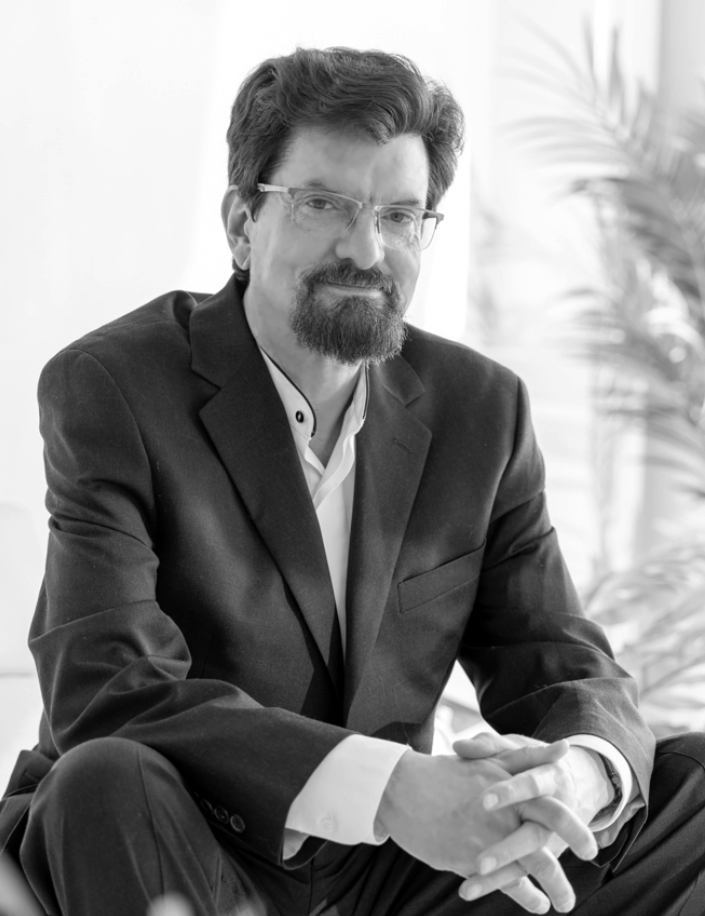
Meet our Philosopher-in-residence
R. Kevin Hill, J.D., Ph.D.
Kevin has been teaching philosophy at the college level for over 30 years, at UCSD, Northwestern, and PSU. He’s published numerous books and academic articles focused on major thinkers in the existential (and more broadly “Continental”) tradition in philosophy.
Please Note:
Our first course is a self-paced online lecture series that provides over 30 hours of content. However, we’re still working on getting everything edited and uploaded. Only the first ten (of sixteen) lectures are currently available. If you enroll, you’ll have access to all of the additional lectures, at no additional cost, as they become available.
This course is not yet approved for credit for CEU requirements.
This entire course is currently being offered at a discounted rate of only $39 (one-time fee).
20th century existentialism ... starts out with these very technical questions, and a method that’s designed to address those questions, but it quickly gets taken up by people whose interests are far more literary. A lot of Being and Nothingness, it turns out, is about how we relate to other people. And in particular a kind of powerlessness we experience in the face of ... the existence of other people.