Understanding Burnout: Does Zoom Make It Worse?

Source: Canva

What, Exactly, is Burnout?

Burnout is a psychological symptom that results from chronic work-related stress (Melamed et al., 2006). Melamed et al. define burnout simply as “emotional exhaustion, physical fatigue, and cognitive weariness.”[1] Specifically, Maslach et al. find that burnout can be conceptualized along three dimensions:[2,3] 

  1. Exhaustion - stress and chronic fatigue due to overwhelming demands.

  2. Cynicism - apathy, loss of interest in work, and a sense of futility and meaninglessness toward one’s job.

  3. A decrease in quality of work performance - the manifestation of reduced feelings of performance-effectiveness or accomplishment

The multivariate impact of burnout is quantifiable. Burnout negatively impacts productivity and can be measured by: quantity of sick leave days, job retention, and the intention to change jobs.[4] Studies have also found higher levels of burnout have correlated with increased inflammation biomarkers, risk of cardiovascular disease, sleep disturbances, fatigue, and mood disturbances.[5-8]

How Does Burnout Arise?

In addition to more obvious factors like an overwhelming workload, two decades of research on burnout have illuminated some lesser known factors that influence one’s likelihood of burning out. If people perceive that they have the capacity to influence decisions within their workplace and believe they have access to resources necessary to perform well, job engagement is likely to increase. When people feel insufficient recognition or reward (i.e. financial, social, institutional) for their work, both they (as individuals) and their work can feel devalued; this is found to be closely related to feelings of inefficacy and decreased satisfaction. Interpersonal dynamics within the workplace also affect one’s experience of burnout; relationships characterized by support and trust protect against burnout, while unresolved conflict and a lack of trust between peers or coworkers are correlated with greater burnout risk. Fair and equitable policies are also important, as people who feel that they are not being appropriately respected can become chronically cynical, angry, or hostile. Finally, a conflict of values between an individual and their organization can increase one’s likelihood of developing burnout, as the continual pressure to make trade-offs between their values and obligations can affect stress and exhaustion levels.[9]

Figure 1: List of possible burnout symptoms

Image based on a list produced by Schaufeli & Enzmann (1998) [10]

Who Burns Out the Quickest?

Different individuals working under the same job conditions will not necessarily feel burned out at the same time or to the same degree. This is because burnout is a response to stress and individuals evaluate, cope with, and respond to stressors differently. One study by Ghorpade et al. (2007) finds that differences in personality can influence whether one conserves resources (consequently protecting themselves) or becomes susceptible to stressors. Further, extroversion and emotional stability have been found to be negatively related to emotional exhaustion.[11] Openness and agreeableness are also negatively correlated with burnout, while conscientiousness and neuroticism appear to be positively associated.[12,13] 

Something that researchers have struggled to account for is how often burnout might be mislabeled as depression or anxiety, and how such misdiagnoses can lead to ineffective treatment interventions. People suffering from burnout might appear to be depressed, as the symptoms of burnout resemble those of depression (e.g. loss of interest, fatigue, impaired concentration, depressed mood).[14] As there are no diagnostic criteria for burnout and it is not mentioned in the DSM-5, one cannot be formally diagnosed with the condition. One major distinction between depression and burnout is that burnout arises specifically in work-related contexts whereas depression is pervasive across different contexts.[15]

Burnout from Online and Telecommunication-Based Environments

It is often contended that screen time is associated with copious amounts of stress-related symptoms, including psychological, cognitive, and muscular impairments.[16,17] Mheidly et al. (2020) write that pandemics “are often associated with a state of stress and panic. Accordingly, strain resulting from telecommunication can accumulate with other stressors to lead to exhaustion, anxiety, and burnout.”[18] They note that imposed lockdowns, quarantines, and the inability to socialize as a result of the COVID-19 pandemic have led to considerable disruptions in lives, often accompanied by increased tension, anxiety, boredom, and disturbed sleep cycles. Within workplaces, promotions have been delayed and wages have been cut; these negative changes can create adverse levels of pressure and anxiety within people.

Mheidly et al. (2020) recommend promoting awareness regarding stress and burnout as a result of increased telecommunication. They note the following measures are likely to combat this type of burnout: increasing the frequency of breaks between virtual lectures and teleconferences to both reduce eye strain and prevent attention loss, increasing podcast-based communication as a substitute for visual screen time, and implementing healthy practices throughout the work or school day. Yoga, in particular, has received growing research attention, with evidence indicating it can be an effective intervention to reduce stress, increase physical activity, and improve well-being.[19-21]

How to Recover from Burnout

Just as the onset and development of burnout change depending on the individual, so too does the recovery. While Heng & Schabram (2021) believe that the best cure for burnout is prevention altogether, that isn’t always realistic. Therefore, they emphasize the importance of agency in the restoration process. Their research finds that to “effectively overcome burnout, employees must feel empowered to take control over their own lives and decisions.” Rather than expect or request a manager to intervene and improve coworker relations, they note that it is more effective for employees to reaffirm their own social networks. In a subsequent study where they surveyed social service workers (people prone to chronic burnout), Heng & Schabram found “those who were already suffering from burnout had a harder time engaging in acts of self- or other-care, [while] those who were able to muster the energy to practice compassion showed significant reductions in burnout.”[22] Other research has found that mindfulness practices such as breathing exercises, gratitude exercises, yoga, and movement can be effective at cultivating compassion, and that compassion meditation training can rewire neural circuitry in the brain.[23,24]

Self-care and healthy practices are crucial to implement for burnout recovery. Such practices can include: 

  • reducing screen time

  • increasing time in nature

  • stretching to mitigate tension brought on by extended sitting

  • practicing agency and taking control in areas of work or school where one can make changes for themselves

  • reflecting on one’s support system and building relationships where trust and respect are foundational

  • engaging in self-compassion

It’s also important to be aware that the symptoms of burnout can resemble those of depression; if one’s cynicism and exhaustion begin to pervade other areas of life besides work, then different approaches (e.g., therapy or medication) may be more effective or necessary for healing to occur. 

For more information, click here to access an interview with SAS Therapist, Jim McDonnell, on high-stress employment.

Contributed by: Maya Hsu

Editor: Jennifer (Ghahari) Smith, Ph.D.

References

1 Melamed, S., Shirom, A., Toker, S., Berliner, S., & Shapira, I. (2006). Burnout and risk of cardiovascular disease: Evidence, possible causal paths, and promising research directions. Psychological Bulletin, 132(3), 327–353. https://doi.org/10.1037/0033-2909.132.3.327 

2 Maslach, C., Jackson, S. E., & Leiter, M. P. (1997). Maslach Burnout Inventory: Third edition. In C. P. Zalaquett & R. J. Wood (Eds.), Evaluating stress: A book of resources (pp. 191–218). Scarecrow Education.

3 Koutsimani, P., Montgomery, A., & Georganta, K. (2019). The Relationship Between Burnout, Depression, and Anxiety: A Systematic Review and Meta-Analysis. Frontiers in psychology, 10, 284. https://doi.org/10.3389/fpsyg.2019.00284

4 Storm, K., & Rothmann, S. (2003). The relationship between burnout, personality traits and coping strategies in a corporate pharmaceutical group. South African Journal of Industrial Psychology, 29(4), 35-42. Retrieved from https://www.researchgate.net/publication/47739448_The_relationship_between_b urnout_personality_traits_and_coping_strategies_in_a_corporate_pharmaceutical _group

5 Toker, S., Shirom, A., Shapira, I., Berliner, S., & Melamed, S. (2005). The association between burnout, depression, anxiety, and inflammation biomarkers: C-reactive protein and fibrinogen in men and women. Journal of Occupational Health Psychology, 10(4), 344-362. http://dx.doi.org/10.1037/1076-8998.10.4.344

6 Toppinen-Tanner, S., Ahola, K., Koskinen, A., & Vaananen, A. (2009). Burnout predicts hospitalization for mental and cardiovascular disorders: 10 - year prospective results from industrial sector. Stress and Health, 25(4), 287-296. http://dx.doi.org/10.1002/smi.1282

7 Rosen, I. M., Gimotty, P. A., Shea, J. A., & Bellini, L. M. (2006). Evolution of sleep quantity, sleep deprivation, mood disturbances, empathy, and burnout 39 among interns. Academic Medicine, 81(1), 82-85. Retrieved from http://journals.lww.com/academicmedicine/Fulltext/2006/01000/Evolution_of_Sl eep_Quantity,_Sleep_Deprivation,.20.aspx

8 Ahola, K., Honkonen, T., Kivimäki, M., Virtanen, M., Isometsä, E., Aromaa, A., & Lönnqvist, J. (2006). Contribution of burnout to the association between job strain and depression: The Health 2000 Study. Journal of Occupational and Environmental Medicine, 48(10), 1023-1030. http://dx.doi.org/10.1097/01.jom.0000237437.84513.92

9 Maslach, C., & Leiter, M. P. (2016). Understanding the burnout experience: Recent research and its implications for psychiatry. World psychiatry : official journal of the World Psychiatric Association (WPA). Retrieved from https://www.ncbi.nlm.nih.gov/pmc/articles/PMC4911781/#wps20311-bib-0024 

10 Schaufeli, W., & Enzmann, D. (1998). The burnout companion to study and practice: A critical analysis. Taylor & Francis. 

11 Ghorpade, J., Lackritz, J., & Singh, G. (2007). Burnout and personality. Journal of Career Assessment, 15(2), 240–256. https://doi.org/10.1177/1069072706298156 

12 Anvari, M. R., Kalali, N. S., & Gholipour, A. (2011). How does personality affect on job burnout? International Journal of Trade, Economics and Finance, 2(2), 115-119. Retrieved from http://www.ijtef.org/papers/88-F00068.pdf

13 Dargah, H. G., & Estalkhbijari, Z. P. (2012). The relationship between the Big Five Personality Factors and job burnout. International Journal of Asian Social Science, 2(11), 1842-1850. Retrieved from http://www.aessweb.com/pdffiles/ijass%20pp.1842-1850.pdf

14 American Psychiatric Association (2013). Diagnostic and Statistical Manual of Mental Disorders (DSM-5®). Washington, DC: American Psychiatric Pub.

15 Iacovides, A., et al. (2003). The relationship between job stress, burnout and clinical depression. Journal of Affective Disorders, 75(3), 209-221. https://doi.org/10.1016/S0165-0327(02)00101-5

16 Lemola, S., Perkinson-Gloor, N., Brand, S., Dewald-Kaufmann, J. F., & Grob, A. (2014). Adolescents' electronic media use at night, sleep disturbance, and depressive symptoms in the smartphone age - Journal of Youth and adolescence. SpringerLink. Retrieved January from https://link.springer.com/article/10.1007/s10964-014-0176-x?r=1&l=ri&fst=0&error=cookies_not_supported&code=20def7ff-647e-4b3f-923a-66c0a437f01b 

17 Hossmann, K.-A., & Hermann, D. M. (2002). Effects of electromagnetic radiation of mobile phones on the Central Nervous System. Bioelectromagnetics, 24(1), 49–62. https://doi.org/10.1002/bem.10068 

18 Mheidly, N., Fares, M. Y., & Fares, J. (2020). Coping with stress and burnout associated with telecommunication and online learning. Frontiers in public health. Retrieved from https://www.frontiersin.org/articles/10.3389/fpubh.2020.574969/full 

19 Pascoe, M. C., & Bauer, I. E. (2015). A systematic review of randomised control trials on the effects of yoga on stress measures and mood. Journal of Psychiatric Research, 68, 270–282. https://doi.org/10.1016/j.jpsychires.2015.07.013 

20 Büssing, A., Michalsen, A., Khalsa, S. B., Telles, S., & Sherman, K. J. (2012). Effects of yoga on mental and physical health: A short summary of reviews. Evidence-Based Complementary and Alternative Medicine, 2012, 1–7. https://doi.org/10.1155/2012/165410 

21 Fares, J., & Fares, Y. (2016). The role of yoga in relieving medical student anxiety and stress. North American Journal of Medical Sciences, 8(4), 202. https://doi.org/10.4103/1947-2714.179963 

22 Heng, Y. T., & Schabram, K. (2021). Your Burnout is unique. your recovery will be, too. Harvard Business Review. Retrieved from https://hbr.org/2021/04/your-burnout-is-unique-your-recovery-will-be-too 

23 Kirby, J. N. (2016). Compassion interventions: The programmes, the evidence, and implications for research and Practice. British Psychological Society. Retrieved from https://bpspsychub.onlinelibrary.wiley.com/doi/abs/10.1111/papt.12104 

24 Weng, H., Fox, A., Shackman, A., Stodola, D., Caldwell, J., Olson, M., Rogers, G., & Davidson, R. (2013). Compassion training alters altruism and neural responses to suffering - journals.sagepub.com. Psychological Science. Retrieved from https://journals.sagepub.com/doi/abs/10.1177/0956797612469537?cited-by=yesl0956797612469537v1p0956797612469537v1r0956797612469537v1 

Therapeutic Benefits of Play Therapy

Source: Canva

What is Play Therapy and How Does It Work? 

Play therapy is a type of therapy, primarily used with children, to enter their world and understand what kinds of things they are processing at any given moment. It can look like placing a child in a circle of toys, role playing imaginary characters, or using a sandtray to depict scenes. The key is to let the child lead and not to interfere with the direction in which they want to go. 

Sandplay therapy (SPT) is one common medium used in play therapists’ offices. Foo & Pratiwi (2021) have measured a significant decrease in anxiety related symptoms when SPT is optimized. Choline, an advantageous metabolite marker linked to learning, memory, and concentration, was found to increase in participants with childhood trauma after receiving SPT treatment.[1] For children who experience trauma such as divorce, hospitalization, or loss of a loved one, play therapy can mitigate the accompanying negative effects and act as a buffer to prevent severe psychosocial or emotional issues from developing.[2]

Why Play Therapy?

Children will often repeat certain narratives over and over again until they’ve processed them through play. For example, if a child’s best friend suddenly stops playing with them at school, the child may need to work through that confusion through reenactment. When something in the world is frightening or traumatizing in any way, the child can make better sense of the situation by acting it out and having the ability to anticipate what will happen next. They can set the pace of the reenactment as well as gain distance from the situation because rather than the child re-experiencing the fear, the toy or doll can now stand in for them. 

Research has shown that play therapy is an effective intervention for decreasing anxiety in elementary school aged children, improving disorders like generalized anxiety disorder, agoraphobia, social anxiety, and separation anxiety.[3-5] With adults, the brain is typically more developed, so talking is usually an effective method for processing issues. Despite the fact that talking is a viable and reliable option for adults working through problems, the incorporation of playful elements can still be tremendously beneficial for the average person. Similar to how bringing pinecones into a session (as a form of ecotherapy) can spark memories, ideas, and conversations about nature that might not otherwise have organically arisen, using painting or crafts can elicit unique feelings or thoughts in a client. Adults with developmental disabilities can also benefit immensely from toy-based play therapy, as the objects or role play can function as a bridge into their world. 

Drama, somatic, and art therapy are closely related to play therapy in that they all involve additional engagement from the body and mind than just speech. Drama therapy has been shown to improve self-awareness and help people materialize their hidden feelings through action.[6] Additionally, research has demonstrated how somatic experiencing can be therapeutic for people with PTSD, and how creative art-based expression has positive effects on physiological and psychological health.[7, 8] Play therapy is unique in its broadness, as it can encompass the other three as well. Due to its range, it is usually possible to find some form of play therapy that works for each child. Younger children may prefer to act as a dinosaur, while older kids may prefer to use a toy dinosaur in a sandtray. As the brain develops through childhood, analytical skills are built through the limbic brain, and a kid becomes better able to-- for example-- construct more complex sandtray arrangements and then discuss their choices.[9] 

Symbolism in Play Therapy

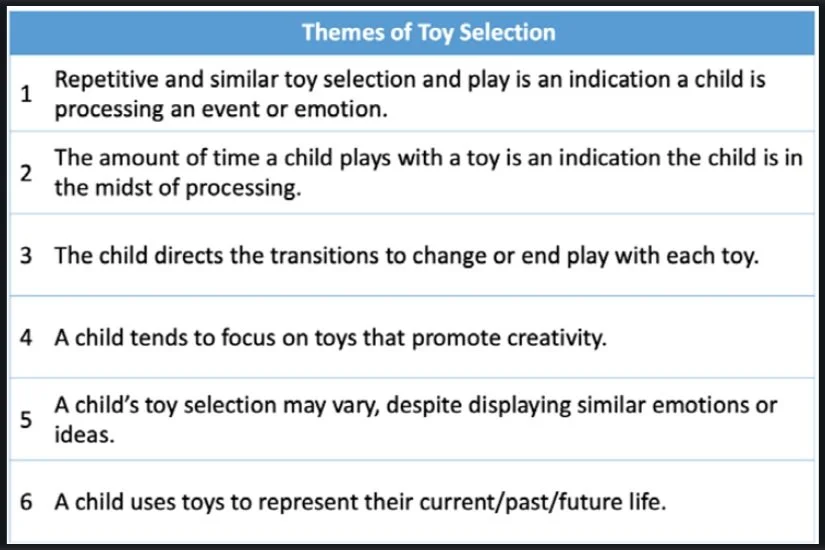
In the world of play therapy, symbolism is a key element for understanding the broader context of a child’s play. However, a delicate line must be walked: no selection of an object nor appearance of a recurring narrative is ever completely random or arbitrary (in other words, everything is clinically relevant), yet the therapist must be careful not to draw assumption-based conclusions about the symbolism. For example, a child may select a toy weapon. This does not necessarily indicate pathology or a history of abuse. Instead, it might represent desire on the child’s part for some power and control-- something children typically lack in the world. 

Figure 1: Themes of toy selection

Note: This table was produced by Andrewjeski (2019) [10]

Play Therapy Extends Beyond the Session

Parents sometimes place their children in play therapy to give them “me” time. Rachael Sofian, a psychotherapist at Seattle Anxiety Specialists trained in play therapy, notes that children rarely truly crave autonomy. Instead, they seek connection. When done mindfully, it can be effective for parents to engage in play therapy at home. In fact, the greatest results from having a child in play therapy come from the integration of certain attunement techniques into home life. “Reflecting” is a term for the non-directive play therapy technique where the adult or therapist verbalizes the choices of the child. “You’re brushing that doll’s hair” and “you’re moving the car really fast” are examples of reflecting that can help foster connection between the child and adult.[11] 

However, Sofian recommends consulting a professional play therapist for tailored advice before implementing techniques at home. By starting a child in play therapy, the therapist can get to know them and discover important patterns, and then communicate activities or exercises for the parent to try out with the child later. Without professional involvement a parent may run the risk of causing harm to the child, for instance, by setting aside play time but multi-tasking or forgetting to be fully present.

There is considerable evidence that supports the efficacy of play therapy for improving social and emotional skills, self-awareness, self-regulation, empathy, communication, increasing intelligence, decreasing anxiety, and helping with the recovery process after trauma.[12-14] By placing power into the child’s hands and allowing them to direct a play session, they gain an invaluable sense of control and autonomy. Trained professionals who can reflect, validate, and ask questions in a neutral and curious manner add to the power of play therapy. The therapeutic benefits are not limited to children or the brick-and-mortar therapy room, though. Elements of therapeutic play can be implemented into virtual therapy, home life between the parent and child, as well as psychotherapy sessions for adults.  

Contributed by: Maya Hsu

Editor: Jennifer (Ghahari) Smith, Ph.D.

References

1 Foo, M., & Pratiwi, A. (2021). The effectiveness of sandplay therapy in treating generalized anxiety disorder patients with childhood trauma using magnetic resonance spectroscopy to examine choline level in the dorsolateral prefrontal cortex and centrum semiovale. International Journal of Play Therapy, 30(3), 177–186. https://doi.org/10.1037/pla0000162 

2 Li, W. H. C., Chung, J. O. K., Ho, K. Y., & Kwok, B. M. C. (2016). Play interventions to reduce anxiety and negative emotions in hospitalized children. BMC pediatrics. Retrieved from https://www.ncbi.nlm.nih.gov/pmc/articles/PMC4787017/ 

3 Hateli, B. (2021). The effect of non-directive play therapy on reduction of anxiety disorders in young children. Counselling and Psychotherapy research. Retrieved from https://www.researchgate.net/publication/352540147_The_effect_of_non -directive_play_therapy_on_reduction_of_anxiety_disorders_in_young_children

4 Kool, R., & Lawver, T. (2010). Play therapy: Considerations and applications for the practitioner. Psychiatry (Edgmont (Pa. : Township)). Retrieved January 13, 2022, from https://www.ncbi.nlm.nih.gov/pmc/articles/PMC2989834/ 

5 Ray, D. C., Armstrong, S. A., Balkin, R. S., & Jayne, K. M. (2014). Child-centered play therapy in the schools: Review and meta-analysis. Psychology in the Schools, 52(2), 107–123. https://doi.org/10.1002/pits.21798 

6 Chang, W.-L., Liu, Y.-S., & Yang, C.-F. (2019). Drama therapy counseling as mental health care of college students. International journal of environmental research and public health. Retrieved from https://www.ncbi.nlm.nih.gov/pmc/articles/PMC6801780/ 

7 Brom, D., Stokar, Y., Lawi, C., Nuriel-Porat, V., Ziv, Y., Lerner, K., & Ross, G. (2017). Somatic experiencing for posttraumatic stress disorder: A randomized controlled outcome study. Journal of traumatic stress. Retrieved from https://www.ncbi.nlm.nih.gov/pmc/articles/PMC5518443/ 

8 Stuckey, H. L., & Nobel, J. (2010). The connection between art, healing, and public health: A review of current literature. American journal of public health. Retrieved from https://www.ncbi.nlm.nih.gov/pmc/articles/PMC2804629/ 

9 Sokolowski, K., & Corbin, J. G. (2012). Wired for behaviors: From development to function of innate limbic system circuitry. Frontiers in molecular neuroscience. Retrieved January from https://www.frontiersin.org/articles/10.3389/fnmol.2012.00055/full 

10 Andrewjeski, K. (2019). The symbolism of play behavior in child-centered play therapy. UNLV Theses, Dissertations, Professional Papers, and Capstones. Retrieved from http://dx.doi.org/10.34917/18608580 

11 Allen, V., Folger, W., & Pehrsson, D.-E. (2007). Reflective process in play therapy: A practical model for supervising counseling students. Researchgate. Retrieved from https://www.researchgate.net/publication/234565195_Reflective_Process_in_Play_Therapy_A_Practical_Model_for_Supervising_Counseling_Students 

12 Mirahmadi, Z., & Hemmati, G. (2016). The effectiveness of group play therapy on social skills of female students with intellectual disability. Physical Treatments - Specific Physical Therapy, 6(2), 115–123. https://doi.org/10.18869/nrip.ptj.6.2.115 

13 Chinekesh, A., Kamalian, M., Eltemasi, M., Chinekesh, S., & Alavi, M. (2013). The effect of group play therapy on social-emotional skills in pre-school children. Global journal of health science. Retrieved from https://www.ncbi.nlm.nih.gov/pmc/articles/PMC4825459/ 

14 Godino-Iáñez, M. J., Martos-Cabrera, M. B., Suleiman-Martos, N., Gómez-Urquiza, J. L., Vargas-Román, K., Membrive-Jiménez, M. J., & Albendín-García, L. (2020). Play therapy as an intervention in hospitalized children: A systematic review. Healthcare. Retrieved from https://www.ncbi.nlm.nih.gov/pmc/articles/PMC7551498/ 

The Great Resignation: Why Burnout Prevailed and What to Consider if You’re Contemplating Resigning

Source: Canva

The Great Resignation

Will it Continue through 2022?

2022 is upon us. With the New Year, many tend to commit to grand new routines (going to the gym, eating better, learning a new skill, etc.) and during this ongoing pandemic, one must wonder if positive changes in terms of employment, education and/or new perspectives are also on the calendar. Contemplating a career change? Read ahead for some points to consider, and hear SAS therapists’ perspectives, as you weigh your options.

Along with the COVID-19 pandemic, came what has been dubbed “The Great Resignation” in which millions of Americans have quit their jobs. But, why? In March 2020, countless offices and business were forced to abruptly shutter; millions lost their jobs and an estimated 42% of Americans began to work remotely.[1] This restructuring to work remotely has had a profound impact on how people think about their jobs, specifically when and where they want to work. In a June 2021 article, NPR quotes Tsedal Neeley, a professor at Harvard Business School and author of the book Remote Work Revolution: Succeeding from Anywhere, “We have changed. Work has changed. The way we think about time and space has changed." Neeley then adds a key point - “Workers now crave the flexibility given to them in the pandemic - which had previously been unattainable.”[2]

The crisis of the pandemic, fear of becoming ill and/or losing a loved one as well as fear of the unknown led to Americans beginning to see their life-work balance through a new lens. Many began to rethink what their work means to them, how they are valued in the workplace and how they spend their time. This has led to a significant increase in resignations, with the U.S. Labor Department reporting over four million people quitting their jobs from July-November of 2021 as Covid infections continued to spread throughout the United States. While normally high quit-levels are indicative of a healthy economy with plentiful jobs, the pandemic has led to the worst U.S. recession in history, with millions of people out of work. At the same time, acute labor shortages are being reported.[3]

It’s important to note that while the primary focus of this article is about the “Great Resignation” wherein people have chosen to leave their place of employment, roughly 10 million Americans have unwillingly lost their jobs during the pandemic.[4] Restaurants have shuttered, concert venues fell silent, small businesses collapsed and countless Americans found themselves in severe financial insecurity. Notably, women have borne the brunt of job losses as they are over-represented in low-wage service jobs, have been hit hard by increased child-care demands brought on Covid’s disruption of school reopenings as well as the initial lack of vaccines for children.[5] Further, those with compromised immune systems and/or underlying medical conditions (or who have family/loved ones with such) have had to be especially vigilant to not become exposed to the Coronavirus; thus many have been unable to return to their jobs if exposure was probable, due to safety concerns. In a January, 2022 article by The Guardian, Heidi Shierholz, president of the Economic Policy Institute noted, “We know there are millions of people who are still out of the labor force because of health and safety concerns. We know that parents are out of the labor force because of ongoing Covid-related care responsibilities.”[6] For those unwillingly out of the workforce during this health crisis, the following information and considerations should also be of benefit when contemplating next career steps.

SECTORS FACING GREATEST WALK-OFFS

As The Washington Post reports, those resigning seem to come from every industry and span generations. Those in the leisure and hospitality services have been primary contributors of the mass exodus in the Great Resignation. According to NRP, these industries (which includes jobs in hotels, bars, restaurants, theme parks and entertainment venues) have become increasingly stressful during the pandemic, with scant staffing and constant battles with unmasked customers building up to many departing their jobs. In addition, because those working in the leisure/hospitality sectors have had maintained contact with the public, workers in these fields have been subjected to increased exposure to Covid as they could not isolate nor work remotely in these positions. As many companies leisure/hospitality companies offered furloughs, workers accepted at an unprecedented rate due to the increased stressors and risk of infection.[7]

But it’s not just the leisure/hospitality sectors that are seeing massive quit levels. Data from the Bureau of Labor Statistics has shown an exodus of workers leaving retail, warehouses, food service, health-care and social- assistance jobs at record levels. Quit levels have soared among manufacturing and warehouse workers, straining under excessive pressures of surging demand and crunched supply chains. The Post cites reasons for leaving one’s position during the pandemic include: following through on long-deferred plans to leave; no longer willing or able to wait out the pandemic; being burned out from too many long shifts; too many late nights and unspent vacation days. Furthermore, the public health crisis led to a reassessment of one’s jobs and priorities.[8]

Economists have noted that the pandemic has led to low-wage workers in America revolting against years of poor pay and stressful conditions. Many are now less-willing to endure inconvenient hours with low compensation, leading to the pursuit of better opportunities.[9]

Ian Cook and his team at Harvard Business Review sought to explore the staggering statistics of quits occurring since the pandemic occurred. They conducted an in-depth analysis of more than 9 million employee records from more than 4,000 companies.[10] The global dataset included employees across a variety of industries, functions, and levels of experience, and revealed two key trends.

1. Resignation rates are highest among mid-career employees, aged 30-45. Employees in this age group (dubbed “mid-career” by the researchers) have had the greatest increase in resignation rates, with an average increase of more than 20% between 2020 and 2021. Cook and his team note that there are a few factors to help to explain why the increase in resignations have been largely driven by this cohort. Namely, mid-level employees are more-likely to be fully trained in their positions, making remote work a relatively easy shift compared to someone with less experience in the company. The team notes this could create greater demand for mid-career employees, giving them greater leverage in securing new positions.

Additionally, it is possible that many mid-level employees may have delayed transitioning out of their roles due to the uncertainty caused by the pandemic. Cook suggests the spike in resignations could be the result of more than a year’s worth of pent-up work frustrations and pressures such as continual high workloads, hiring freezes, and other pressures, causing workers to rethink their work and life goals.[11]

2. Resignations have been highest in the tech and health care industries. Cook et al. also identified notable differences in turnover rates between companies across different industries and found the health care industry had a 3.6% increase, while the tech sector had a 4.5% increase in resignations from 2020-2021.

The team suggested that resignation rates were higher among employees who worked in fields that had experienced extreme increases in demand due to the pandemic, likely leading to increased workloads and burnout. [12]

A NEW PERSPECTIVE

An unforeseen side-effect of the pandemic has been that much of the workforce has come to rethink their current careers, priorities and lifestyles. According to Gallup research conducted in the summer of 2021, nearly half of American workers were actively searching or watching for new job opportunities.[13] And, at the end of November 2021, there were more than 10.6 million unfilled jobs in the U.S. workforce, according to data released by the Labor Department,[14] thus suggesting that workers are taking time to find the “right” positions for themselves. Further, with government stimulus leading to surges in savings, booming stock markets and fewer spending options during the pandemic, some households have more funds to sustain them in the interim as workers seek to find more ideal employment situations.[15] Additionally, as The Guardian notes, “For those quitting in response to higher wages or greater health risks or greater care insecurity, it is not so simple as to think that they would prefer not to work, but rather, that they cannot afford to keep the jobs they have.”[15]

Grant Thornton’s recent “State of Work in America” survey found that flexibility is key for many employees now, in regards to when and where work is done. Respondents indicated that flexibility actually outweighs compensation as a concern and half of the sample noted they would give up a salary increase for more flexibility. Given that burnout is a top reason why employees seek out other opportunities, flexibility can be the primary mitigating factor.[16] Out of Office co-author, Anne Helen Petersen, asserts "The status quo of us being in offices from a certain time to a certain time every day is very arbitrary. It's based on rhythms that are no longer ours. It's based on an understanding that there is a caretaker at home for most families in the United States, and that's not necessarily the case." Now is a good time to revisit what she calls "arbitrary understandings of how many hours your butt should be in a chair in the office." After all, notes Petersen, "You don't need to be in an office to answer emails."[17]

The result of such high unemployment numbers have led to a shift in the worker having increased bargaining and negotiation powers. Mark Hamrick, senior economic analyst at Bankrate asserts, “As a result of many changes caused by the pandemic, many employers will need to continue to consider raising wages and improving working conditions, such as providing more flexibility, as they attempt to attract and retain workers.”[18]

The proverbial battle for talent in the workplace has spurred some companies to raise wages and offer sign-on bonuses. In May, the national average hourly pay for non-managers at restaurants and bars topped $15. Companies such as Costco, Amazon, CVS and Walgreens all have hourly minimums of $15 or higher. Further, Walmart, Target and Amazon announced they would begin offering free college tuition and textbooks to employees.[19]

IMPROVING WORKER RETENTION

Explorance, a leader in experience management (XM) solutions, commissioned a survey of 2,000 U.S. part- and full-time-employed adults to probe hidden drivers behind The Great Resignation. Their key finding came down to: “feedback that goes unheard.”[20]

A majority of respondents noted they are eager to share feedback with employers and do so in the hopes of driving positive change in their workplace. However, employees (including many executives) indicated that far too often their feedback goes unheard and does not result in meaningful change. Moreover, while 78% of respondents indicated they were “eager to take company surveys,” 50% noted they were not surveyed by their employer in the previous year. Further, 45% of the sample felt that even when surveys were implemented, no meaningful change ever comes from them.[21]

Samer Saab, founder and CEO of Explorance, notes, "This data not only reveals new insights as to why employees are looking to change jobs. It also shows that responding to employee feedback by making meaningful changes can improve employee inclusion and retention."[22]

Explorance suggests that employers can take three steps to slow attrition:[23]

1. Solicit feedback from employees, including open-ended questions that allow them to speak candidly and share their thoughts.

2. Analyze the survey results and communicate the key findings to employees.

3. Act. To truly close the loop, employers must quickly turn insights into action and address employee concerns rapidly -- or risk hearing about them again in exit interviews.

Flexibility in the workplace is another factor that can slow the number of resignations a company experiences. While some personality types thrive in an office environment, others shine away from the fray and perform better remotely. Shifting hours or split schedules for remote work are another driver of employee satisfaction; if the company’s business hours align, employees can work 7:00-3:00, or even a split day of 9:00-3:00 plus 7:00-9:00 which may accommodate people with school-aged children better or those who have higher productivity with a break mid-day. Additionally, some workers need a break from home and do best with the separation of work and home spaces; thus, allowing a flex-schedule for employees to work from the office some days and home other days, may be of benefit.[24]

CONSIDERING YOUR OPTIONS

Telford and Gregg of The Washington Post offer that if someone is contemplating resigning from their job but are unsure if or when they should, they may want to consider some options:

- Can you move to a different team or department to increase satisfaction?

- Can you take on fewer tasks, add more-interesting tasks, or shift some responsibilities?

- Is there something your employer could provide (e.g., more money, a promotion, more time off) that would give your role more meaning?

Given the current labor climate, employees have stronger negotiating power when requesting change. If managers don’t engage in discussions and/or requests for change, then that might be the answer one needs.[25]

Q&A

SAS THERAPISTS OFFER INSIGHTS FOR THOSE CONSIDERING RESIGNATION

1) From a therapist’s perspective, how can someone know if they are at a point that they should resign from their current employment?

“I’m not sure I can give a definitive answer here, as context is very important. Generally speaking, if someone is spending a large amount of time thinking about quitting their job, then it is worth spending some time exploring this as an option in more detail, with the goal of moving from a reactive to a more intentional relationship to these ruminations.

The first thing I would suggest is that they get clarity on why they are considering leaving their job. They might be able to do this on their own through introspection, journaling, and/or meditation. That said, it can be much more helpful and effective to talk to someone about this - a career counselor, a psychotherapist, or someone else you trust who can be objective in helping you gain clarity on your motivations for leaving.

Some questions to consider: Do I want to quit my job, or do I want to quit my profession? Is it because I don’t like what I do for work? Do I not like who I am working for? Is it because I am anxious and/or depressed to the point that it is negatively impacting my life? Do these symptoms transcend my current work, or is it something I only experience with this particular job? Are there skills and treatments I can use to manage these symptoms?

Again, all of these questions should help an individual get clarity on why they want to quit their job.” (Jim McDonnell, LMHC)

“When someone cannot reach a proactive, solutions-focused way forward that accounts for the needs of both the employee and the employer - (the employee having had their needs and feelings understood and validated by a trusted other) - then it's time to resign (generally speaking, my opinion only).”  (Liz Silvestrini, JD, LMHC)


2) For those resigning or considering resigning from their current employment, what guidance/advice would you offer them?

“If you have done the work on gaining clarity on why you want to leave, and have determined it does in fact make sense to quit (the Why), then it makes sense to consider the How and When of your departure.

Some questions to consider: Do you have resources and a plan for what happens up to and after your departure? Are their benefits or resources you can use to help ease the transition? Do you have social support to lean on during this time?

The theme here is, again, gaining clarity and intention rather than being impulsive and reactive.” (Jim McDonnell, LMHC)

 “Focus on what you want for your next chapter and maintain that focus throughout the process to keep yourself in a position of empowered, forward momentum.” (Liz Silvestrini, JD, LMHC)


3) Do you have any other guidance/advice for someone dealing with a particularly stressful/potentially toxic work environment?

“The most important guidance I can give is to talk about this in a constructive way with someone. Someone who can help you gain clarity on your situation, provide care and support, and help you come up with options and a plan so that you feel empowered and intentional in the face of uncertainty and distress.” (Jim McDonnell, LMHC)

“Remember that you always have choices (forgive me or slap me if this sounds privileged, because it is). Remember that you have inherent dignity and worth and never deserve to live in toxicity. If something isn't serving you, find something else and write about your experience because this is never easy and your story will matter to the next person.” (Liz Silvestrini, JD, LMHC)

For more information, click here to access an interview with SAS Therapist, Jim McDonnell, on high-stress employment.

Additionally, you may click here to access an interview with Psychiatrist David Neubauer on insomnia & anxiety.

Contributed by: Jennifer (Ghahari) Smith, Ph.D.

Jim McDonnell, LMHC & Liz Silvestrini, JD, LMHC

Editor: Jennifer (Ghahari) Smith, Ph.D.

References

1 “Working 9 to 5? 'Out of Office' Author Says Maybe it's Time to Rethink That,” NPR: Author Interviews. (accessed 1-3-2022). https://www.npr.org/2021/12/13/1062991645/out-of-office-author-ann-helen-petersen

2 “As The Pandemic Recedes, Millions of Workers Are Saying 'I Quit',” NPR. (accessed 1-4-2022). https://www.npr.org/2021/06/24/1007914455/as-the-pandemic-recedes-millions-of-workers-are-saying-i-quit   

3 Ibid.

4 “Fewer Jobs Have Been Lost in the EU Than in the U.S. During the COVID-19 Downturn,” Pew Research Center. (accessed 1-3-2022). https://www.pewresearch.org/fact-tank/2021/04/15/fewer-jobs-have-been-lost-in-the-eu-than-in-the-u-s-during-the-covid-19-downturn/

5 “Why is Everyone Quitting, and How Do I Know Whether it’s Time to Leave My Job?,” The Washington Post. (accessed 1-4-2022). https://www.washingtonpost.com/business/2021/10/13/great-resignation-faq-quit-your-job/

6 “Quitting is Just Half the Story: The Truth Behind the ‘Great Resignation,’” The Guardian. (accessed 1-5-2022). https://amp.theguardian.com/business/2022/jan/04/great-resignation-quitting-us-unemployment-economy

7 NPR.

8 The Washington Post.

9 Ibid.

10 “Who Is Driving the Great Resignation?,” Harvard Business Review. (accessed 1-4-2022). https://hbr.org/2021/09/who-is-driving-the-great-resignation

11 Ibid.

12 Ibid.

13 “The 'Great Resignation' Is Really the 'Great Discontent',” Gallup. (accessed 1-5-2022). https://www.gallup.com/workplace/351545/great-resignation-really-great-discontent.aspx 

14 “Job Openings and Labor Turnover Summary,” U.S. Bureau of Labor Statistics: Economic News Release. (accessed 1-5-2022). https://www.bls.gov/news.release/jolts.nr0.htm 

15 The Washington Post.

16 The Guardian.

17 Ibid.

18 NPR: Author Interviews.

19 The Washington Post.

20 Ibid.

21 “Why Are People Really Leaving Their Jobs? The Whole Reason Can Be Summed Up in 4 Words,” Inc. (accessed 1-3-2022). https://www.inc.com/marcel-schwantes/why-are-people-really-leaving-their-jobs-whole-reason-can-be-summed-up-in-4-words.html      

22 Ibid.

23 Ibid.

24 Ibid.

25 NPR: Author Interviews.

26 The Washington Post.

Demystifying Group Therapy

Image Source: Shutterstock

What is Group Therapy?

The origins of the group therapy we know today began in the early twentieth century when it was used to support Tuberculosis patients in the hospital setting and later to support WWII soldiers (Barlow et al., 2004). Since then group therapy has undergone many changes, theoretical modalities have been created, and researchers have studied its effectiveness. Group therapy relies on the restorative power of relationships developed in a dedicated and supportive community. Joining a group provides a dedicated space for growth alongside a group of individuals who are committed to uplifting one another through the process.

What happens in a group session?

Groups can be focused on a theme, diagnosis, or lived experience (to name a few), and group members will gravitate towards themes that resonate with their goals and needs. For some, this may be the first time they have been in a community space with people who can uniquely understand part of their lived experience.

Group therapy allows for connection over common ground, whether that is the commitment to personal growth or a history of a particular diagnosis. The diversity of the group provides a wealth of unique perspectives.

Group therapy leverages the interpersonal dynamics present in the session as a vehicle for growth, and these dynamics can also shed light on specific behaviors that may not play out in individual therapy. As these dynamics unfold, they can be re-written in the here-and-now with the support of other members and the facilitator(s).

Please know that this is a high-level view of groups, and each group's content and flow will depend on the facilitators' style and modality. However, most sessions will begin and end with a check-in/out, and the rest of the session will focus on the primary theme, skill, activity, and/or a certain amount of processing.

The facilitator, a therapist, plays a pivotal role in the progression of the therapeutic aspects of group therapy. As noted above, the group leverages interpersonal dynamics and community as vehicles for growth. This process is supported by the therapist, who creates a space for these forces to unfold. Additionally, the facilitator provides feedback, supports insight development amongst members, and aids in conflict resolution as it arises.

The Seattle Psychiatrist Interview Series will be interviewing thought leaders in the group therapy space over the next few months, so please check back to hear from group therapists bringing creativity, research, and evidence-based practice to the therapeutic space.

Image Source: Shutterstock

Is Group Therapy for Me?

Individual therapy and group therapy have their unique place in helping you achieve your personal growth goals. One of the core elements of group therapy is the community element and the focus on group dynamics as a medium for growth. Group therapy may happen in parallel to individual treatment.

Depending on group content, facilitators may have certain exclusionary criteria or requirements (e.g., suicidal ideation). Contact the facilitator if you are unsure if you qualify for a group or if the group context will appropriately meet your needs.

Reflection questions as you consider group therapy:

  1. What goals do I have for group therapy?

  2. What is prompting me to explore this now?

  3. What is my previous experience with group experiences (activities, therapy, etc.), and how may that have an impact on how I show up in the group?

  4. What concerns about the process do I have that may have an impact on how fully I show up and the extent to which I commit to the experience?

  5. In what environment do I learn best?

Getting the most out of a group requires a commitment to the process, a willingness to be open and present, and an interest in learning from others.

Group effectiveness 

Group therapy is equally effective as individual therapy in treating a wide variety of clinical concerns. In fact, in a research study comparing the two modalities, the authors concluded that there was a "significant reduction in both depression and anxiety scores... with no significant difference between group and individual therapy outcomes" (Fawcet et. al, 2019, p. 430).

Furthermore, they challenged the notion that individual therapy is the primary medium through which intense change can occur and stated, "group therapy need not be viewed as a 'step down' from individual therapy, but that it can be just as intensive of an intervention as individual therapy" (Fawcet et. al, 2019, p. 436).

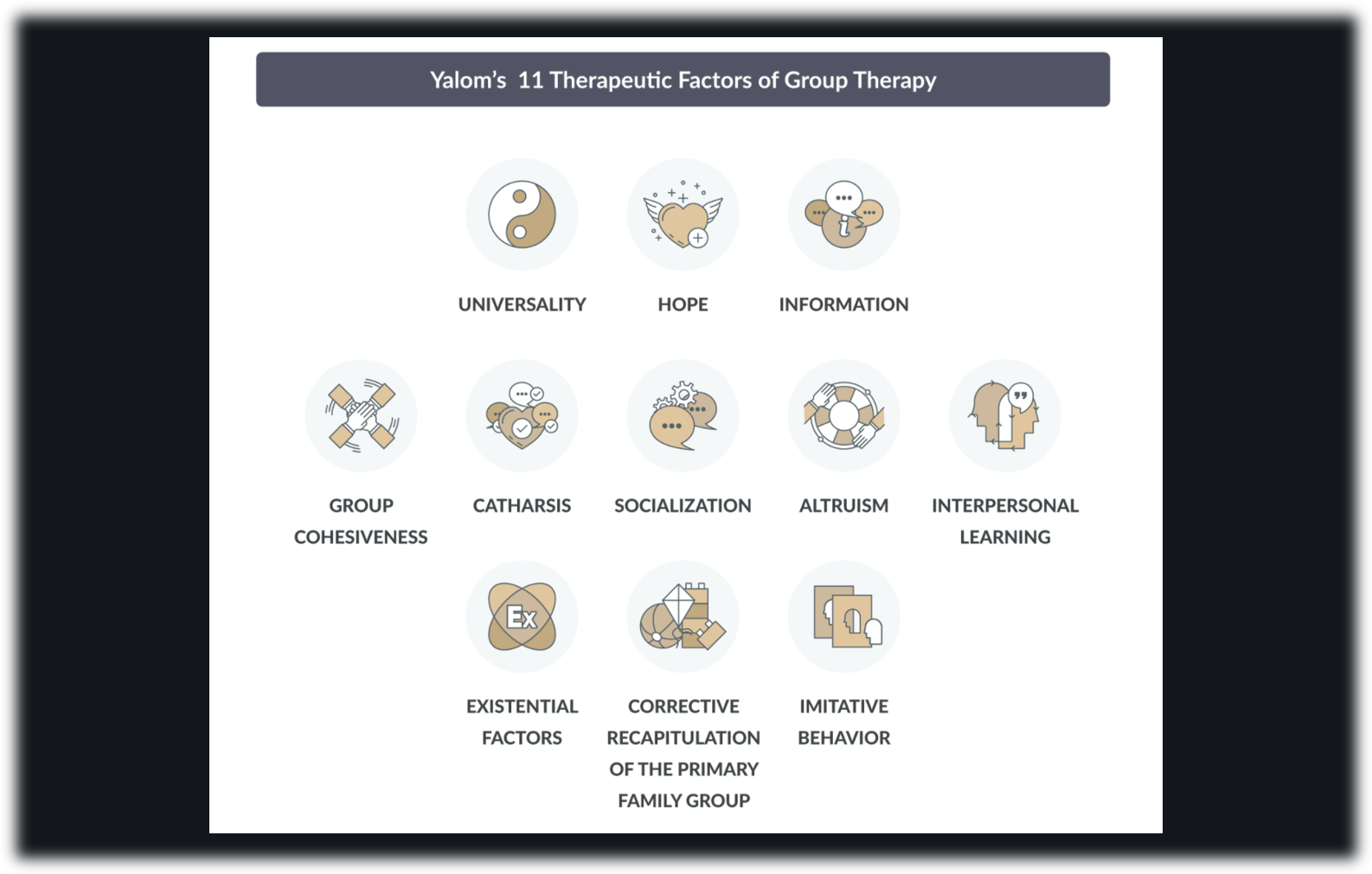
Irvin Yalom, one of the primary thought leaders and researchers in group therapy, studied the factors which contribute to group effectiveness and identified a “construct of the curative process in group psychotherapy” (Butler & Fuhriman, 1983, p.131). Through decades of research on group therapy, "the triad of self-understanding, catharsis, and interpersonal learning (input) [are shown] as the most highly valued factors in outpatient therapy groups" (Butler & Fuhriman, 1983, p.140).

Image Source: The Theory and Practice of Group Psychotherapy, Yalom (1995): PositivePsychology.com

6 tips to get the most out of group:

  1. Intention: Set a clear intention for your group experience

  2. Fit: Identify a group that fits your needs (seek out an individual therapist and discuss with the group leader for additional support)

  3. Relationships: Invest in the interpersonal relationship and respect each person's unique perspective and process

  4. Growth: Utilize a growth mindset by conceptualizing tension as an opportunity for progress 

  5. Commitment: Commit to the experience and embrace the process

  6. Openness: lead with curiosity and presence 

Additional Resources

Here are a few resources to explore as you continue to learn more about group therapy and identify the best fit:

If you’re ever interested in joining a group, you can always reach out to the facilitator and inquire if you have specific questions about the content and/or structure of their group - or to ask if they have any further resources you can use in your journey.

If you would like to learn more about participating in an upcoming group at Seattle Anxiety Specialists, PLLC, please reach out to info@seattleanxiety.com or check here for more information.

Contributed by: Sonya Jendoubi, MS., LMHC

Editor: Jennifer (Ghahari) Smith, Ph.D.

References

1 Barlow, S. H., Fuhriman, A. J., & Burlingame, G. M. (2004). The History of Group Counseling and Psychotherapy. In J. L. DeLucia-Waack, D. A. Gerrity, C. R. Kalodner, & M. T. Riva (Eds.), Handbook of group counseling and psychotherapy (pp. 3–22). Sage Publications Ltd.

2 Fawcett, E., Neary, M., Ginsburg, R., & Cornish, P. (2019). Comparing the effectiveness of individual and group therapy for students with symptoms of anxiety and depression: A randomized pilot study. Journal of American College Health, 68(4), 430–437. https://doi.org/10.1080/07448481.2019.1577862

3 Butler, T., & Fuhriman, A. (1983). Curative factors in group therapy. Small Group Behavior, 14(2), 131–142. https://doi.org/10.1177/104649648301400201

The Need for Ecotherapy in Our Overstimulated, Over-Industrialized World

The Science Behind Ecotherapy

From the smells of essential oils emitted by trees to the sounds of running water, there are significant findings that support the calming, healing, and restorative aspects of spending time in nature. In The Nature Fix (2017), Florence Williams investigates and explains a multitude of ways nature benefits humans both psychologically and physiologically. Since our world has begun rapidly urbanizing, people have lost touch with the surroundings in which we adapted, evolved, and thrived. According to Williams, we don’t experience nature often enough anymore to realize how restored it can make us feel, “nor are we aware that studies also show [natural environments] make us healthier, more creative, more empathetic and more apt to engage with the world and with each other.” To support her claim that despite our rapid industrialization, nature remains an innate value of humans, Williams notes that humans “pay considerably more for residences or hotel rooms right on the beach, or the pastoral ninth hole, or a quiet, tree-lined street.” Additionally, experts find that “these habitat preferences are remarkably consistent across cultures and eras.” As a result of our increased separation from the natural environment we still instinctively crave, levels of stress, depression, diabetes, migraines, hypertension, and crime are elevated while attention, memory, eyesight, and social skills worsen.[1] 

Much of what scientists have begun to confirm about the health benefits of nature have long been known and treasured by Indigenous peoples. When discussing the role nature plays in mental well-being, it would be remiss to ignore the fact that the intertwinement of humans and the natural world is Indigenous wisdom that has been around for centuries. Charles and Cajete (2020) write, “Evidence is growing within non-Indigenous communities of the scientific validity of these ancient as well as contemporary practices, and their adaptive value today and for the future.” Instead of the scientific method, traditional and Indigenous wisdom is “based on natural law, the workings of the land and relationships… the essence of Native science is predicated on seeking and supporting life.”[2] Because most Indigenous languages do not have a word for “science,” Indigenous philosopher Kyle Whyte uses the term traditional ecological knowledge (TEK) instead. Whyte defines TEK as “the knowledge, practice, and belief concerning the relationships of living beings to one another and to the physical environment, which is held by peoples in relatively nontechnical societies.” TEK and science differ in their rationality, but are complementary disciplines; TEK is beneficial to scientific advancement. One reason that’s been noted as to why Indigenous communities do not conduct research is because, “Societies without computing capacities built into their TEK systems cannot value quantitative research in the same way that it is valued in natural science disciplines.”[3] Thus, the rise of ecotherapy and nature-based interventions may be new to the Western world, but is in no way a modern discovery nor novel idea to be claimed. 

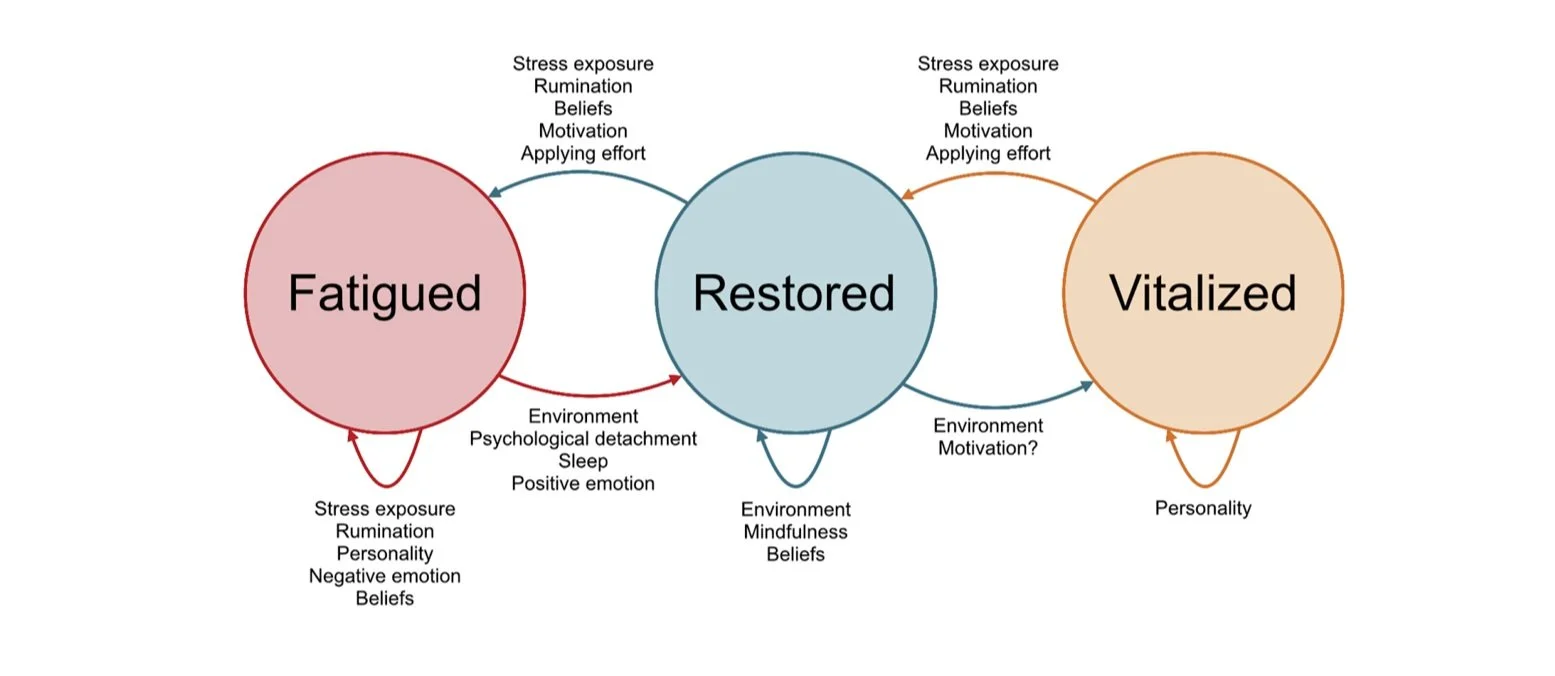
To understand why nature offers such beneficial rewards to the human body, one can look to the biophilia hypothesis for a fundamental explanation. Williams (2017) explains this hypothesis succinctly: “We feel most ‘at home’ in nature because we evolved there.” Given that humans have a predisposed inclination toward nature, we can build upon the biophilia hypothesis with two pronounced theories that support this claim: the Stress Recovery Theory (SRT) and Attention Restoration Theory (ART). These two theories have surfaced through research on restorative environments, and speak to different aspects of the recovery powers of nature. Rita Berto, an environmental psychologist, finds that “although in both theories natural environments are more restorative than urban or artificial environments, they differ in what drives individuals toward a restorative place: In SRT it is physiological stress, whereas in ART it is mental fatigue.”[4] In Figure 1, the component of nature is visualized as an important step on the way toward restoration, and even more crucial for vitalization. ART and SRT are two theories that, in conjunction with the biophilia hypothesis, provide scientific rationale for the efficacy and legitimacy of eco-psychological interventions.

Figure 1

Process of personal and environmental aspects of fatigue and recovery

Note: This sketch was produced by Rydstedt & Johnsen in 2019 [5]


One reason nature-based therapies and environmental calls-to-action are gaining popularity is due to the rise in ADHD diagnoses in children.[6] Williams finds that, “Of the 6.4 million diagnosed kids in America, half are taking prescription stimulants, an increase of 28 percent since 2007” (Williams p. 233). The Attention Restoration Theory (ART) presents reasoning for why nature is advantageous specifically for focus and concentration. Originally proposed by Stephen and Rachel Kaplan, ART works through four different cognitives states: 1) a clearing of the head, 2) mental fatigue recovery, 3) soft fascination, and 4) reflection.[7] Therefore, as someone takes a walk, their attention becomes increasingly restored because of the lack of cognitive demand, as well as the added scenery and stimuli that evoke reflection and interest in the person. One notable study conducted by Frances Kuo and Andrea Taylor (2004) found that kids showed fewer ADHD symptoms after spending time in nature. The symptoms evaluated in their study included: remaining focused on unappealing tasks, finishing tasks, listening to and adhering to directions, and restraining oneself from distractions. Kuo and Taylor suggest that “green time” can be used to supplement or even replace ADHD medication, especially in cases where medication is undesirable or ineffective.[8] 

Richard Louv coined the term “nature-deficit disorder” in his 2005 book, Last Child in the Woods. In the book’s introduction, Louv writes that rapidly advancing technologies “are blurring the lines between humans, other animals, and machines. The postmodern notion that reality is only a construct-- that we are what we program-- suggests limitless human possibilities.” In trying to build technologies that will allow us to manipulate and control every aspect of our reality, Louv argues that “the young spend less and less of their lives in natural surroundings [and] their senses narrow, physiologically and psychologically, and this reduces the richness of human experience.”[9] Ecotherapy is one way to reconnect with the natural roots from which humankind came. A burgeoning kind of therapy, ecotherapy has promising research and comparable effectiveness to other types of therapy and medication. Buzzell and Chalquist (2005) explain ecotherapy as an “umbrella term for nature-based methods of physical and psychological healing,” which “represents a new form of psychotherapy that acknowledges the vital role of nature and addresses the human-nature relationship.” In their book Ecotherapy: Healing with Nature in Mind, Buzzell and Chalquist put to rest some of the diminutive myths that surround ecotherapy (e.g., it’s a fad, or it just involves thinking good thoughts), and emphasize the dire need for increased nature integration in today’s world: 

The problem of our day is an inner deadening, an increasingly deployed defense against the stresses of living in an overbuilt industrialized civilization saturated by intrusive advertising and media, unregulated toxic chemicals, unhealthy food, parasitic business practices, time-stressed living, and (in the United States) relentlessly mindless political propaganda.[10]

Nature-based therapies offer a multitude of empirically-supported benefits such as decreased heart rates and increased focus. In her book, Williams (2017) provides numerous evidence-based examples of nature improving the human mind and body. One study she describes, conducted by immunologist Qing Li, found that middle-aged Tokyo businessmen who spent three days in the woods experienced a 40 percent increase in natural killer cells. Natural killer cells are part of the innate immune system that limit the spread of tumors and microbial infections, thereby preventing tissue damage.[11] A month after the expedition ended, their natural killer count was “still 15 percent higher than when they started.” This study demonstrates that the positive health effects of nature are not fleeting, but can remain in the body benefiting the system long after the initial encounter.

In addition to the surplus of evidence for its health advantages, nature can also be a safe and non-judgmental place to breathe, reflect, connect, and process difficult feelings like grief. Chris Russo, a psychotherapist and ecotherapist at Seattle Anxiety Specialists, notes that everyone’s experience and relationship to nature is different. Therefore, taking time to investigate that unique relationship is a critical first step to embarking on an eco-therapeutic path. Russo adds that, “Nature can be stressful for people, so recognizing that relationship is important. Different natural environments have different effects on people.” Additionally, Russo observes that in our consumerist culture, people sometimes enter therapy looking for a “quick fix.” While research suggests that two hours a week in nature is linked to significant health benefits, Russo believes that connection with nature is more than prescriptive. He believes that “places and spaces can be coping skills in, and of, themselves,” so using therapy to explore and understand one’s current relationship with nature could help one discover a new relationship with their environment that offers a continual source of comfort or relief. 

One way Russo integrates nature with therapy is by bringing objects like pinecones and rocks to a therapy session for a client to interact with and use for reflection. He also has gone on walks in parks and observed the sounds of rushing waterfalls with clients. When asked if he felt a difference in his effectiveness as a practitioner when in nature, Russo replied, “so much of nature-based therapy is in-the-now. When we’re walking and moving along together I can be more creative than I might be in an indoor space because there is constantly new stimuli to interact with and explore.” 

Ecotherapy is not just for nature enthusiasts and wildlife lovers. Ecotherapy is for anyone who is interested in exploring their existing feelings and attitudes toward nature or through nature. It is an opportunity to investigate how society’s split from natural environments has personally impacted oneself and one’s community, and consequently affected mental well-being. It can also be a vehicle to spark conversation and memories in therapy, while at the same time bringing some of those stress-reducing and attention-boosting benefits. Time and again, empirical findings as well as TEK point to the psychological as well as physiological utility of nature. We are only just beginning to understand how the integration of nature and talk therapy can be meshed together for more profound healing, restoration, and connection than either could afford individually. 

For more information, click here to access an interview with Journalist Florence Williams on nature therapy.

Contributed by: Maya Hsu

Editor: Jennifer (Ghahari) Smith, Ph.D.

References

1 Williams, F. (2018). The nature fix: Why nature makes us happier, healthier, and more creative. W.W. Norton & Company. 

2 Charles, C., & Cajete, G. A. (2020). Wisdom traditions, science and care for the earth: Pathways to responsible action. Ecopsychology, 12(2), 65–70. https://doi.org/10.1089/eco.2020.0020 

3 Whyte, K. P. (2013). On the role of traditional ecological knowledge as a collaborative concept: A philosophical study. Ecological Processes, 2(1). https://doi.org/10.1186/2192-1709-2-7  

4 Berto, R. (2014, October 21). The role of nature in coping with psycho-physiological stress: A literature review on restorativeness. Behavioral sciences (Basel, Switzerland). Retrieved November 4, 2021, from https://www.ncbi.nlm.nih.gov/pmc/articles/PMC4287696/. 

5 Rydstedt, L. W., & Johnsen, S. (2019). Towards an integration of recovery and restoration theories. Heliyon, 5(7), e02023. https://doi.org/10.1016/j.heliyon.2019.e02023 

6 Summers, J. K., & Vivian, D. N. (2018) Ecotherapy – A Forgotten Ecosystem Service: A Review. Front. Psychol. 9:1389. doi: 10.3389/fpsyg.2018.01389

7 Ackerman, C. E. (2021, August 1). What is Kaplan's Attention Restoration Theory (art)? benefits + criticisms. PositivePsychology.com. Retrieved November 4, 2021, from https://positivepsychology.com/attention-restoration-theory/. 

8 Kuo, F. E., & Taylor, A. F. (2004, September). A potential natural treatment for attention-deficit/hyperactivity disorder: Evidence from a national study. American journal of public health. Retrieved November 4, 2021, from https://www.ncbi.nlm.nih.gov/pmc/articles/PMC1448497/. 

9 Louv, R. (2005). Last child in the woods: Why children need nature, how it was taken from them, and how to get it back. Algonquin Books of Chapel Hill. 

10 Buzzell, L., & Chalquist, C. (2009). Ecotherapy: Healing with nature in mind. Sierra Club Books. 

11 Vivier, E., Tomasello, E., Baratin, M. et al. Functions of natural killer cells. Nat Immunol 9, 503–510 (2008). https://doi.org/10.1038/ni1582

Seasonal Affective Disorder: Weathering the Storm in the PNW

Seasonal Affective Disorder

It’s that time of year again – Daylight Saving Time has ended and winter is a stone’s throw away, prompting the skies to gray and darken earlier. Along with the seasonal and time shifts, tend to come bleaker moods.

Seasonal affective disorder (SAD) is a form of depression also known as seasonal depression or winter depression. The Diagnostic Manual of Mental Disorders (DSM-5) identifies SAD as “Major Depressive Disorder with Seasonal Pattern.”[1] This disorder is particularly commonplace in the Pacific NorthWest, with its relentless rain and gray skies so famous that paint manufactured dubbed one hue “Seattle Gray.” If you’re curious what it looks like – just glance to the sky most days in winter in the PNW and you’ll know. Notably, the National Oceanic and Atmospheric Administration (NOAA) finds Seattle has some of the cloudiest weather in the country, with an annual average of 71 clear days, 93 partly cloudy and 201 cloudy.[2]

SAD is more than just “dreary winter blues.” Symptoms can be distressing and overwhelming to the point that they interfere with daily functioning. Roughly five percent of adults in the U.S. experience SAD, with durations lasting typically 40 percent of the year; symptoms tend to peak in January and February.[3]

Research has found shorter daylight hours and less sunlight in winter is linked to a biochemical imbalance in the brain. People can experience a shift in their biological internal clock/circadian rhythm that can cause them to be out of sync with their daily schedule.[4] The sleep-related hormone, melatonin, also has been linked to SAD as one’s body naturally increases melatonin production when it's dark; as days become shorter and darker, people have comparatively high levels of melatonin during normal wake-hours.[5] But for our sleep-wake cycle, it's important to pay attention to the fundamentals to those processes that regulate sleep. We have a circadian system that under normal circumstances, is very effective in promoting sleep at nighttime and wakefulness during the daytime.[6] In areas of higher latitudes (note: the PNW) where daylight hours wane in the winter, this disorder is more prevalent.[7] 

SYMPTOMS AND DIAGNOSIS

According to the American Psychiatric Association[8], the two main/common symptoms of SAD include:

Additional symptoms of SAD are similar to those of major depression and can vary from mild to severe, such as:

  • Feeling sad or having a depressed mood

  • Loss of interest or pleasure in activities once enjoyed

  • Changes in appetite; usually eating more, craving carbohydrates

  • Change in sleep; usually sleeping too much

  • Loss of energy or increased fatigue despite increased sleep hours

  • Increase in purposeless physical activity (e.g., inability to sit still, pacing, handwringing) or slowed movements or speech (these actions must be severe enough to be observable to others)

  • Feeling worthless or guilty

  • Difficulty thinking, concentrating, or making decisions

  • Thoughts of death or suicide

SAD may begin at any age, but it typically starts when a person is between ages 18 and 30, with risk increasing with age.[9] Further, demographically, this condition is more common among women than men.[10,11]

A diagnosis of SAD may be made after a careful mental health exam and medical history is conducted by a psychiatrist or other mental health professional.

TREATMENT

SAD can be effectively treated in several ways, including: light therapy, antidepressant medications, talk therapy or a combination of these methods. While symptoms will generally improve on their own with the change of seasons, symptoms can improve more quickly utilizing treatment.

Light therapy - This involves sitting in front of a light therapy box that emits a very bright light (and filters out harmful ultraviolet (UV) rays). According to the American Psychiatric Association, this method usually requires 20 minutes or more per day, typically first thing in the morning, during the winter months. Most people see some improvements from light therapy within one or two weeks of beginning treatment. To maintain the benefits and prevent relapse, treatment is usually continued through the winter. Anticipating the return of symptoms in late autumn, some people may begin light therapy in early autumn to prevent symptoms from arising.[12] 

Those wishing to try light therapy, should speak to a specialist about which type of light is most effective. Dr. Lorin Boynton, a psychiatrist practicing at the University of Washington Medical Center-Roosevelt, notes, “You need 10,000 lux, so talk to a provider about what to get. Some people who have sensitive eyes shouldn’t use white light. They now make bright light therapy with green light that’s friendlier for the eyes.”[13]

Spending time outdoors - For some people, increased exposure to sunlight can help improve symptoms of SAD. Boynton suggests, “If you’re working out indoors, at home or at a gym, try to be in a brightly lit area, exercising outside whenever you can.” Further, research has shown that being in nature has a positive impact on health. “Natural daylight, even when it’s cloudy like it often is here, is much better for your brain and for all your hormones that control mood than artificial light.”[14]

Talk therapy, particularly cognitive behavior therapy (CBT) – Talk therapy has been shown to effectively treat SAD. Cognitive-behavioral or interpersonal therapy can help change distorted views one may have of themselves and the environment around them. Further, it can help improve interpersonal relationship skills, and identify things that cause stress as well as how to manage them[15.16]; this is particularly important as SAD leads to depressive symptoms.

Selective serotonin reuptake inhibitors (SSRIs) – This type of antidepressant is most commonly prescribed to treat SAD. SSRIs can help correct chemical imbalances that may lead to SAD.[17,18]

Maintain Health & Wellness – Ensuring your general health and wellness is optimized can also help. This includes: regular exercise, healthy eating, getting enough sleep, and staying active and connected (such as volunteering, participating in group activities and getting together with friends and family).[19]

Maintain your sleep routine - Dr. Ramanpreet Toor, a UW Medicine psychiatrist, notes that “Getting out of bed in the morning when it’s still dark out may be difficult, but maintaining a sense of normalcy by sticking to a regular sleep schedule will help your body better adjust to the lack of daylight.” Toor adds, “I wouldn’t recommend slowing down more or sleeping more; if someone is at risk of depression, that’s going to worsen symptoms.”[20]

The practice of good sleep hygiene is essential, including: keeping the bedroom cool and dark, avoiding caffeine near bedtime and putting blue light-emitting devices like smartphones and laptops away.[21] David Neubauer, of Johns Hopkins Medicine discussed sleep hygiene in an interview with Seattle Anxiety Specialists, PLLC: “We should be active in the daytime outside if possible. Sunlight is a good thing to help with the robustness of our circadian system, exercise, other physical activity.” Adding, “For our sleep-wake cycle, it's important to pay attention to the fundamentals to those processes that regulate sleep. We have a circadian system that under normal circumstances, is very effective in promoting sleep at nighttime and wakefulness during the daytime.”[22]

Keep variety in your diet - Once winter sets in, people tend to crave carb-rich and sugary foods become less inclined to cook. Boynton notes this is normal but should try to be avoided. Opt for healthy “comfort food” options like homemade soups or stews full of veggies and lean meats. Further, try to make meals colorful as possible by using different fruits and veggies to counter the dreariness of the weather. Aim to eat a diet which focuses on fruits, vegetables and whole grains.[23]

Johns Hopkins Medicine notes the following methods can further help relieve symptoms of SAD:[24]

  • Get help. If you think you may be depressed, see a healthcare provider as soon as possible.

  • Set realistic goals in light of the depression. Don't take on too much. Break large tasks into small ones, set priorities, and do what you can as you can.

  • Try to be with other people and confide in someone. It is usually better than being alone and secretive.

  • Do things that make you feel better. Going to a movie, gardening, or taking part in religious, social, or other activities may help. Doing something nice for someone else can also help you feel better.

  • Get regular exercise.

  • Expect your mood to get better slowly, not right away. Feeling better takes time.

  • Eat healthy, well-balanced meals.

  • Stay away from alcohol and drugs. These can make depression worse.

  • Delay big decisions until the depression has lifted. Before deciding to make a significant transition—change jobs, get married or divorced—discuss it with others who know you well and have a more objective view of your situation.

  • Remember: People rarely "snap out of" a depression. But they can feel a little better day-by-day.

  • Try to be patient and focus on the positives. This may help replace the negative thinking that is part of the depression. The negative thoughts will disappear as your depression responds to treatment.

  • Let your family and friends help you.

If you feel you have symptoms of SAD, seek the help of a trained medical professional. Just as with other forms of depression, it is important to make sure there is no other medical condition causing symptoms. SAD can be misdiagnosed in the presence of hypothyroidism, hypoglycemia, infectious mononucleosis, and other viral infections, so proper evaluation is key. A mental health professional can diagnose the condition and discuss therapy options. With the right treatment, SAD can be a manageable condition.[25]

If you feel your depression is severe or are having suicidal thoughts, consult a doctor immediately, seek help at the closest emergency room or dial 911.

For more information, click here to access an interview with Psychiatrist David Neubauer on insomnia & anxiety.

 Contributed by: Jennifer (Ghahari) Smith, Ph.D.

Editor: Jennifer (Ghahari) Smith, Ph.D.

References

1 “Seasonal Affective Disorder (SAD),” American Psychiatric Association. (accessed 11-6-21) www.psychiatry.org/patients-families/depression/seasonal-affective-disorder

2 NOAA's National Centers for Environmental Information (NCEI). (accessed 11-6-21)

www1.ncdc.noaa.gov/pub/data/ccd-data/clpcdy18.dat  

3 “Seasonal Affective Disorder (SAD),” American Psychiatric Association.

4 Ibid.

5 “Seasonal Affective Disorder,” Johns Hopkins Medicine. (accessed 11-5-21)

www.hopkinsmedicine.org/health/conditions-and-diseases/seasonal-affective-disorder

6 Naubauer, D., & Ghahari, J. (2021, August 24). Psychiatrist David Neubauer on Insomnia & Anxiety. Seattle Psychiatrist Magazine. (accessed 11-8-21) seattleanxiety.com/psychology-psychiatry-interview-series/2021/8/24/anxiety-and-insomnia

7 “Seasonal Affective Disorder (SAD),” American Psychiatric Association.

8 Ibid.

9 “Seasonal Affective Disorder,” Johns Hopkins Medicine.

10 Ibid.

11 “Seasonal Affective Disorder (SAD),” American Psychiatric Association.

12 Ibid.

13 “How to Survive - and Thrive - in the Pacific Northwest's Cold, Dark Months,” Right as Rain by UW Medicine. (accessed 11-5-21) rightasrain.uwmedicine.org/mind/mental-health/winter-motivation-tips    

14 Ibid.

15 “Seasonal Affective Disorder (SAD),” American Psychiatric Association.

16 “Seasonal Affective Disorder,” Johns Hopkins Medicine.

17 Ibid.

18 “Seasonal Affective Disorder (SAD),” American Psychiatric Association.

19 Ibid.

20 “How to Survive - and Thrive - in the Pacific Northwest's Cold, Dark Months,” Right as Rain by UW Medicine.

21 Ibid.

22 Psychiatrist David Neubauer on Insomnia & Anxiety.

23 “How to Survive - and Thrive - in the Pacific Northwest's Cold, Dark Months,” Right as Rain by UW Medicine.

24 “Seasonal Affective Disorder,” Johns Hopkins Medicine.

25 “Seasonal Affective Disorder (SAD),” American Psychiatric Association.

Demystifying Psychiatry: Q&A with Dr. Misty Tu

Defining Psychiatry

Psychiatry is the science and practice of diagnosing, treating, and preventing mental, emotional and behavioral disorders. 

The term psychiatry is derived from the Greek words psyche, meaning “mind” or “soul,” and iatreia, meaning “healing.” Modern psychiatry was developed due to the efforts of French physician, Philippe Pinel, in the late 1700s. Arguably the most significant contributions to the foundation of psychiatry occurred in the late 19th century; German psychiatrist Emil Kraepelin emphasized a systematic approach to psychiatric diagnosis and classification and Austrian neurologist, Sigmund Freud, founded the theory and practice of psychoanalysis. [1,2]

A psychiatrist is a medical doctor (M.D. or D.O.) specializing in mental health, including substance use disorders. The path to becoming a psychiatrist includes: completion of medical school, passing a written examination for a state license to practice medicine, followed by four years of specialized psychiatry residency.[3] In addition to overall competency to deal with psychiatric disorders, some psychiatrists pursue subspecialty training and associated certification (e.g., addiction psychiatry, forensic psychiatry, geriatric psychiatry, and psychosomatic psychiatry.)[4] Following residency training, a psychiatrist may take a voluntary written and oral examination given by the American Board of Psychiatry and Neurology to become Board Certified in their field; re-certification must occur every 10 years.[5] According to The American Board of Physician Specialties, those who are Board Certified have passed a rigorous process signifying the physician has obtained exemplary knowledge and mastery within their field in their field of medicine.[6]

Qualified to assess both the mental and physical aspects of psychological problems, psychiatrists can order or perform a full range of medical laboratory and psychological tests which, combined with discussions with patients, assess a patient's physical and mental state. This assessment is utilized in forming a diagnosis and subsequent treatment plan.[7] Such plans may include: drug therapy, electroconvulsive therapy, biofeedback and apply different forms of psychotherapy. Most mental and emotional disorders require a pluralistic treatment approach; thus, psychiatrists frequently work as part of a multidisciplinary treatment team with psychologists, social work professionals, occupational therapists, and psychiatric nurses.[8]

Patients on long-term medication treatment will need to meet with their psychiatrist periodically to monitor the effectiveness of the medication and any potential side effects to ensure both specialized and optimized outcomes. Dependent on condition, psychiatrists may utilize any of the following class of medications within a treatment plan:[9]

Psychiatrists work in a variety of settings, including private practices, clinics, general and psychiatric hospitals, university medical centers, community agencies, courts and prisons, nursing homes, industry, government, military settings, rehabilitation programs, emergency rooms, hospice programs, among other locations. Roughly half of psychiatrists in the U.S. maintain private practices while others work across multiple settings. There are currently around 45,000 psychiatrists in the U.S.,[10] with the field experiencing rapid growth due to the development of technology that allows measurement and observation of brain function. Neuroimaging techniques, such as magnetic resonance imaging (MRI), positron emission tomography (PET), and single photon emission computed tomography (SPECT), have begun to provide insights about psychopathologic disorders as well as normal development and function,[11] providing psychiatrists with superior grounding in crafting one’s treatment plan.

Q&A

SAS’ Medical Director, Dr. Misty Tu, Discusses the Nuances of Psychiatry

1. To begin, how does someone determine if they should contact a psychiatrist for an appointment, as opposed to a therapist or primary care physician?

Every individual is different, but there are some general things to consider when deciding where to get care. If you are feeling a mild to moderate sensation of discomfort and decreased in function then seeing a therapist first might be a good choice. Primary care physicians have some training in behavioral health and are a good first step for issues of depression and anxiety. If you are having more dramatic mood swings such as “highs and lows” or having any thoughts that don’t seem real, it is probably best to see a psychiatrist.

2. What types of conditions/issues can a psychiatrist treat?

A psychiatrist can treat many conditions such as depression, anxiety, obsessive-compulsive disorder, posttraumatic stress disorder, bipolar disorder, schizophrenia, substance use disorder, and several others. Most psychiatrist specialize in the medication management of these illnesses.

3. People are generally familiar with filling out paperwork prior to seeing a medical care provider, whether it’s a dentist, chiropractor, optometrist or primary care physician.  What types of information does a psychiatrist ask in their intake paperwork?

The intake paperwork gives any physician a starting point of general information. When prescribing medications, it is important to understand your medical history, medications that you are on, and allergies. The psychiatrist may also ask you these questions again during the intake to verify the information. Sometimes there will also be questionnaires about your mood or anxiety. This helps the psychiatrists establish a baseline of illness.

4. What can someone expect to happen in their initial (intake) session with a psychiatrist?

The psychiatrist should have gone over the intake paperwork that you filled out. They will get a medical as well as a psychiatric history. They will ask you about different symptoms that you may or may not have had. Gathering a good history can lead to more accurate diagnoses.

5. How often would a person generally have follow-up appointments with their psychiatrist?  If someone is prescribed psychiatric medications, would they need to be on them for the rest of their life or is it dependent on the type and severity of condition?

Follow-up sessions should be based on several determining factors including the severity of your current illness, if there are side effects that need to be monitored for, what is the timeline for the medication to have reached maximum benefit at this dose, overall agreement between the patient and psychiatrist.

Psychiatric medications need to be thought of like all other medications. There are certain times when diseases, like high blood pressure, could improve and you no longer need medication. Most individuals will need these medications long-term. This is always something that should be discussed with your psychiatrist with a consideration of your specific condition.

6. Some psychiatric medications have been associated with a stigma; how do you think that has changed over time?

Unfortunately, it is changing very slowly. Sometimes there are cultural challenges, but there is continued stigma about mental illness and psychiatric medications. We need to conceptualize psychiatric illness as we do all other medical illnesses.

7. In addition to psychiatric care, what recommendations would you offer for someone to achieve greater psychological and mental health?

The social determinants of health such as shelter, food access, safety and access to healthcare are all things that can benefit overall health. This is especially true with mental health. Once these issues are not a significant factor, individuals may want to focus on a healthy diet, regular exercise, social supports. We all face challenges in life and our “mental resiliency” is tested during these times. Individuals should understand and focus on what makes them more resilient- such as being able to call a friend or family member when you were feeling badly.

If you suspect you may benefit from the treatment of a psychiatric provider, please reach out to your primary care physician to discuss your concerns and referral options, or request an appointment with a Board Certified psychiatrist in your state.

  Contributed by: Jennifer (Ghahari) Smith, Ph.D.

& Misty Tu, M.D.

Editor: Jennifer (Ghahari) Smith, Ph.D.

References

1 “Psychiatry,” Britannica. (accessed 10-8-2021). www.britannica.com/science/psychiatry

2 Miller, N. S., & Katz, J. L. (1989). The neurological legacy of psychoanalysis: Freud as a neurologist. Comprehensive psychiatry30(2), 128–134.

3 “What is Psychiatry?” American Psychiatric Association. (accessed 10-6-2021). www.psychiatry.org/patients-families/what-is-psychiatry-menu   

4 “Psychiatry,” Britannica.

5 “What is Psychiatry?” American Psychiatric Association.

6 “Physician Certification,” American Board of Physician Specialties (ABPS). (accessed 10-8-2021). www.abpsus.org/physician-board-certified-specialties/ 

7 “What is Psychiatry?” American Psychiatric Association.

8 “Psychiatry,” Britannica.

9 “What is Psychiatry?” American Psychiatric Association.

10 Ibid.

11 “Psychiatry,” Britannica.

Reappraising Pre-Therapy Nervousness

unsplash-image-MytyF_UrcE0.jpg

Reappraising Anxiety

It is extremely common and normal to feel anxious before therapy. Whether it’s the first session ever, first session with a new therapist, or 50th session, people can feel apprehensive for any number of reasons. Jennifer Yeh, a therapist at Seattle Anxiety Specialists, PLLC, notes that “prior relational traumas, shame, and general fears of being judged” may all contribute to worry about upcoming sessions. Yeh also recommends offering oneself compassion about the process, validating that “the work of therapy is intensely vulnerable” and therefore it is natural that the mind might be vigilant in defending against the possibility of threat. 

Reappraising anxiety as excitement can be immensely helpful for calming down one’s nervous system. Alison Brooks, a psychology researcher at Harvard Business school, investigated the efficacy of reappraising pre-performance anxiety as excitement across situations like karaoke singing, public speaking, and math performances. She found that saying “I am excited” can quickly and easily prime the mind toward searching for opportunity and then in turn, improve performance.[1] Brooks (2014) notes that people “tend to adopt threat mindsets when they are in negative affective states,” so the replacement of anxiety with a positive emotion like excitement can prime an opportunity mindset.[2] In the case of therapy, one may benefit from this reappraisal of anxiety if they are able to replace fear-based thoughts (e.g., “I’m nervous I’ll break down and be judged by my therapist”) with more opportunistic and positive ones (e.g., “I’m excited to see how my therapist will react when I share something vulnerable. Their response will be super helpful for figuring out if we’re a good match.”)

Brooks’ self-talk strategy has been shown to be more effective at calming the mind and body than simply telling oneself to calm down, due to arousal congruency (see Figure 1). The logic of this effect is that “reappraising one high-arousal emotion (anxiety) as another high-arousal emotion (excitement) is easier and more effective than trying to shift from high arousal (anxiety) to low arousal (calmness).” One caveat is that Brooks found significant reappraisal when her participants stated “I am excited” out loud. Thus, it might be most helpful and successful if this technique is practiced aloud, perhaps in the car or somewhere private before therapy.[3] 

Figure 1

Secondary Emotions Categorized by Arousal and Valence Levels

Maya 2 pic.png

Note: This model was produced by Walinga in 2010, summarizing secondary emotions.[4]

Rumination can be one of the most distressing harbingers of anguish before a stressful situation, as the repetitive nature tends to only exacerbate symptoms. The coupling of reappraisal with mindfulness holds even more powerful potential at relieving anxiety and ruminative thoughts than reappraisal alone.[5] In 2007, Jain et al. conducted a randomized controlled trial demonstrating that mindfulness meditation (compared to other types of relaxation training) “may be specific in its ability to reduce distractive and ruminative thoughts and behaviors, and this ability may provide a unique mechanism by which mindfulness meditation reduces distress.”[6] If one is in their car before therapy, fretting about how the session will go, paying mindful attention to thoughts and bodily sensations can be useful for breaking off a cycle of repetitive thought. 

As the level and fervor of one’s pre-therapy anxiety increases, a greater variety of techniques might be necessary for relief. Research has found that cycling through the aforementioned methods of 1) self-compassion, 2) positive, excitement-based self-talk, and 3) mindfulness tend to be effective at reducing cyclical worries. The usefulness of these strategies lies beyond simply mitigating momentary distress. According to findings by Fredrickson and Joiner (2002), positive affect and positive coping mutually build on each other, creating an upward cycle of enhanced emotional well-being and positive emotions.[7] Theoretically, the more one can switch into a positive affective state, the more likely they will be able to cope, and the more one can cope positively, the more easily they will be able to switch into a positive affective state. Over time, this self-reinforcement may lead to a significant reduction in anxiety before a potentially stressful situation, such as therapy.

Q&A

SAS Therapists Discuss Pre-Therapy Anxiety

1. How would you describe a first therapy session?

“First sessions can be exciting and overwhelming. Clients often feel like they have to justify their needs, and often resort to explaining every step leading up to the session. They may also want reassurance or a prognosis. From the therapist's perspective, there is the clinical pressure to conceptualize, diagnose, and develop a treatment plan. I try to defuse these pressures by explicitly designating initial sessions as conversations, and enlisting clients' help in structuring them. I invite clients to ask questions of me, and show my interest in them as people. This doesn't mean that we avoid the urgent themes above, but that they can surface organically rather than being overt frameworks. This is also my way of showing, rather than telling, what my overall therapeutic approach is. Thus, clients hopefully get a sense of what it means to be present together in a session.” (Jerome Veith, Ph.D., LMHCA)

“A first session is often about getting to know each other, with therapists' task being to try to understand their new client and what is holding them back, and the clients' task being to see if there is a good personality/ style fit with this clinician. Fit is important, and having a good working relationship is one of the most important foundational pieces for good clinical work, so paying attention to that is important. If you're nervous going into a first session, seeing it this way (therapists are working to understand and not judge, the power of judgment is in your hands) may be reassuring.” (Case Lovell, LMHC)

“A lot is happening in a short period of time.  The therapist is likely working to listen deeply to understand how they can most be of support to the person in front of them. The therapist may already have a helpful clinical blurb from intake paperwork, but nothing can replace the power of spending time hearing (and vicariously experiencing) the client's story, in their own voice. On the client's end, the first therapy session is a window into whether they might be able to be fully themselves with this particular therapist. This is not necessarily a simple thing to feel through. It can take time within the session itself, and possibly even the week(s) after to reflect on how the connection resonates for them.” (Jennifer Yeh, LMHC)

2. What tips do you have for people who are anxious about beginning therapy for the first time?

“It's totally normal to feel nervous before a first session. I certainly do! It might be helpful for clients to remind themselves that there is no way a session has to go, regardless of whether it's the first or fiftieth. Therapists are generally so eager to be there for the client that they will meet them however they show up.” (Jerome Veith, Ph.D., LMHCA)

“There is no need to worry about being 'a mess' or 'too anxious:' seeing how your anxiety manifests in the here-and-now of an interpersonal interaction is a valuable source of clinical information. Like an auto-mechanic getting to hear the weird engine noise in the shop and not just hearing the driver's description of it, they can get a clearer sense of what might be going wrong to make things not run smoothly.” (Case Lovell, LMHC)

“I really want to normalize experiencing anxiety when beginning therapy for the first time. It's such a brave thing to be authentic and dig into the vulnerable parts of your story. It can be so healing to begin sifting through and communicating these emotional pain points with another person, but it's not something that we've necessarily been socialized to do. Remember that it’s okay to go slow and take the time you need.” (Jennifer Yeh, LMHC)

3. What do you recommend for people who feel like they have nothing important to discuss before a therapy session?

“I know it's difficult, but I would say ‘trust in the process.’ That feeling, of not having important material to discuss, is itself worthy of discussion. The only justification one needs in showing up to therapy is a desire or need to connect.” (Jerome Veith, Ph.D., LMHCA)

“In terms of not having important things to talk about going into a session, some sessions are more exploratory than others, and that is OK. Having the space to connect with the feelings and concerns that are coming up in the moment (vs. needing to have premeditated topics) can lead to some very powerful and productive sessions. It can be helpful sometimes to show up with an agenda, but as long as you're showing up and being present in that session, there is a space to move forward.” (Case Lovell, LMHC)

“Know this can be a completely natural part of the therapeutic process, and it's completely fine, because topic content is actually only one part of the therapy session.  The client showing up-- just as they are-- sharing the thoughts or emotions they're experiencing in the moment and seeing what emerges from there, can also be very healing.  Remember that if the dynamic is a fit, you can also trust the therapist to guide you towards uncovering what emotional needs might be unmet or need tending to.” (Jennifer Yeh, LMHC).

Cognitive reappraisal is defined by Gross & John (2003) as “a form of cognitive change that involves construing a potentially emotion-eliciting situation in a way that changes its emotional impact.” Across several studies, their research found that “reappraisal was related positively to sharing emotions, both positive and negative.” In the context of therapy, an outcome of increased transparency should only improve the effectiveness and productivity of a session. Additionally, Gross & John (2003) found that people who regularly reappraise their emotions show fewer depressive symptoms, contrasted with people who habitually suppress their emotions and exhibit increased symptoms of depression.[8] The evidence supporting not only the efficacy of the reappraisal technique itself, but also the positive impact on social and interpersonal openness and general depression, has direct applicability to pre-therapy nervousness. Even if the anxiety is minor, it serves one to reappraise anyway and prime oneself toward increased communication, rather than risk engaging in suppression of the anxiety and building a habit which is correlated with elevated depressive symptoms.

Contributed by: Maya Hsu

Jerome Veith, Ph.D., LMHC, Case Lovell, LMHC & Jennifer Yeh, LMHC

Editor: Jennifer (Ghahari) Smith, Ph.D.

References

1 Brooks, A. W. (2014). Get excited: Reappraising pre-performance anxiety as excitement with minimal cues. Journal of Experimental Psychology: General, 143(3). https://doi.org/10.1037/e578192014-321

2 Ibid.

3 Ibid.

4 Walinga, J. (2010). The Experience of Emotion. In Introduction to psychology: 1st Canadian edition. essay, BCcampus.

5 Garland et al., (2011). Positive Reappraisal Mediates the Stress-Reductive Effects of Mindfulness: An Upward Spiral Process. Mindfulness 2, 59–67. https://doi.org/10.1007/s12671-011-0043-8  

6 Jain et al., (2007). A randomized controlled trial of mindfulness meditation versus relaxation training: Effects on distress, positive states of mind, rumination, and distraction. Annals of Behavioral Medicine, 33(1), 11–21. https://doi.org/10.1207/s15324796abm3301_2

7 Fredrickson, B. L., & Joiner, T. (2002). Positive emotions trigger upward spirals toward emotional well-being. Psychological Science, 13(2), 172–175. https://doi.org/10.1111/1467-9280.00431

8 Gross, J. J., & John, O. P. (2003). Individual differences in two emotion regulation processes: Implications for affect, relationships, and well-being. Journal of Personality and Social Psychology, 85(2), 348–362. https://doi.org/10.1037/0022-3514.85.2.348